Shopping Bag Size Guide: How to Choose the Right Size for Your Brand
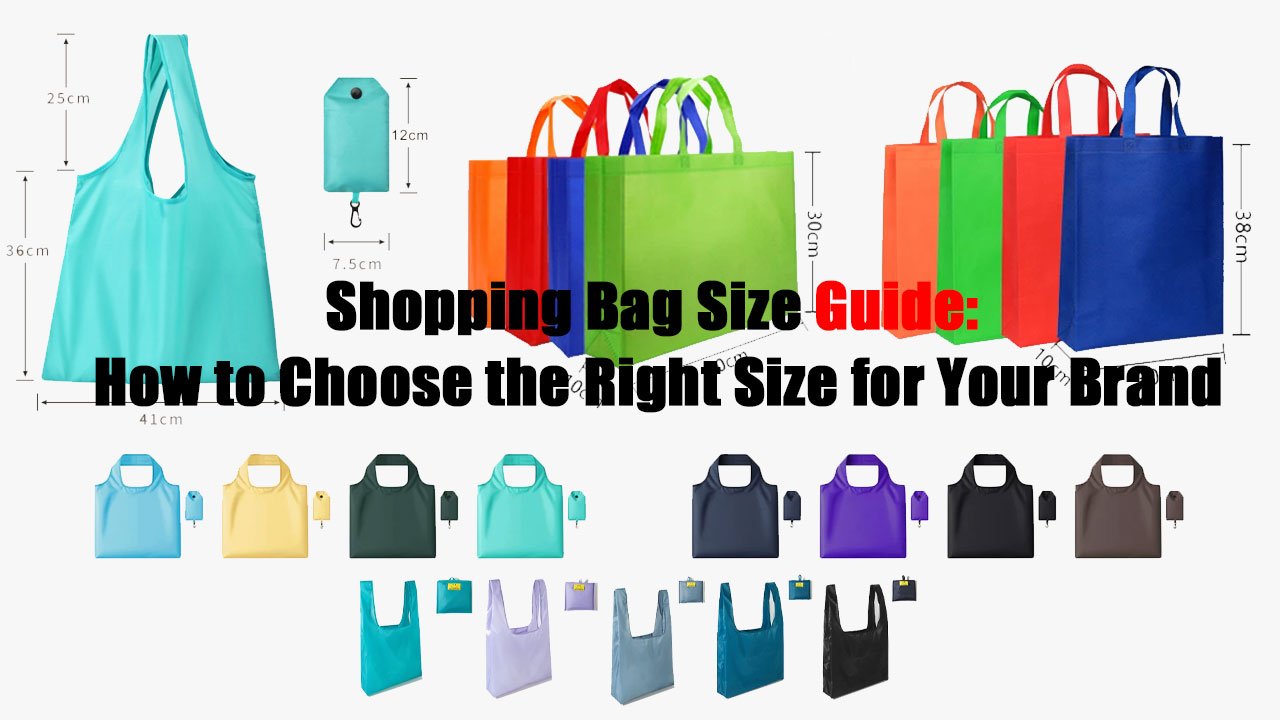
When sourcing shopping bags for your retail stores, restaurants, and farmers’ markets, are you constantly drawn to their diverse shapes, materials, and appearances? However, in addition to these factors, the size of the shopping bags is equally important; An inappropriate size can directly result in your customers being unable to carry their purchases properly after shopping—or even cause products to bump into each other and get damaged during transport—ultimately leading to a loss of trust in your brand and creating a negative impact! Therefore, choosing the right and appropriate shopping bag size is crucial for your brand’s business growth. In this article, I’ll recommend sizes suitable for your project, teach you how to measure them, and explain the compatibility between size and weight capacity to help you make the right choices for your brand image when customizing or purchasing in bulk.
(At the end of this article, you can request a free physical sample of a shopping bag based on your project needs to help you learn how to take measurements.)
Quick Takeaway: Choose the Right Shopping Bag Size Based on the Project Type
Before you start reading, I’ve put together a reference table to help you choose the right shopping bag size. It covers usage scenarios, shopping bag sizes, capacity, and items that fit, to help you make a quick decision:
| Usage Scenario | Width × Height × Side Gusset (cm) | Reference Capacity | Items to Hold |
| Beauty & Jewelry Boutique | 20 × 25 × 8 | 3‑4L | Cosmetic gift boxes, jewelry, small beauty kits |
| Bakery Shop | 22 × 28 × 10 | 4‑6L | Toast, bread, pastries, desserts |
| Clothing Store (Single Garment) | 30 × 40 × 12 | 10‑13L | T‑shirts, blouses, dresses, trousers |
| Clothing Store (Thick Outerwear / Suits) | 40 × 45 × 15 | 18‑22L | Hoodies, overcoats, business suits, multiple garments |
| Book & Stationery Store | 32 × 42 ×10 | 12‑15L | A4‑size books, notebooks, folders |
| Trade Show / Brand Gift Event | 25 ×32 ×10 | 6‑8L | Brochures, brand merchandise, samples, small giveaways |
| Farmer’s Market (Small Produce) | 35 ×40 ×15 | 16‑20L | Fruits, vegetables, loose fresh groceries |
| General Supermarket Shopping | 40 ×45 ×18 | 22‑28L | Canned goods, daily supplies, assorted bulk items |
Note: To ensure accuracy, please measure your products as much as possible before placing a wholesale custom order. If you have a large number of products, you can categorize them by size range and select the corresponding shopping bag size when placing your final wholesale custom order.
Why the Size of Your Shopping Bags Matters for Your Business
If your brand’s shopping bags are too small, customers will have to carry multiple bags at once when they finish shopping; if they’re too large, they’ll have too much empty space, making them bulky and cumbersome to carry while walking. Therefore, the right shopping bag size not only reinforces your brand image after customers finish shopping but also directly helps control costs and maintain operational efficiency:
- Protect Your Products During Transport: A properly sized shopping bag prevents your branded products from being crushed or deformed inside and stops the bag’s seams from tearing due to overloading caused by an ill-fitting size. It also limits excessive movement of items within the bag, reducing the risk of bumps and knocks.
- Customer shopping experience: A properly sized shopping bag allows for smooth storage and retrieval of items and distributes the weight of the contents evenly, avoiding the unpleasant experience of the bag feeling too tight and difficult to pack when lifted, or of a bag that’s too large, causing it to sway and become cumbersome.
- Procurement and Operating Cost Control: Oversized shopping bags require more material during production, driving up the unit procurement cost; undersized bags, on the other hand, diminish the customer shopping experience and necessitate a second round of customization for bag size, thereby increasing expenses.
- Brand Reputation and Visibility: A properly sized shopping bag ensures your brand logo isn’t cut off during printing (although the logo size can be adjusted, no one wants only a small portion of their logo to be visible) and provides consistent, attractive brand visibility as customers carry their purchases home.
- Avoiding Regional Regulatory Risks: Some regional markets impose mandatory restrictions on the size and thickness of shopping bags; selecting the wrong type may result in your purchased shopping bags being held up at customs. Take France as an example: for retail single-use lightweight plastic shopping bags, a minimum thickness of 50 μm is required, and single-use plastic bags thinner than 50 μm are prohibited from being placed on the market; therefore, ensuring compliance with these specifications can prevent delays in your project’s implementation.
Choosing the right size for your shopping bags not only enhances your customers’ shopping experience but also directly shapes your brand image and reduces procurement costs.
An Analysis of Standard Shopping Bag Sizes
When choosing a shopping bag size for your project, you can simply choose from small, medium, large, and extra-large sizes:
Size and Model:
Small shopping bag:
Dimensions: 20–25 cm × 20–25 cm × 8–10 cm | 7.9–9.8“ × 7.9–9.8” × 3.1–3.9″ (Width × Height × Gusseted Bottom)
Capacity: 3–5 L
Usage Scenarios: Cosmetics and jewelry stores, small gifts, small accessories, small quantities of pastries
Advantages: Low procurement cost; compact size makes it easy for customers to carry; logo printing results in a concentrated, eye-catching design
Disadvantages: Limited carrying capacity; cannot accommodate large items; multiple items require multiple bags
The beauty brand Sephora commonly uses small shopping bags measuring 21 cm × 23 cm × 8 cm | 8.3“ × 9.1” × 3.1″ for customers to store small beauty accessories such as lipstick, foundation, and jewelry.
Medium shopping bag:
Size Range: 28–32 cm × 38–42 cm × 10–14 cm | 11.0–12.6“ × 15.0–16.5” × 3.9–5.5″ (Width × Height × Accordion Bottom)
Capacity: 9–15 L
Usage Scenarios: Single-item ready-to-wear garments in clothing stores, stationery in bookstores, bakeries, and gift bags at trade shows
Advantages: Balances portability and carrying capacity, suitable for the vast majority of standard retail orders
Disadvantages: Insufficient space for storing thick coats or multiple stacked garments
The clothing brand H&M commonly uses medium-sized shopping bags measuring 30 cm × 40 cm × 12 cm | 11.8“ × 15.7” × 4.7″ for customers to carry T-shirts, shirts, and dresses.
Large shopping bag:
Dimensions: 38–42 cm × 43–47 cm × 15–20 cm | 15.0–16.5“ × 16.9–18.5” × 5.9–7.9″ (Width × Height × Accordion Bottom)
Capacity: 20–30 L
Usage Scenarios: Groceries from supermarkets, multiple sets of clothing, thick coats, fresh produce from farmers’ markets
Advantages: Ample capacity to hold a variety of items, reducing the need for multiple bags
Disadvantages: Higher per-unit cost; appears bulky when carrying only a few items
Walmart, a retail chain, commonly uses large shopping bags measuring 40 cm × 45 cm × 18 cm | 15.7“ × 17.7” × 7.1″ for customers to carry daily necessities, clothing, and fresh groceries.
Extra-large shopping bag:
Dimensions: 43–48 cm × 52–58 cm × 18–22 cm | 16.9–18.9“ × 20.5–22.8” × 7.1–8.7″ (Width × Height × Accordion Bottom)
Capacity: 32–45 L
Usage Scenarios: Large home textiles, thick down jackets, bulk purchases of fresh produce
Advantages: Extra-large capacity, suitable for bulky items and bulk goods
Disadvantages: Bulky, making it difficult for customers to carry; high material costs
IKEA Home Furnishings Store: Commonly used extra-large shopping bag measuring 45 cm × 45 cm × 18 cm | 17.8“ × 17.8” × 7.1″ for customers to carry home textiles, throw pillows, and large home furnishings purchases.
Shopping Bag Size Comparison
| Bag Size | Dimension Range | Reference Capacity | Primary Suitable Items |
| Small | 20‑25 × 20‑25 × 8‑10 cm7.9‑9.8″ ×7.9‑9.8″ ×3.1‑3.9″ | 3‑5L | Lipsticks, jewelry, small accessories, pastries |
| Medium | 28‑32 × 38‑42 × 10‑14 cm11.0‑12.6″×15.0‑16.5″ ×3.9‑5.5″ | 9‑15L | Single T‑shirt, dresses, books, trade‑show giveaways |
| Large | 38‑42 × 43‑47 × 15‑20 cm15.0‑16.5″×16.9‑18.5″ ×5.9‑7.9″ | 20‑30L | Multiple garments, outerwear, daily necessities, fresh groceries |
| Extra‑Large | 43‑48 × 52‑58 × 18‑22 cm16.9‑18.9″×20.5‑22.8″ ×7.1‑8.7″ | 32‑45L | Home textiles, throw pillows, down jackets, bulk‑purchase goods |
Note: Actual usable dimensions may vary depending on the material. Plastic shopping bags are heat-sealed, so the bag opening and sealed edges take up some of the usable interior space, resulting in a slightly smaller actual usable space than the stated dimensions. Reusable food bags, on the other hand, must also meet food contact safety standards and accommodate storage and folding requirements, so the standard sizing system for ordinary retail shopping bags cannot be directly applied to them.
How to Measure:
Before measuring, empty the shopping bag completely, lay it flat on a table, and measure it with a flexible tape measure (since the bag is curved, using a rigid ruler will result in inaccuracies).
Step 1: Measure the width
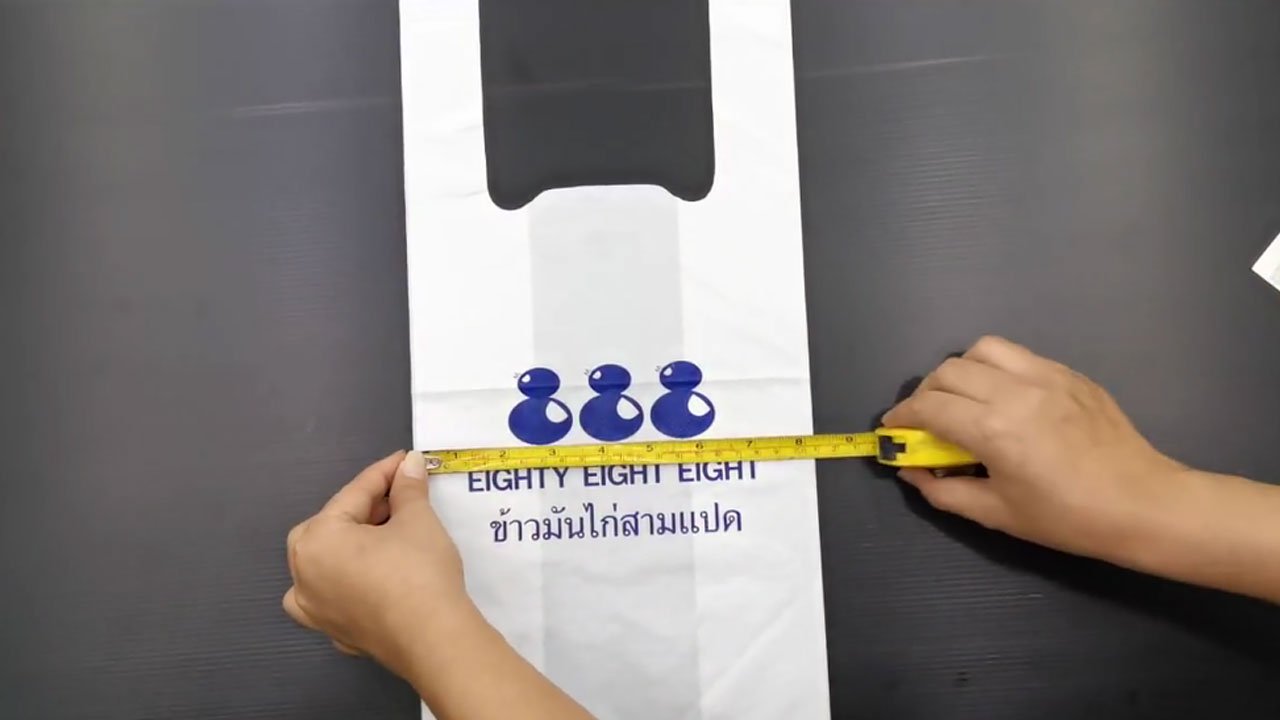
Hold your flexible tape measure horizontally and measure the distance between the fabric edges of the left and right sides of the shopping bag (when measuring, measure only the main body of the bag where items are placed; exclude the carrying straps and fabric handles). Then record the measurement in centimeters or inches.
For example: A medium-sized shopping bag was measured to have a distance of 30 cm (11.8″) between its left and right sides, meaning the bag is 30 cm wide.
Step 2: Measure the height
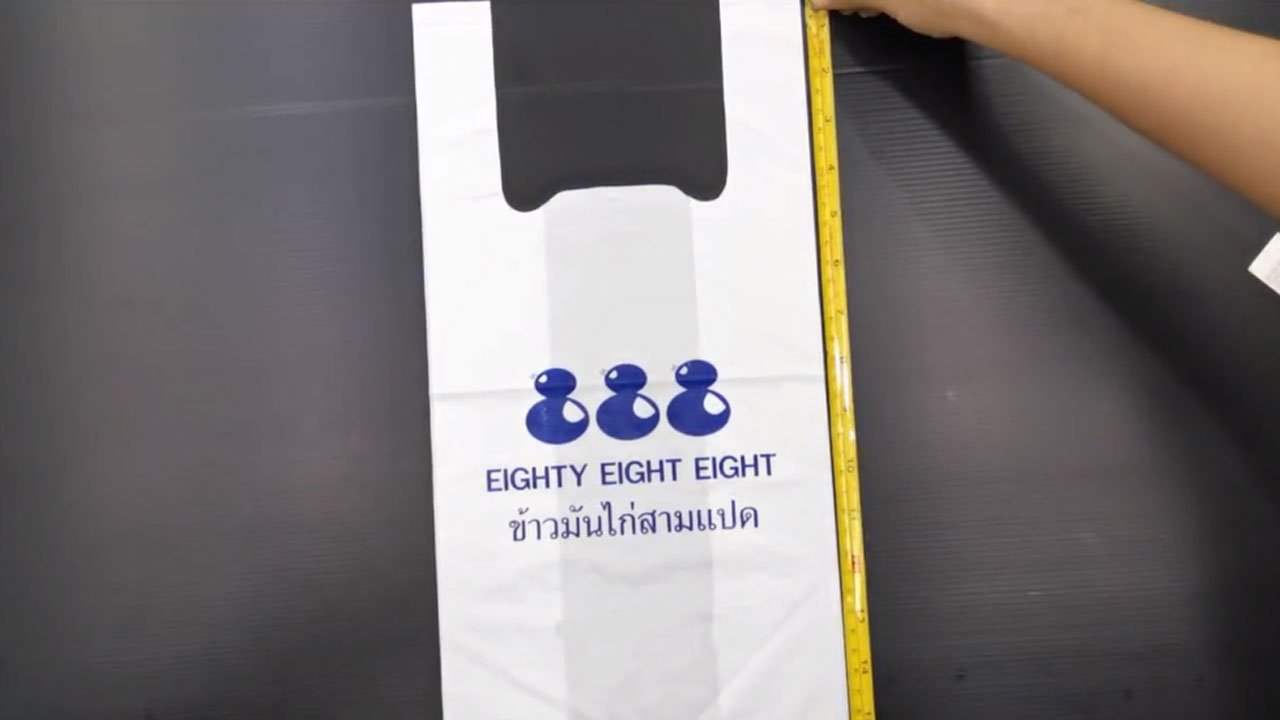
Similar to measuring the width, hold the measuring tape vertically, place the starting point at the bottom edge of the fabric at the bag opening (the length of the handles is not included in the bag’s height, so measure just below where the handles are attached), and measure vertically downward to the fabric hem at the very bottom of the bag.
For example: Measure vertically from the bottom edge of the bag opening to the bottom hem; if the measurement is 40 cm (15.7″), the height of the bag body is 40 cm. The 22 cm handle should be recorded separately and not included in the height measurement.
Step 3: Measure the bottom of the accordion
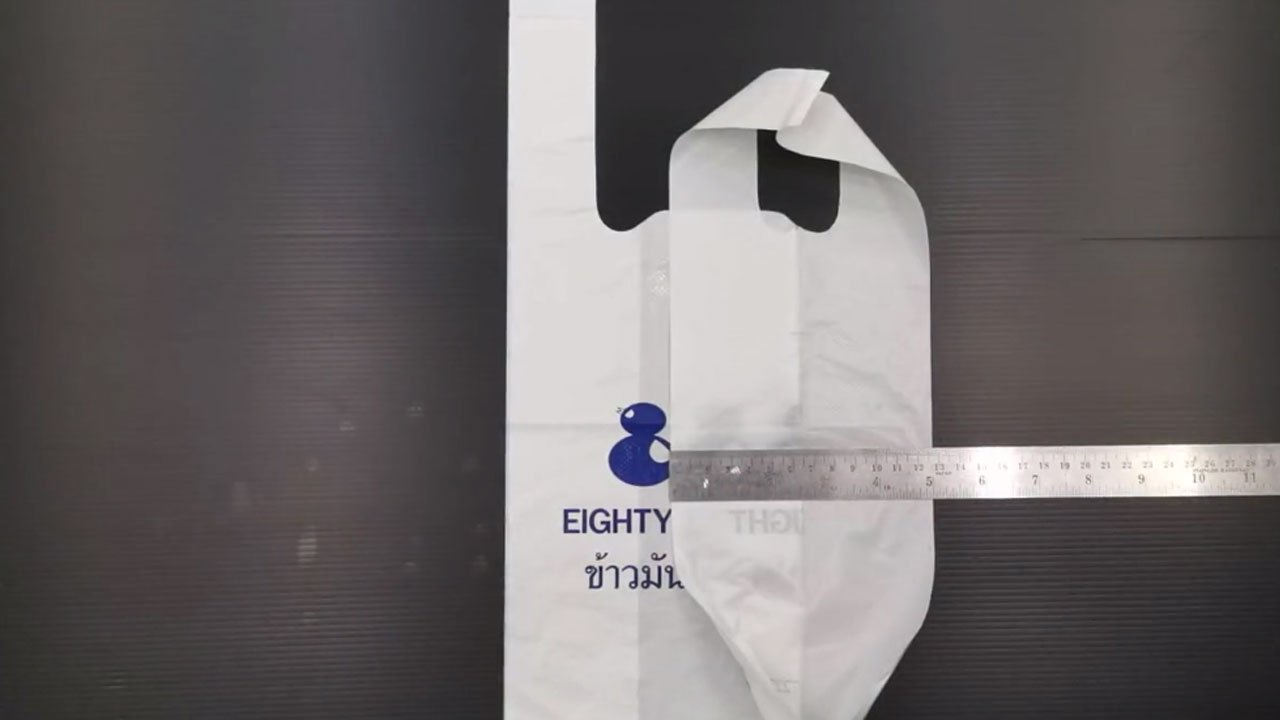
This step is a little more complicated. First, fully expand the accordion pleats on both sides of the bag so that it takes on a plump, three-dimensional shape. Do not fold it back inward (if you fold it flat to measure, the result will be only half the actual measurement). Then, using a flexible tape measure, measure the total thickness of the bag horizontally from the far left expanded point to the far right expanded point—this is the total dimension of the accordion pleat base.
For example: A measurement of 12 cm indicates that the combined thickness of the accordion folds on both sides is 12 cm.
Note: For heat-sealed plastic bags, the heat-sealed edges take up space, so the internal dimensions are 1–3 cm smaller than the external dimensions; in contrast, the difference between the internal and external dimensions of canvas and polyester stitched bags is very small. You can now take various shopping bags you have on hand and measure them to test this—the differences will be clearly evident.
Shopping bag size, material, and weight capacity compatibility
When ordering custom shopping bags in bulk for a project, the right dimensions merely ensure that the bag can hold your brand’s products—they do not guarantee its practical usability. If the bag lacks sufficient load-bearing capacity, it may tear the moment it’s lifted, causing the contents to spill all over the floor (which is a disaster). Therefore, when customizing shopping bags, in addition to ensuring the dimensions are correct, you must also consider details such as the materials used, the method of attaching the handles, and the stitching techniques.
Feeling a little dizzy already? I’ll break it down with structured details (using the most common medium-sized shopping bag as an example for load-bearing capacity: 28–32 cm × 38–42 cm × 10–14 cm | 11.0–12.6“ × 15.0–16.5” × 3.9–5.5″) so you can understand it at a glance:
HDPE / LDPE shopping bag
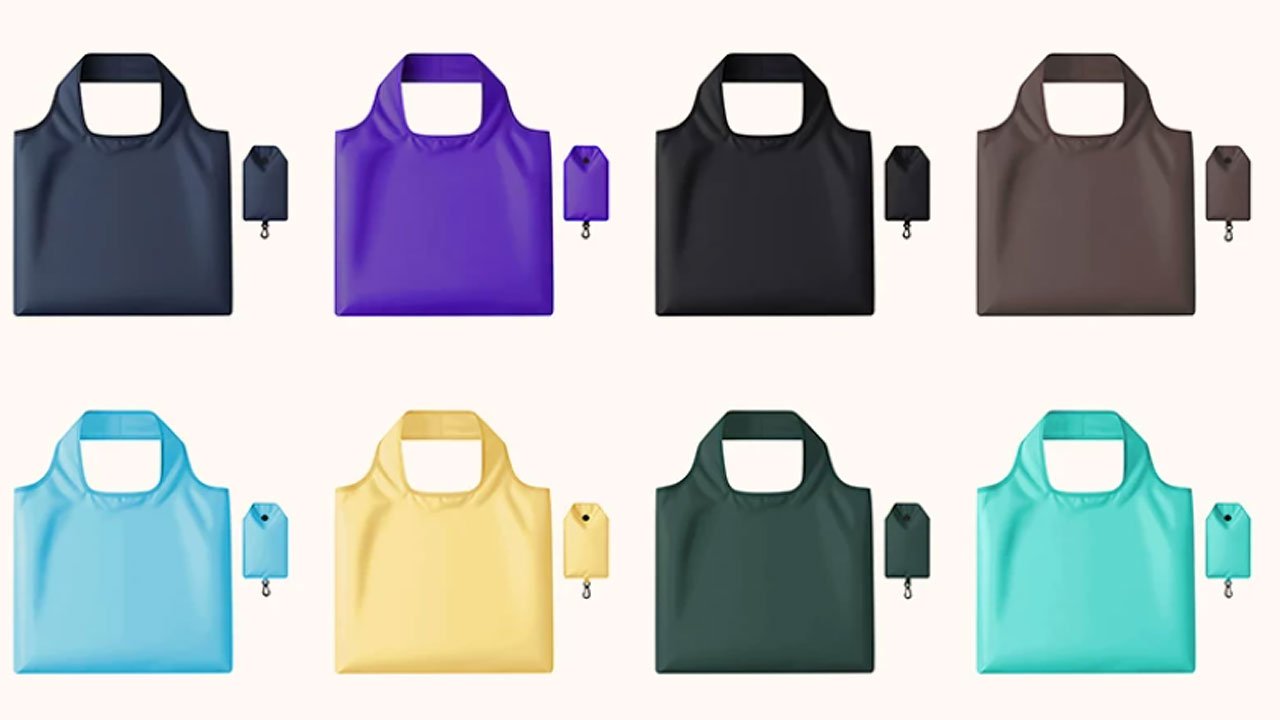
Usage Scenarios: One-time shopping at supermarkets and grocery stores; short-term retail packaging; promotional gift packaging
Load-bearing Capacity: Standard-thickness HDPE (12–18 μm) medium-sized bags have a static load capacity of 5–8 kg; LDPE offers better toughness, with a static load capacity of up to 7–10 kg for bags of the same size; however, the heat-sealed handle area is the weakest point in terms of load-bearing capacity
Service Life: Single-use or reusable a few times (typically less than 10 times)
HDPE (12–18 μm) F50 drop weight impact: 120–180 g (ASTM D1709 Method A); the film is stiff and prone to brittle fracture at low temperatures
LDPE (12–18 μm) Falling-Dart Impact F50: 200–280 g (ASTM D1709 Method A); it has better toughness than HDPE
Note:The EU and French markets require single-use plastic bags to be ≥50 μm thick; thin HDPE bags are not suitable for sharp or heavy items; the heat-sealed handle area cannot withstand impact, so choose thickened LDPE bags for heavy items.
Non‑woven shopping bag
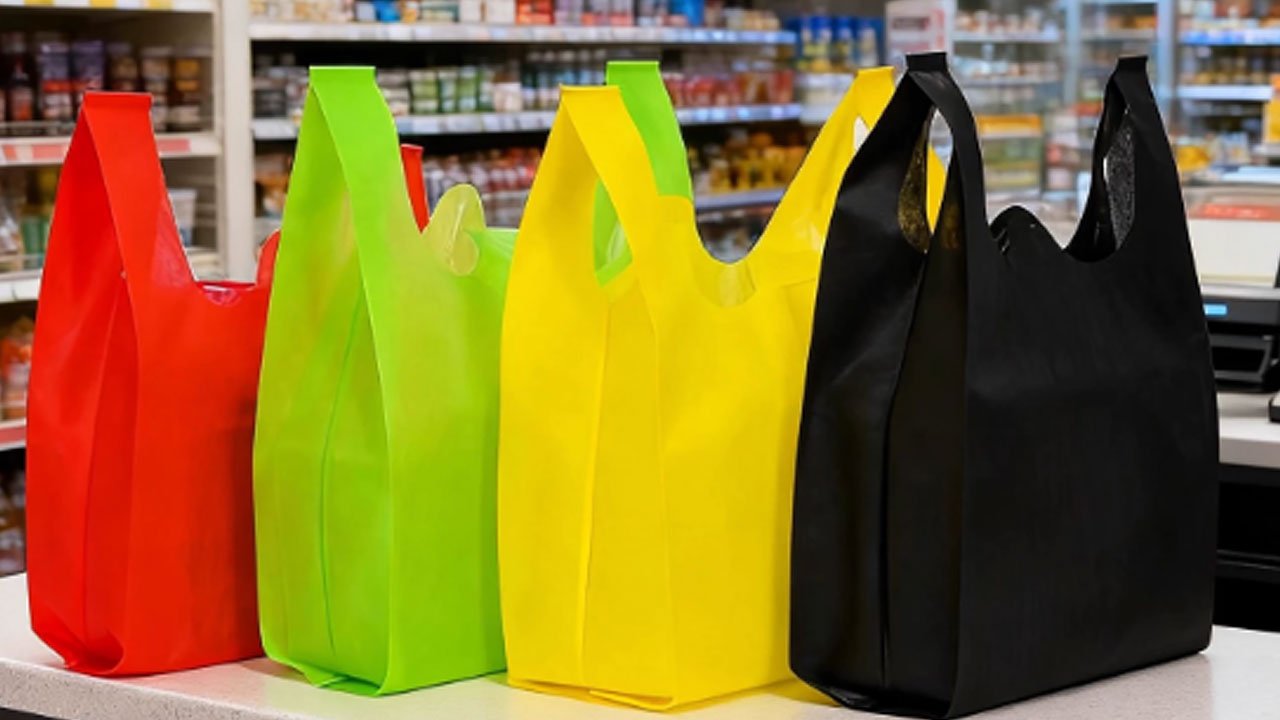
Usage Scenarios: Brand promotional gifts, reusable shopping bags for supermarkets and retail stores, trade show giveaways
Load-bearing Capacity: Standard medium-sized non-woven shopping bags (80–100 g/m²) have a static load-bearing capacity of 6–10 kg; bags made using ultrasonic bonding are less durable than those reinforced with stitching
Service Life: Can be reused dozens of times; Martindale abrasion resistance: 4,000–7,000 cycles; prone to snagging and tearing by sharp objects
Note:If you want your project clients to have a better user experience, we recommend choosing the stitched-reinforced handle construction, as it offers greater overall strength than ultrasonically bonded shopping bags.
Cotton shopping bag
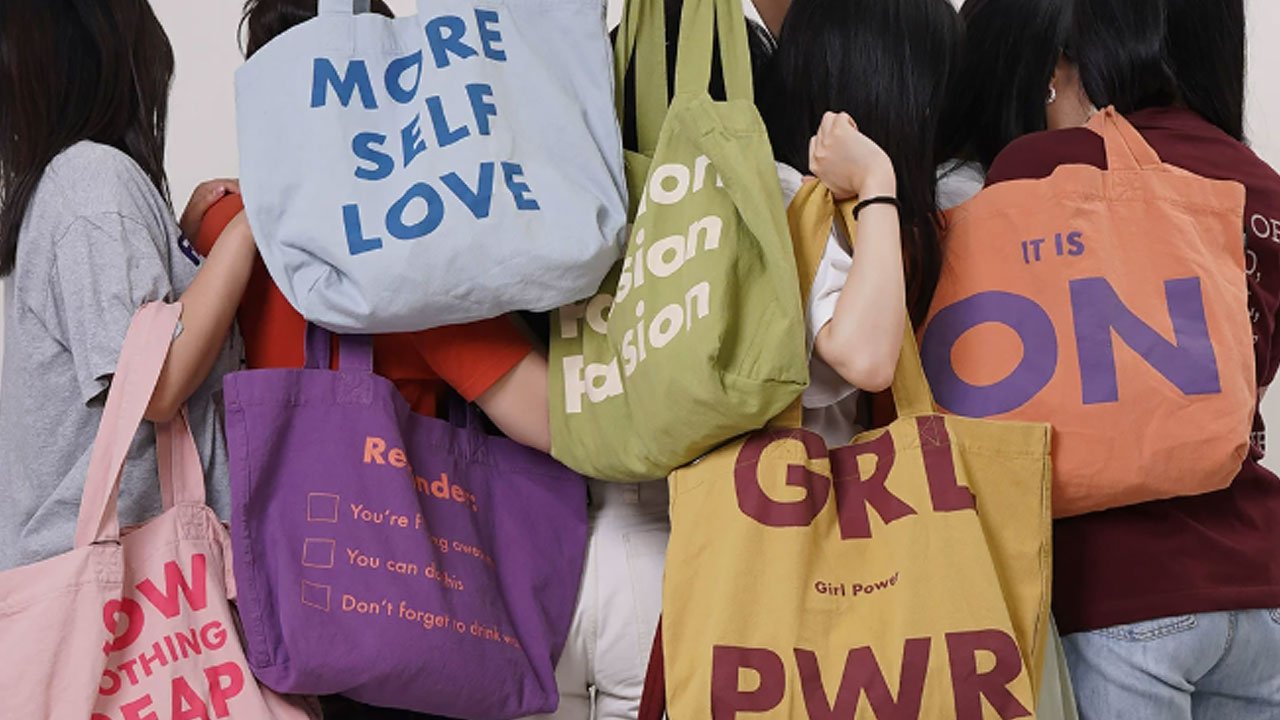
Usage Scenarios: Boutique retail stores, cultural and creative brands, apparel stores, and gifts for eco-friendly themed events
Load Capacity: 140–160 g/m² medium-sized all-cotton shopping bag; with reinforced sewn handles, it has a static load capacity of 7–11 kg
Lifespan: Hundreds of uses; 7,000–11,000 Martindale abrasion cycles, but cotton tends to wrinkle easily when wet
Note:After being reinforced with stitching, a 100% cotton shopping bag can have its weight-bearing capacity increased to 12–15 kg.
Canvas shopping bag
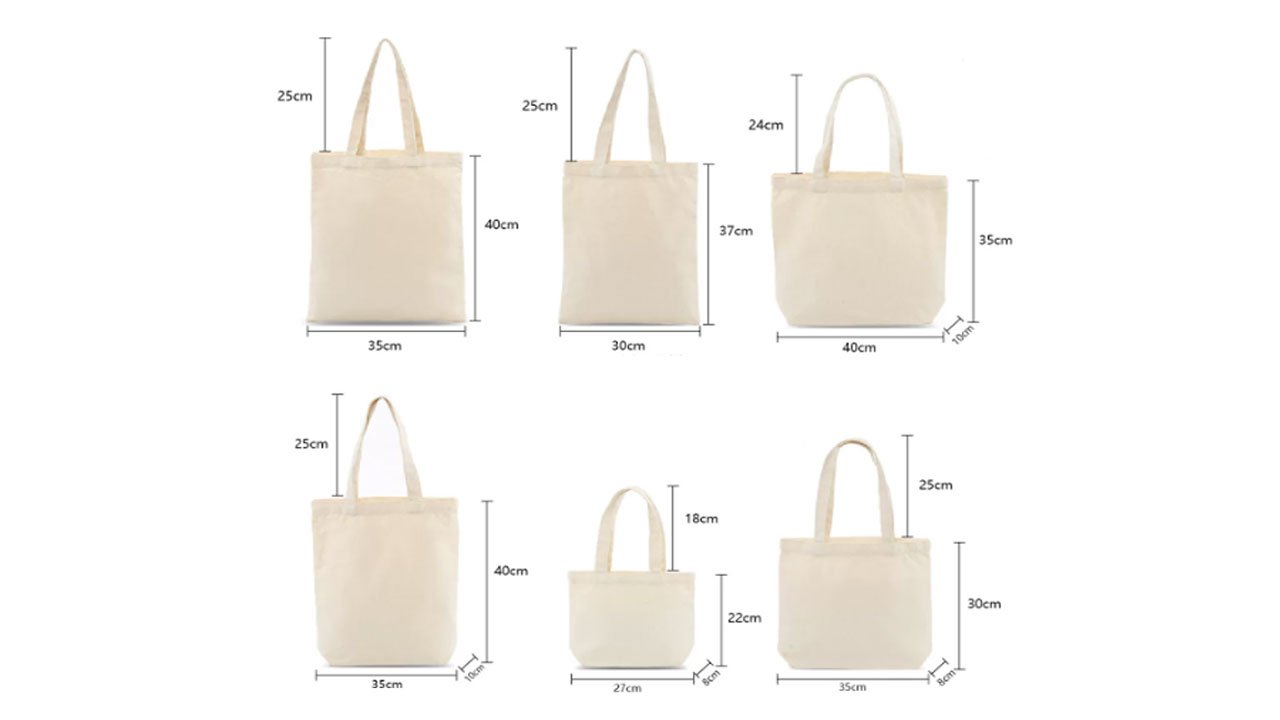
Usage Scenarios: High-end retail stores, cultural and creative brands, apparel stores, shopping bags for long-term, repeated use
Load Capacity: Medium-sized 10-ounce canvas shopping bag, reinforced with stitching; static load capacity: 10–15 kg
Service Life: Hundreds to thousands of uses; 10,000–16,000 Martindale abrasion cycles; strength decreases slightly when wet
Note:The straps on canvas shopping bags are prone to mold and breakage in humid conditions, so avoid carrying heavy items for long periods in such environments to prevent the stitching from coming apart.
Polyester shopping bag
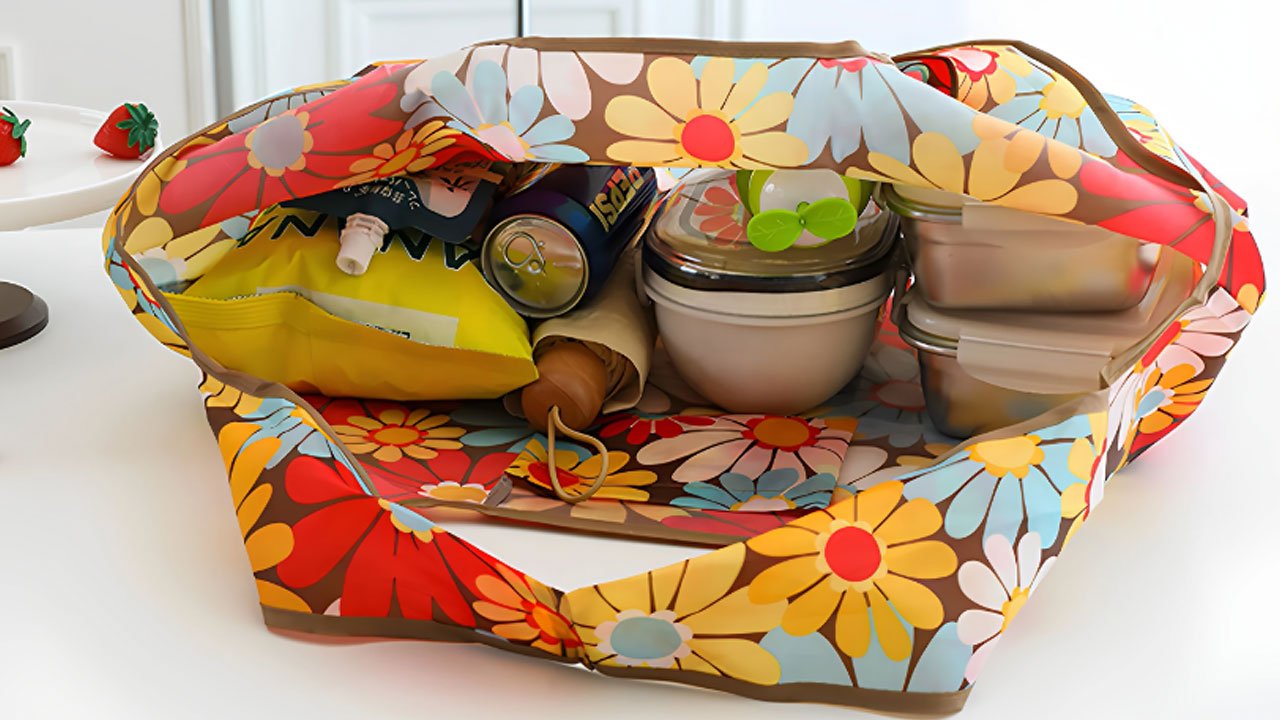
Usage Scenarios: Daily grocery shopping and packaging at supermarkets; reusable shopping bags at farmers’ markets; branded foldable and portable promotional items; lightweight gift bags for trade shows
Load Capacity: Standard 210D polyester medium-sized bag with stitched, reinforced handles; static load capacity of 5–8 kg
Lifespan: Hundreds of reuses; 8,000–12,000 Martindale abrasion cycles; water- and moisture-resistant, wrinkle-resistant, and more resistant to snagging than non-woven fabric
Note:Damage to polyester shopping bags most often occurs at the seams of the handles; using a reinforcement technique involving stitching can further increase their load-bearing capacity by approximately 30%.
Nylon shopping bag
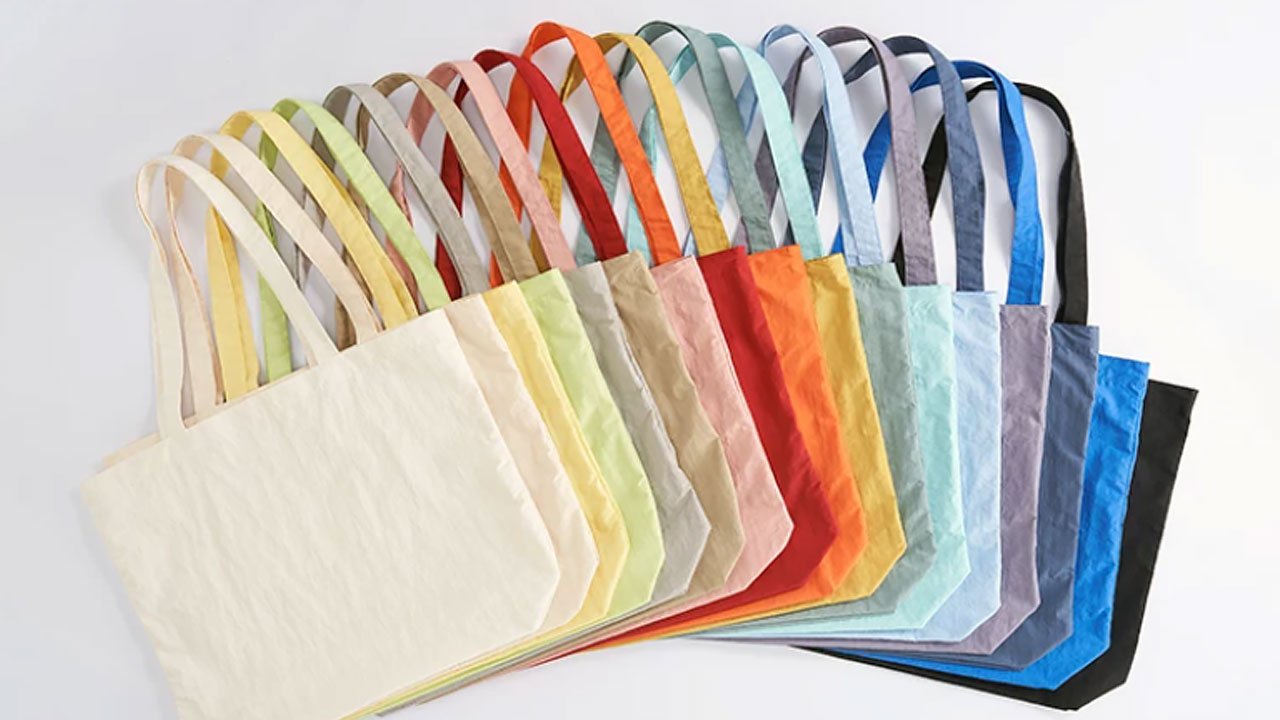
Applications: Outdoor retail, sports merchandise, heavy-duty reusable shopping bags
Load Capacity: 420D nylon medium-sized shopping bag with stitched, reinforced handles; static load capacity: 14–20 kg
Service Life: Hundreds to thousands of uses; Martindale abrasion resistance: 18,000–24,000 cycles; outstanding tear resistance with virtually no loss of strength when wet
Note:Nylon has better tear resistance than polyester of the same denier; however, it gradually degrades when exposed to prolonged UV radiation, and its purchase cost is higher than that of polyester fabric.
Kraft Paper shopping bag
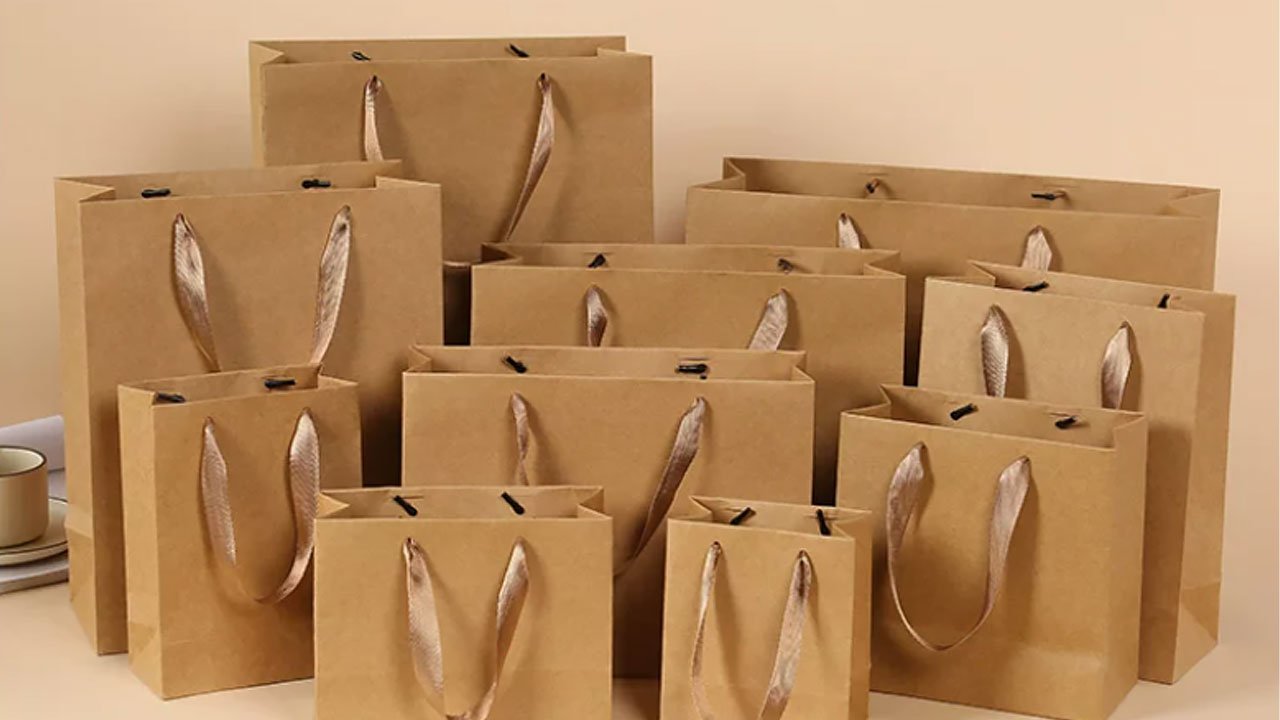
Usage Scenarios: Bakeries, specialty retail, holiday gift wrapping
Load Capacity: Medium-sized kraft paper bags with a weight capacity of 120–150 g/m², featuring twisted-cord paper handles; static load capacity of 4–7 kg
Lifespan: Single-use or up to 5 reuses; fibers soften and tear rapidly when exposed to water
Note:The European Union (REACH/94/62/EC) and the United States (FDA/CONEG) impose strict environmental and safety restrictions on food-grade and retail kraft paper bags, requiring that the total content of heavy metals such as lead, cadmium, and mercury not exceed 100 ppm, and that paper in direct contact with food must not contain any detectable levels of migratable fluorescent whitening agents (FWAs).
Jute shopping bag
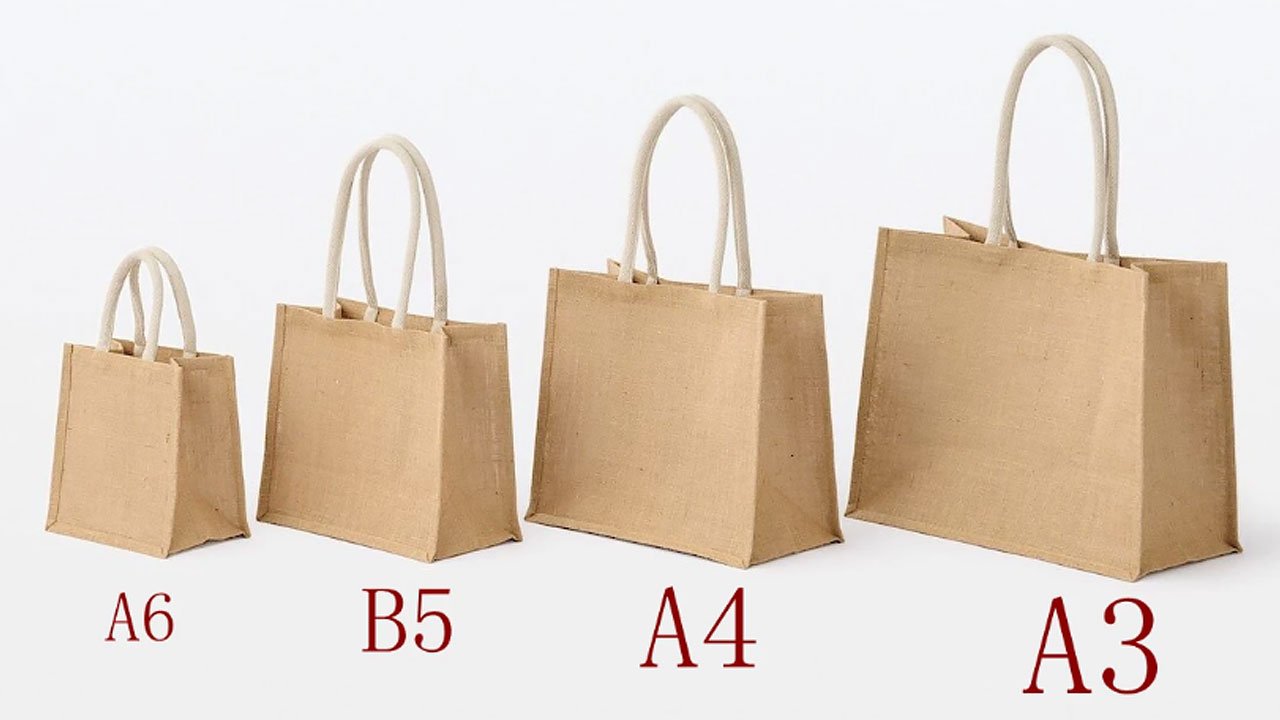
Usage Scenarios: Farmers’ markets, eco-friendly brands, promotional gifts, cultural and creative stores
Load Capacity: Standard medium-sized jute shopping bags (320–380 g/m²), reinforced with stitching; static load capacity: 11–16 kg
Lifespan: Hundreds of uses; 9,000–14,000 Martindale abrasion cycles; however, tends to shed fibers and loses strength in humid environments
Note:Jute has a rough surface and is not suitable for directly packaging delicate products that are prone to scratches. Lining the inner walls with a PE waterproof film can prevent lint from falling off, protect the contents, and provide waterproofing, moisture resistance, and shape retention.
Summary of Differences in Shopping Bags
| Material | Static Load Capacity (Medium‑size: 28‑32×38‑42×10‑14 cm) | Application Scenarios | Advantages |
| HDPE/LDPE Plastic Film | 5‑10kg | One‑time shopping for supermarkets & general stores, promotional giveaways | Low‑cost, lightweight, excellent printing performance |
| 80‑100g/m² Non‑woven Fabric | 6‑10kg | Promotional gifts, trade‑show freebies, reusable retail bags | Moderate price, printable, light‑weight |
| 140‑160g/m² Pure Cotton | 7‑11 kg (12‑15 kg with reinforced stitching) | Premium retail, cultural‑creative goods, eco‑friendly campaign gifts | Soft hand‑feel, great printing effect, biodegradable |
| 10oz Canvas | 10‑15kg | Boutiques, cultural‑creative goods, long‑term repeated use | Wear‑resistant, stiff shape, premium texture |
| 210D Polyester | 5‑8kg | Farmer’s markets, foldable portable giveaways, trade‑show gifts | Moisture‑proof & water‑repellent, wrinkle‑resistant, durable |
| 420D Nylon | 14‑20kg | Outdoor gear, sports merchandise, heavy‑load applications | High abrasion‑resistance, tear‑resistant, stable strength when wet |
| 120‑150g/m² Kraft Paper | 4‑7kg | Bakeries, premium retail, holiday gift packaging | Degradable, upscale appearance, good shape‑retention |
| 320‑380g/m² Jute | 11‑16kg | Farmer’s markets, eco‑brands, cultural‑creative boutiques | Strong load‑bearing, naturally biodegradable, vintage texture |
When sourcing for your business project, there can be significant differences between shopping bag types made from different materials—even if they are exactly the same size. If your primary use is for single-use applications, prioritize plastic and kraft paper materials; however, nylon shopping bags perform better when handling heavy loads (although they may be slightly more expensive, they are worth the investment for your brand value). Next, I’ll show you how to choose the right shopping bag size based on your project’s usage scenario.
Find the right shopping bag size for your project
The analysis of the load-bearing capacity and service life of the various shopping bag materials mentioned above is based on medium-sized shopping bags. I will now recommend the appropriate shopping bag size for your project based on its intended use:
Clothing Retail Store
Intended Use: For storing T-shirts, hoodies, dresses, jackets, and small accessories such as socks, underwear, and ties when checking out and packing items at a store
Available Sizes: Mini 22 cm (8.7“) × 26 cm (10.2”) × 8 cm (3.1″) + Regular 35 cm (13.8“) × 40 cm (15.7”) × 12 cm (4.7“) + Extra-Large: 40 cm (15.7”) × 45 cm (17.7“) × 15 cm (5.9”) (for coats / thick outerwear)
Notes: Clothing stores typically stock all three types of shopping bags. For the mini and standard sizes, prioritize vertical designs, while for the extra-large size, horizontal designs are recommended, as the wider opening makes it easier to retrieve and store coats.
Bread Bakery
Intended Use: For packaging toast, cakes, and desserts; designed to prevent pastries from being crushed or deformed
Available Sizes: Standard: 22 cm (8.7“) × 28 cm (11.0”) × 8 cm (3.1“); Mini: 18 cm (7.1”) × 22 cm (8.7“) × 7 cm (2.8”) (for pastries)
Important Note: Paper materials containing migratable fluorescent whitening agents must not be used in food contact applications
Farmers’ Market
Intended Use: For transporting fruits, vegetables, and loose fresh produce; designed to handle large volumes and prevent moisture from fruits and vegetables from seeping through
Available Sizes: Standard 40 cm (15.7“) × 45 cm (17.7”) × 18 cm (7.1″); Large Capacity Model: 45 cm (17.7“) × 50 cm (19.7”) × 20 cm (7.9″)
Important Note: For bags made of the same material, the safe weight capacity decreases with larger sizes; therefore, shopping bags must be reinforced with stitching to enhance stability during use
Bookstores and Stationery Stores
Intended Use: To store A4-sized books, notebooks, and folders; and to protect the corners of books from bending while on the go
Suitable Sizes: Standard 30 cm (11.8“) × 38 cm (15.0”) × 10 cm (3.9″); Large: 35 cm (13.8“) × 42 cm (16.5”) × 12 cm (4.7″) (Thick Book Set)
Notes: Prioritize portrait orientation, and ensure the bottom is not too shallow to prevent books from tipping out while carrying
Sports Store
Usage Requirements: For storing jerseys, cleats, and protective gear; can occasionally hold small balls; requires a high load-bearing capacity
Available Sizes: Standard 40 cm (15.7“) × 48 cm (18.9”) × 16 cm (6.3″); Extra-Large: 45 cm (17.7“) × 55 cm (21.7”) × 20 cm (7.9″)
Notes: Do not rely solely on fabric thickness to increase load-bearing capacity; reinforcement with reinforced stitching at the handles is required
Brand Gift Campaign
Intended Use: For distributing giveaways at trade shows and events; bulk distribution; designed to hold lightweight gifts
Available Sizes: Standard: 28 cm (11.0“) × 32 cm (12.6”) × 10 cm (3.9“); Mini: 20 cm (7.9”) × 25 cm (9.8“) × 7 cm (2.8”) (for small giveaways)
Notes: Pay close attention to the logo print quality; do not use the mini version to carry heavy items
How to Choose the Right Shopping Bag Size for Your Brand
If I haven’t mentioned the industry your project is in among the points above, I’ll now show you how to choose the right shopping bag size—a method that works for virtually any industry:
Check the dimensions of your product
Before selecting a shopping bag size for your product, first measure the product’s dimensions (for clothing, typically measure the folded dimensions). Then, based on those dimensions, allow for an extra 5%–10% of space in both width and height to ensure smooth packaging and prevent damage to the product or the shopping bag during storage or handling.
In retail settings, it is common to have at least two sizes of shopping bags available—small and medium—so that you can flexibly offer the appropriate size to customers after they finish shopping.
Verify that the shopping bag structure is compatible
After determining the shopping bag size by accounting for the product dimensions and allowing for some clearance, you should also measure the product’s weight and select the shopping bag material based on its weight capacity. This helps prevent the shopping bag from tearing due to insufficient weight capacity after the customer has finished shopping, which could cause the purchased items to spill onto the floor.
Note: As with dimensions, allow for a margin of error when determining load-bearing capacity. A safety factor of 15%–20% is typically applied to load-bearing capacity.
Enter the logo dimensions to verify
No one wants their brand logo to appear too small when printed. Before selecting a size, you can test the dimensions of your brand logo (you can ask the shopping bag supplier to provide a mockup and samples for physical inspection; or print out your brand logo and trace the outline of the shopping bag on a piece of paper to compare sizes).
Target Market Regulatory Review
After selecting the size and material, you must also check the relevant regulations in your project’s location. Some regions have strict requirements regarding the minimum thickness, dimensions, biodegradability, and chemical substance limits for shopping bags. Even if the size and weight capacity fully meet your project’s needs, failure to comply with local regulations can result in goods being held up during customs clearance, ultimately causing your project to come to a standstill.
For example:In the United Kingdom, a plastic bag tax applies to plastic shopping bags thinner than 70 μm, and these bags must also bear a compliance label.
Conclusion
When selecting a shopping bag of the right size, it’s not just about its appearance—you must also fully consider its dimensions, load-bearing capacity, durability, environmental friendliness, and local regulations. In short, a shopping bag that complies with regulations and is perfectly suited to your products—preferably reusable rather than disposable—will continue to boost your brand’s visibility as customers use it over time. I believe you now fully understand how to choose the most suitable shopping bag size for your business project. If you haven’t yet found an affordable, professional shopping bag manufacturer that offers free physical samples, please contact us immediately. Let’s work together to create shopping bags for your brand that are stylish, functional, and environmentally friendly.