Nylon vs. Polyester Bags: Which Is Better Suited for Your Project?
Note: This article was first published on 29 April 2026 and was updated on 22 July 2026 to include the audio podcast content.
Struggling to decide between nylon and polyester bags? Whether your business project involves customers commuting to work with their laptops or carrying heavy gear for weekend outdoor trips, choosing the wrong material can directly lead to fading, tearing, and poor durability—all of which can damage your brand’s reputation. This article will provide an in-depth analysis of nylon and polyester in terms of durability, protection, environmental impact, and cost, helping you select the right bag fabric based on your project’s specific needs.
Nylon vs. Nylon vs. Polyester Bags: Quick Takeaway
Before you read the main text, here’s a quick summary. Nylon is the ideal choice for making backpacks, tactical bags, and other items that require high strength and abrasion resistance. However, if your project prioritizes lightweight construction, complex color printing, or promotional bags for commercial events, polyester is the better option.
| Dimension | Nylon bag | Polyester bag |
| Applicable Scenarios | Hiking, camping, tactical training, long commutes | Lightweight daily commuting, business promotions |
| Cost | High costs of raw materials and processing | Low raw material costs |
| Compatible bag categories | Hiking backpacks, tactical backpacks, laptop bags for commuting, outdoor tote bags | Promotional tote bags, gift bags, lightweight carry-on bags, event promotional bags |
By now, you may already have a general idea of your options. Next, let’s take a closer look at the specifics of your bag project to ensure that the final material selection perfectly aligns with your design and budget.
Overview of Nylon and Polyester Bags
What is a nylon bag?
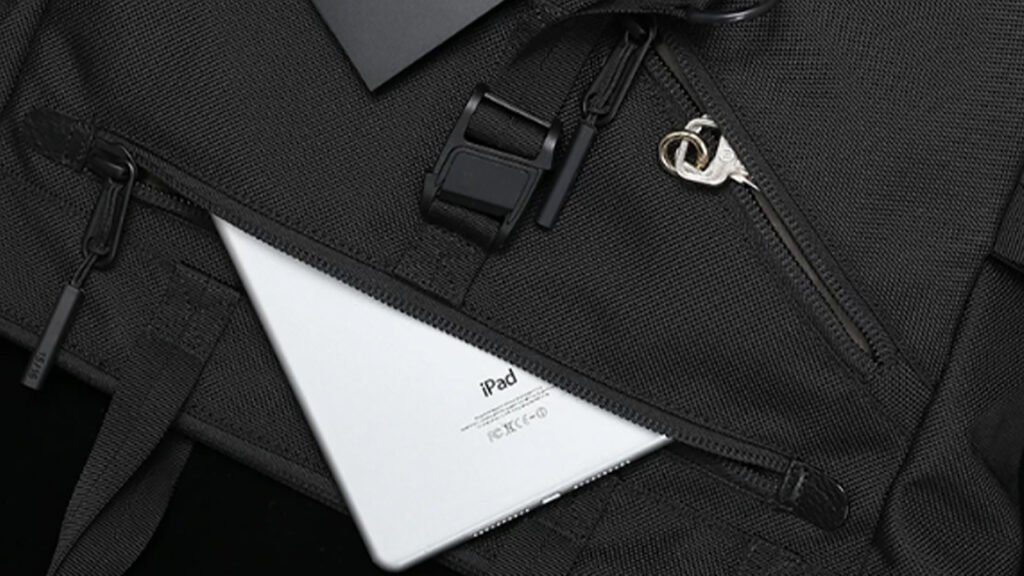
Nylon is the material of choice for durable and reliable products, and comes in a variety of types, including Cordura® (with added antimicrobial properties), ripstop nylon (enhanced tear resistance), and ballistic nylon (military-grade abrasion resistance). It is commonly used by brands across the outdoor, sports, and electronics industries to manufacture backpacks, camping gear, and carrying solutions for electronic devices. If your project requires high strength, abrasion resistance, and the ability to carry heavy loads, a nylon bag will be the ideal solution for your needs.
Note: For project applications, nylon with a denier rating of 500D or higher offers superior performance in terms of abrasion resistance, tensile strength, and water resistance.
What are polyester bags?
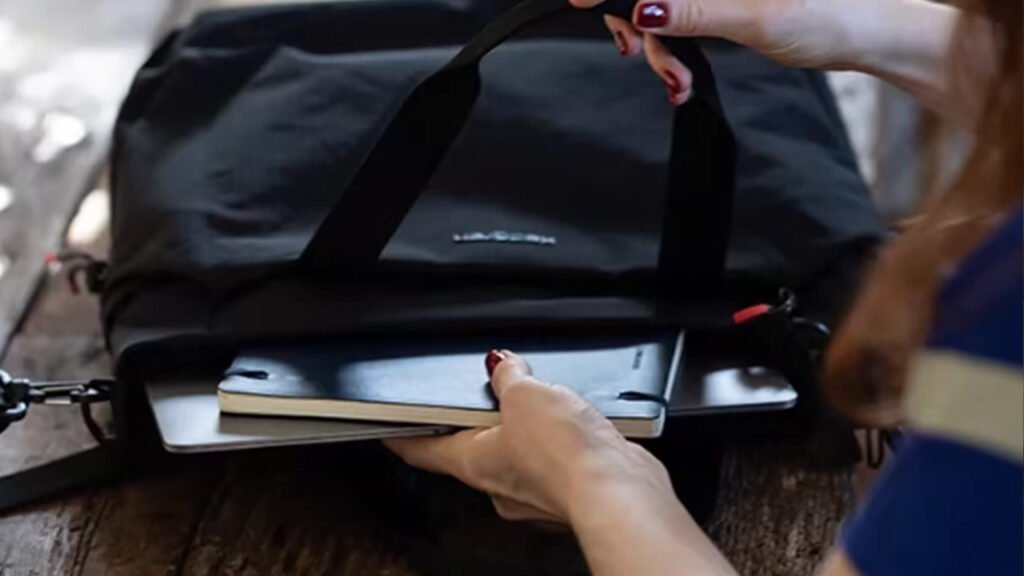
Polyester offers unmatched wrinkle resistance. Depending on your project’s priorities, you can choose from tear-resistant polyester (tear-resistant and durable), multi-yarn polyester (offering a wide variety of patterns and designs), and microfiber polyester (quick-drying and insulating). Thanks to polyester’s lightweight, water-resistant, and stain-resistant properties, it is frequently used by fashion brands, retail stores, and gyms to manufacture tote bags, gym bags, and travel bags. If your project requires a lightweight, stylish, and quick-drying solution, a polyester bag is the ideal choice.
Quick Overview of the Differences Between Nylon and Polyester Bags
Compare nylon bags and polyester bags. Nylon has a softer touch and stretch elasticity, while polyester bags, although with a relatively stiff touch, are less likely to wrinkle after being kneaded and can maintain their original three dimensional shape. Therefore, if your project’s customers often need to carry heavy loads when traveling, nylon bags, with their elasticity, are more durable. If they only carry light items for workday commuting, then polyester, which is brightly colored and can maintain its three dimensional shape for a long time, is more recommended. I’ve listed a table of the characteristics of the two materials to help you more clearly and intuitively compare the differences and simplify your choice.
| Features | Nylon bag | Polyester bag |
| Soft | Soft and smooth to the touch | Relatively stiff, with a crisp, structured feel |
| Flexibility | Good elasticity | Less elastic |
| Wear-resistant | Extremely high wear resistance | Compared to nylon, it is more prone to wear and tear under prolonged, high-intensity use. |
| Color Retention | Prolonged exposure to sunlight may cause fading | Preserve colors accurately |
| Waterproof | Resistant to light rain and brief splashes | Better protection against light to moderate rain |
| Printing | Complex patterns are more challenging | Ideal for printing, with rich, vibrant colors |
Key Differences Between Nylon and Polyester Bags
Nylon vs. Polyester: A Comparison of Durability
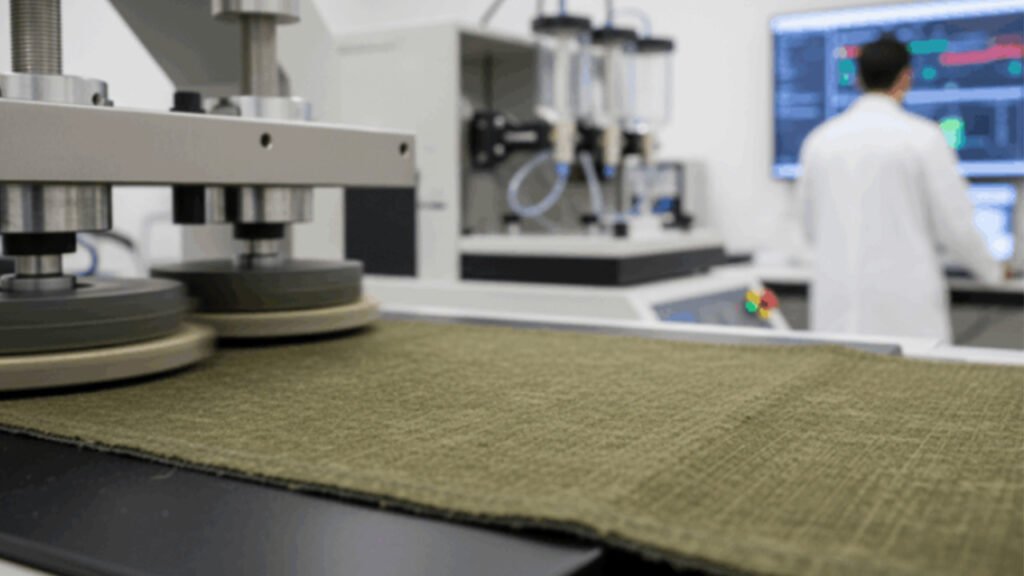
We conducted professional abrasion resistance and tear resistance tests on nylon bags and polyester bags in the laboratory. This will help you have a clearer understanding of the performance of the two materials in terms of durability when making choices for your project.
Wear Resistance
Nylon bags: Although nylon is highly durable and offers excellent elasticity, prolonged exposure to intense friction can cause the fibers to wear down, resulting in pilling on the surface and affecting the bag’s appearance.
Polyester bags: Due to the tight interlacing of the polyester fibers, the surface is relatively smooth. This allows the bags to retain their appearance and shape even after prolonged friction with cotton and linen (common clothing materials), and they are less prone to showing signs of wear.
Review the data below to compare the performance of the two materials in laboratory tests using the Martindale Abrasion Test, the Weitzenbeck double-friction test, and the Taber cycle test.
| Fabric Type | Martindale Abrasion Test | Wyzenbeek double friction | Taber cycle |
| nylon | 4,500 times | 8,000 times | 1,500–2,000 times |
| polyester fiber | 3,500 times | 8,000 times | 1,500 times |
| Notes | Simulating fabric friction during everyday use | One back-and-forth motion counts as one repetition | The grinding wheel rotates and rubs against the fabric |
Therefore, if you care more about the abrasion resistance during long-term use (friction with clothing while carrying) and the appearance, polyester will be the perfect choice.
Tear resistance
If you’re more concerned about how the bag performs when carrying heavy items over long periods (such as a gaming laptop or thick books), then the tear resistance of the two materials is what you should focus on most.
| Fabric Type | Tear strength | unit |
| nylon | 45—55 | MPa |
| polyester | 30—40 | Mpa |
| Notes | Data showing the tear strength of the fabric in the warp and weft directions | |
According to test data, nylon outperforms polyester in tear resistance due to its elastic properties. Therefore, if your clients frequently need to pack heavy, fully loaded items, nylon which is designed for high-strength applications will be the most suitable choice.
Typical service life
If it’s not for extreme use, but just for regular work commuting, going to school, or light – duty traveling, then the service life of the material itself will be an important reference for you.
| Materials | Typical service life |
| Nylon | 3–7 years (high-end nylon lasts longer) |
| polyester | 2–4 years |
Nylon typically lasts nearly twice as long as polyester. So, if you prioritize lightness and want to stay stylish, polyester is a good choice. However, if you’re looking for longer-lasting durability, we recommend elastic nylon (which is also better suited for industrial applications).
Nylon vs. Polyester: Comfort

Weight: Nylon has a density of approximately 1.14 g/cm³, while polyester has a density of approximately 1.38 g/cm³. Therefore, when you hold both materials in your hand, nylon feels slightly lighter; however, in the actual production of bags, the fabric manufacturing process tends to offset this difference.
Breathability: Because the spaces between nylon fibers are larger and wider than those in polyester fibers, nylon offers superior breathability compared to polyester. This is particularly noticeable when used in backpacks, where the temperature sensation against the back is markedly different; nylon provides a more comfortable experience.
| Bag Types | Weight | Breathability | Comfort |
| Nylon bag | Lighter (10%–15% lighter than polyester bags of the same size) | better | better |
| Polyester bag | relatively heavy | Generally | Generally |
The reference dimensions for comfort usually include weight and breathability. Therefore, if your bag project involves bags that are more closely attached to the body and need to be carried for a long time, such as hiking bags, tactical bags, and commuting bags, then nylon, with its lighter weight and better breathability, is the choice you should make.
Nylon vs. Polyester: Protective Properties
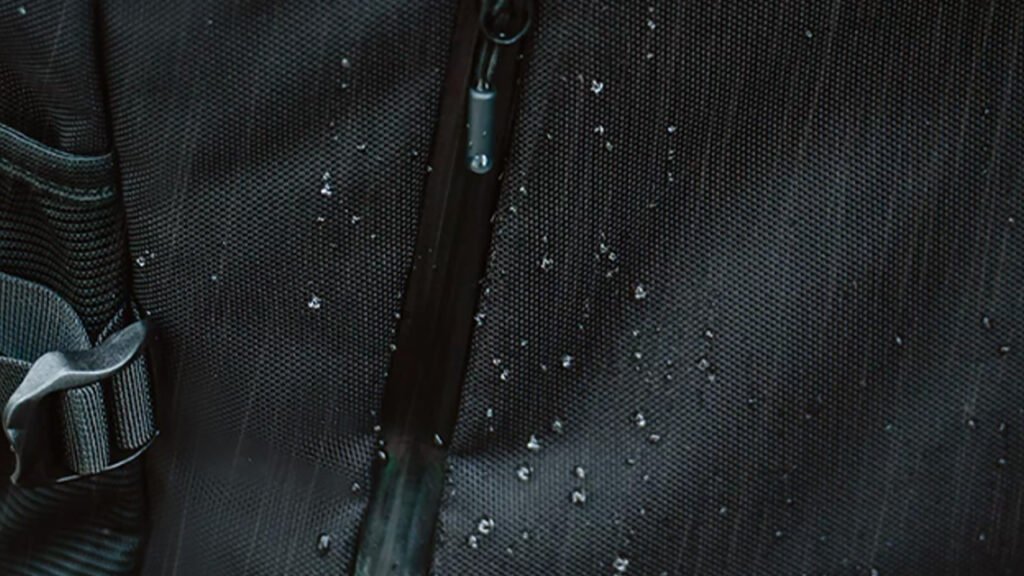
When dealing with inclement weather, your clients will place greater emphasis on the overall waterproof and moisture-resistant properties of the bags to prevent rain from soaking the contents and damaging documents. Next, let’s take a look at how these two materials perform in terms of waterproofing and moisture resistance.
Waterproof:
Nylon: Although nylon itself is not waterproof and absorbs water easily, we apply PU and TPU coatings during the manufacturing process to enhance its water resistance. This can raise the waterproof rating to between 3,000 and 5,000 mm (equivalent to heavy rainfall), making the bag suitable for use in heavy rain or snow while keeping the contents dry. For example, the water-resistant nylon bags sold by well-known brands and in department stores achieve their water-resistant properties through these coatings, not the nylon material itself.
Polyester fiber: Due to the tight weave of the fibers, the material is naturally splash-resistant and quick-drying. When coated with PVC or PU, its water resistance can be significantly enhanced to between 2,000 and 3,000 millimeters (equivalent to the rainfall of a typical downpour), effectively keeping the contents of polyester bags dry in rainy weather.
| Bag Types | Specifications | Coating | Waterproof rating |
| Nylon bag | 1000D | Typically, TPU | IPX5 |
| Polyester bag | 1000D | It is usually PVC | IPX4 |
When comparing waterproof performance at the same 1000D specification, nylon bags with an IPX5 rating (resistant to moderate rain and high-pressure water jets) outperform polyester bags. Therefore, when crafting highly water-resistant commuter bags, hiking backpacks, or travel bags, we recommend using coated nylon bags for your projects.
Note: Nylon is not inherently waterproof; PU or TPU coatings are required to enhance its water resistance. Polyester fabric is naturally water-repellent without any coating.
Moisture protection:
Both nylon and polyester fibers exhibit excellent water-repellent properties when coated, but when selecting between the two for everyday moisture protection—rather than in extreme weather conditions—the choice should be based on the specific usage environment of your project’s clients.
Nylon: When working out or carrying equipment and tools, we recommend using nylon with a coating that can withstand heavy rain and repels water droplets to keep items dry.
Polyester: If you’re simply carrying books to school or a laptop to work, a polyester bag that offers protection from light rain and features quick-drying properties to keep your belongings dry is the best choice.
When selecting materials for bag projects, prioritize your brand’s target audience and analyze the intended usage scenarios. Choose nylon when high durability and performance are required, and opt for polyester for lightweight, everyday commuting.
Nylon vs. Polyester: Visual Characteristics
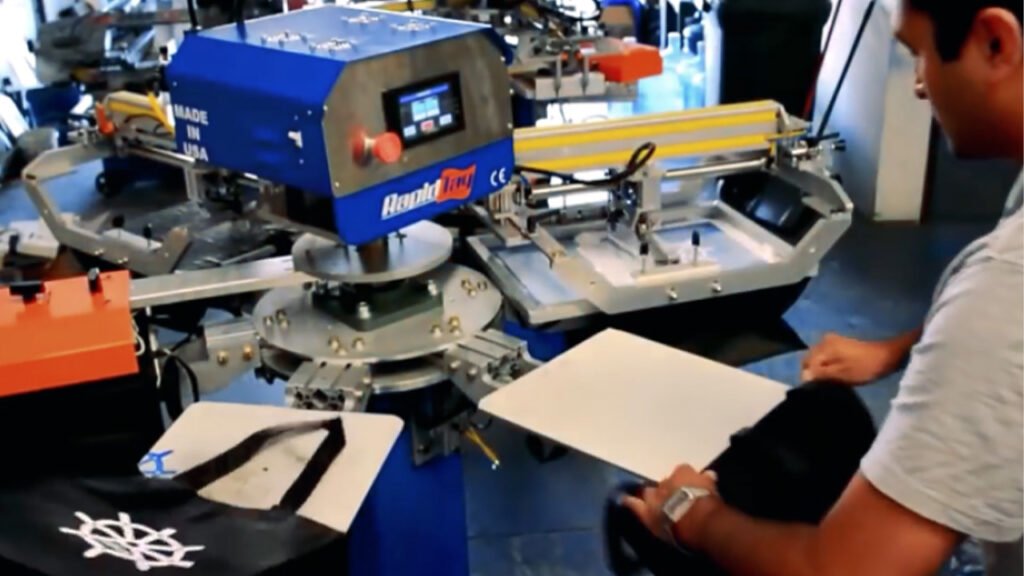
Texture: Simply by touching the surface, you can feel that nylon has a slightly rough texture but is soft to the touch and has a matte finish. Polyester, on the other hand, feels smoother and is slightly stiffer, but it reflects light well, creating a glossy finish.
Customization:
Nylon bags: Screen printing and heat transfer printing are the most commonly used printing methods (complex designs are prone to blurring due to the material’s properties), and they are susceptible to wear and fading after frequent friction.
Polyester bags: Their smooth surface is compatible with a variety of printing techniques, including screen printing, digital printing, and heat transfer printing. They produce rich, vibrant colors and excel at reproducing complex color patterns, while offering relatively low overall printing costs.
| Dimension | Nylon bag | Polyester bag |
| texture | Difficult to reproduce with high-quality printing | Capable of producing intricate and detailed patterns |
| Printing Process | Screen printing, heat transfer printing | Screen printing, digital printing, heat transfer, sublimation, and more |
| Color Rendering | The colors are somewhat dull | The color reproduction is excellent |
| Durability | It tends to fade after frequent friction or scuffing. | It adheres very well and is suitable for long-term use |
| Printing costs | Complex designs tend to be more expensive | lower cost |
If your project focuses more on a stylish aesthetic—such as for tote bags, commuter bags, or promotional giveaways—then polyester bags are the better choice.
Nylon vs. Polyester Bags: Price Differences
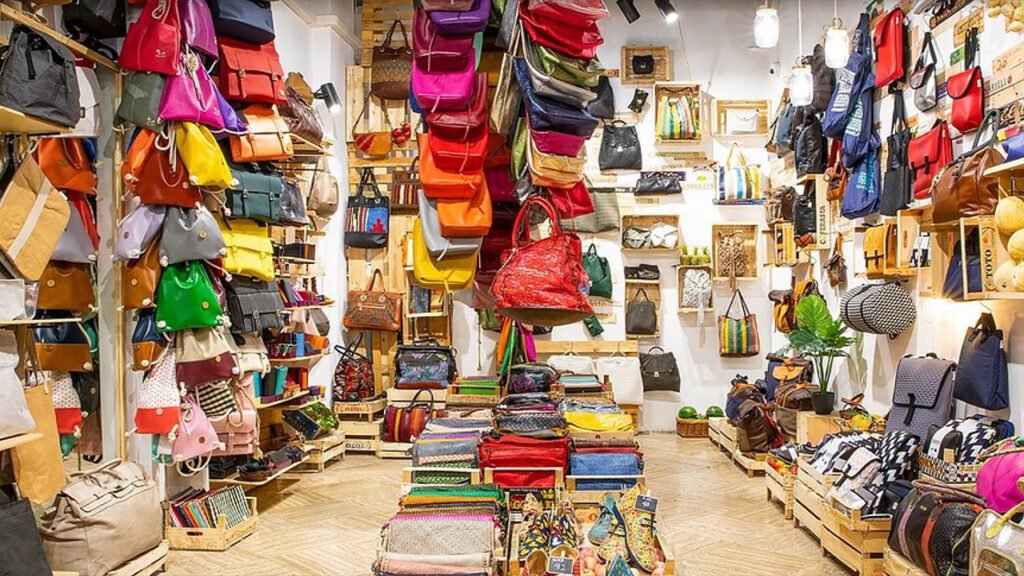
First off, let me be clear: polyester bags are cheaper than nylon ones, both in terms of material costs and retail prices. However, if you’re selecting the right material for your own supermarket chain, restaurant, or shopping mall, you need to make a comprehensive assessment that takes into account raw materials, manufacturing costs, and the product’s lifecycle (frequent replacements will eat into your budget). I’ve created a table to help you make an informed decision.
| Cost dimension | Nylon Bags | Polyester bags |
| Cost of raw materials | slightly higher | cheap |
| Manufacturing costs | The process involves many complex steps, resulting in high costs, and customization costs are also relatively high. | The process is mature and straightforward; large-scale production can reduce costs, and customization costs are low. |
| Life Cycle Cost | 3–5 years; low long-term cost per use, but high initial purchase cost | 1–2 years; requires frequent replacement; long-term costs may increase; low initial purchase cost |
Although polyester bags are less expensive, nylon bags last nearly twice as long. Furthermore, if your project bags are used frequently, the typical 1–2-year lifespan of polyester bags will be further reduced.
So, if you’re purchasing these for your own business, I recommend using nylon, which has a longer lifespan and can withstand high-intensity use. If you’re in the fashion retail industry, polyester offers higher profit margins, and its shorter lifespan can lead to more repeat purchases from customers, thereby increasing sales.
Environmental Performance of Nylon and Polyester Bags
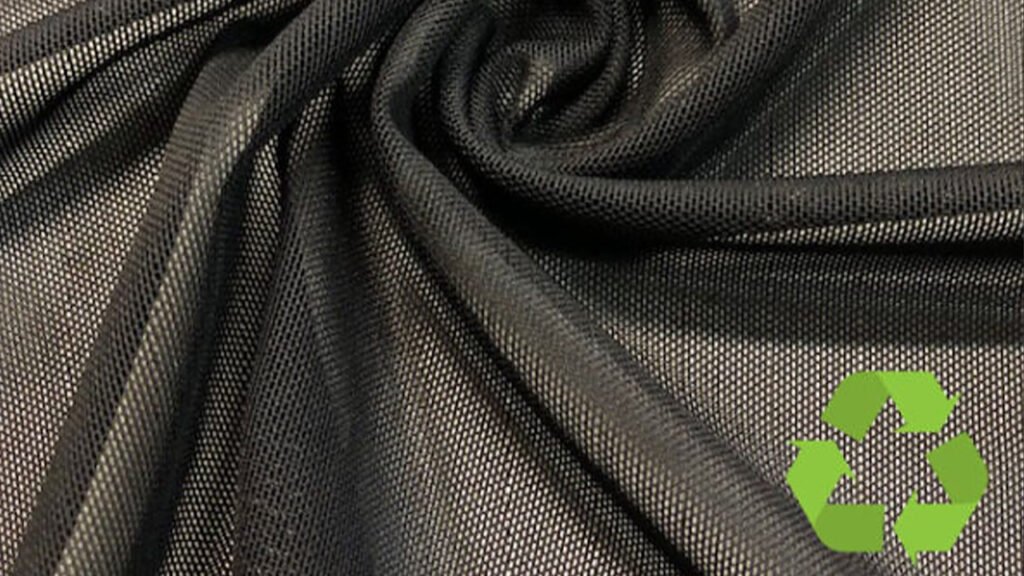
Nylon sustainability: The polymer chemical bonds within nylon are very tightly connected. This makes it difficult for the enzymes secreted by microorganisms to penetrate into the interior for microbial degradation when nylon is discarded in nature. However, due to its long service life and the emergence of recycled nylon, nylon still has good environmental sustainability.
Sustainability of Polyester: Although the energy consumption involved in producing polyester fiber is lower than that of nylon, polyester’s lower durability and the fact that it is produced in far greater quantities than nylon mean that its overall environmental impact is still higher than that of nylon. Today, recycled polyester fiber is made from post-consumer plastic, which effectively reduces overall carbon emissions.
| dimension | Nylon Bags | Polyester bags |
| Energy Utilization | High | Lower than nylon (though still relatively high) |
| Recycling Options | High difficulty | Recycling maturity |
| Biodegradable | No | Several decades or even a century (depending on the type of product) |
| Environmental Innovation | Recycled nylon | Recycled polyester |
If you are more concerned about the environment but still need to use these materials, please choose bags made from recycled nylon or recycled polyester instead of standard nylon or polyester. By recycling and reusing these materials, we can all help protect the environment.
Bag Project Case Studies
Campus Case Study:

Although students typically only need to carry textbooks and laptops to class, they have longer vacations for travel and exploration. When marketing to the campus market, you need to consider all aspects of portability, durability, and style. Therefore, we recommend stocking both nylon and polyester bags (nylon is ideal for students’ vacation travel, while polyester’s lightweight design and stylish prints make it more popular among young people for everyday use).
Commuting Scenarios:

When commuting to work, people prioritize lightweight, durable, and water-resistant bags to keep their laptops and documents safe. Therefore, nylon bags with a TPU coating are better suited for office workers who need to carry their devices for long commutes. On the other hand, when heading to the gym, your customers need a bag that can hold a change of clothes. In this case, lightweight, stylish polyester bags with built-in water-resistant features are more suitable for regular workouts at a fixed location.
Outdoor Use:
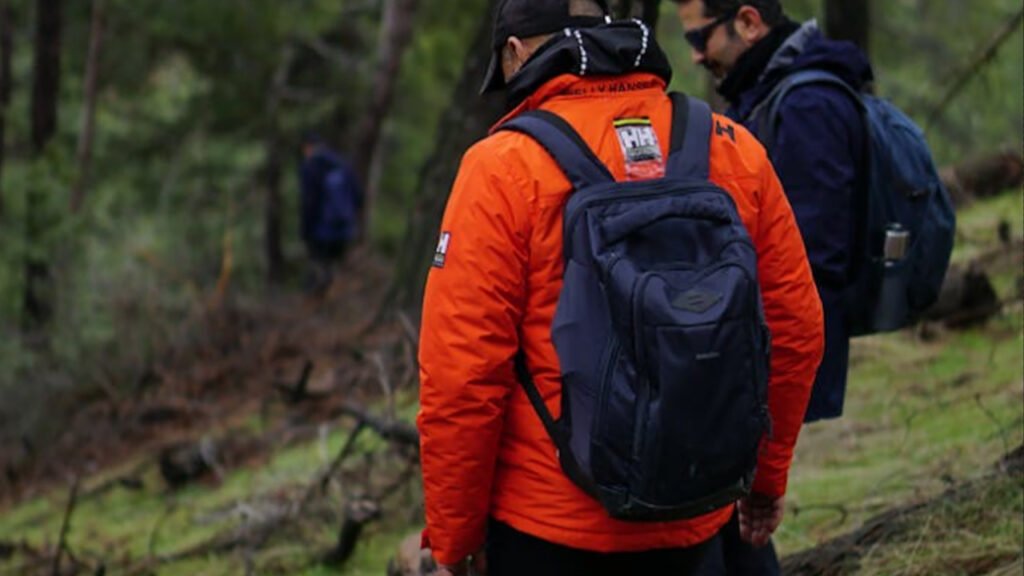
Nylon bags are relatively lightweight and durable, making them ideal for various outdoor activities and overnight camping trips. Even if they get covered in mud during an outing, they can simply be rinsed off afterward without requiring any complicated maintenance. While polyester bags are slightly heavier, their lightweight, waterproof, and quick-drying properties make them better suited for use in rainy or humid environments, helping to keep the contents dry.
| Scene | Usage Requirements | Recommended Bags | Suitable for the following types of bags |
| Campus | Lightweight, stylish, and built to last on vacation | Polyester bags, nylon bags | Polyester bags: everyday backpacks, laptop bags; Nylon bags: large-capacity backpacks, travel-specific laptop backpack, hiking backpacks, travel shoulder bags |
| Commuting | Lightweight, durable, waterproof, protective, and perfect for storing a change of clothes | Nylon bags, polyester bags | Nylon bags: laptop bags for commuting, waterproof document bags; Polyester bags: gym backpacks, lightweight sports tote bags |
| Outdoors | Durable, easy to clean, water-resistant, and quick-drying | Nylon bags, polyester bags | Nylon bags: multifunctional outdoor backpacks, camping bags; Polyester bags: water-resistant outdoor shoulder bags, lightweight waterproof hiking backpacks |
Common Mistakes to Avoid
1.Choosing polyester fiber bags just because they are cheap, wrongly using them for high – intensity applications.

When dealing with high-intensity environments such as transporting goods, mountain climbing, camping, and military tactical training, project procurement must never opt for polyester fabric in bag manufacturing simply to save money. In our 21 years of industry experience, we have encountered many buyers who, in an effort to cut costs, used the wrong materials for high-intensity applications. This resulted in subsequent operations being unable to proceed as planned, ultimately forcing them to request new budgets for procurement.
2. Failure to account for the printing characteristics of polyester and nylon bags, resulting in unsellable products
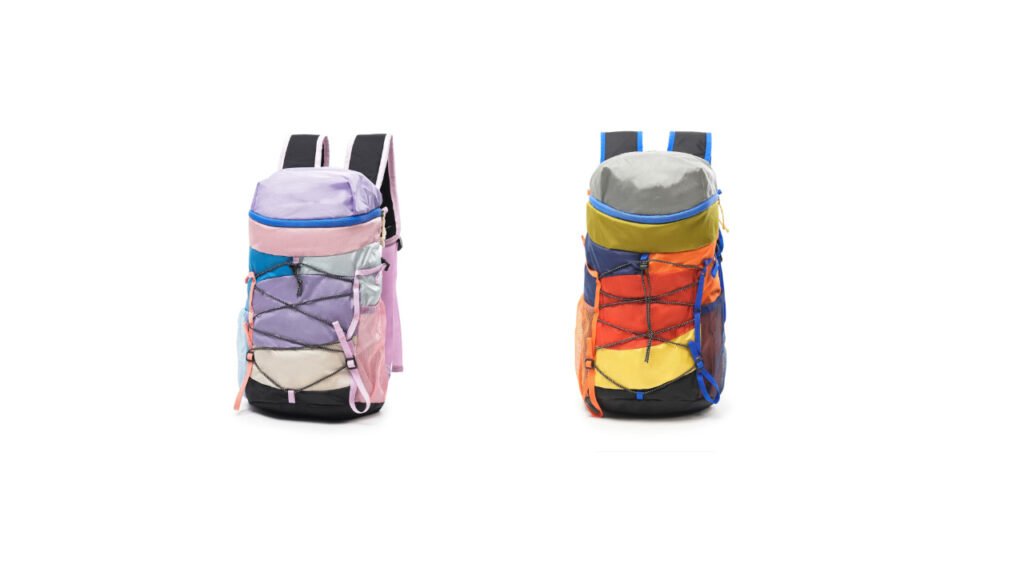
When making customizations, due to a lack of understanding of the characteristics of the two materials, highly complex patterns were printed on nylon bags. The final result was that the patterns appeared blurry and the color saturation was low, rendering the entire project unsellable.
3. Choose bags made from standard nylon and polyester rather than the recycled series
If your client is environmentally conscious, prioritize recycled nylon and recycled polyester when selecting bag materials to avoid having the client reject further progress on your project due to environmental concerns.
How to Choose
Now that you have a comprehensive understanding of both nylon and polyester bags, I believe you have a solid grasp of the key characteristics and recommended applications of each material. However, you may still have some doubts about which one to choose. Based on your project’s specific requirements and intended use, I’ll provide a direct recommendation on whether you should opt for a polyester bag or a nylon bag:
Primary Uses: If your project involves hiking backpacks, mountaineering backpacks, tactical backpacks, or similar gear designed for high-intensity activities, choose nylon, which is better suited for heavy-duty use. On the other hand, lightweight polyester is more suitable for everyday items such as work commuter bags, school backpacks, and shopping bags.
Custom Designs: Both durable nylon bags and lightweight polyester bags are suitable for printing simple logos. If you prefer the stylish look of intricate designs, then polyester bags are the ultimate choice.
Value for money: Polyester bags are more affordable per unit and can be printed with intricate designs, making them ideal as promotional giveaways for business events. However, if durability is a priority, opt for nylon, which has a longer lifespan (reducing the need for frequent replacements and lowering overall costs in the long run).
FAQ
How can you determine whether the nylon or polyester supplied by a vendor meets the required standards?
- This can be determined by examining the material’s GSM, Daniel’s coefficient, and the PU, TPU, and PVC used in the coating process, as well as by conducting physical tests on the submitted samples.
Is there a noticeable difference between nylon and polyester bags in everyday use?
- If it is just for daily light – duty use, the differences between nylon bags and polyester fiber bags are not obvious. Activities like working, going to school, and shopping in daily life all involve lightweight carrying, which hardly poses any stress on the materials themselves.
Are polyester bags really not durable?
- Not necessarily. Under normal circumstances, polyester bags can meet virtually any requirement for lightweight applications. Their perceived lack of durability is more a matter of comparison when used in extreme environments involving long-term, heavy-duty use.
Why do many outdoor brands prefer to use nylon?
- Compared to polyester, nylon offers superior tear resistance and elasticity. Outdoor brands need to project a sense of professionalism, so their products are designed with extreme, high-frequency use scenarios in mind—such as mountaineering, camping, and other activities involving heavy loads—and nylon is better suited for these environments.
Which is better for carrying a laptop over the long term: a nylon bag or a polyester bag?
- Nylon is a better choice. Because nylon offers greater elasticity and tear resistance, it is less likely to deform or become damaged under prolonged heavy loads. Therefore, compared to polyester backpacks, it is better suited for carrying heavy loads over extended periods.
Get expert advice on materials and project customization at 367bags Factory
After reading this article, you should now have a clear understanding of whether your bag project should opt for more durable nylon bags or polyester bags that are better suited for printing vibrant designs. Of course, if you still have any questions regarding customization, please feel free to contact us. At 367 Bags Factory, we offer comprehensive OEM & ODM services tailored to your project’s specific needs, combining texture, functionality, and current trends. Whether you require large-scale production or small-batch customization, we can meet your needs, helping you continuously improve customer satisfaction and attract more followers through word-of-mouth.