What is a Mesh Bag? Types, Uses & Sourcing Guide
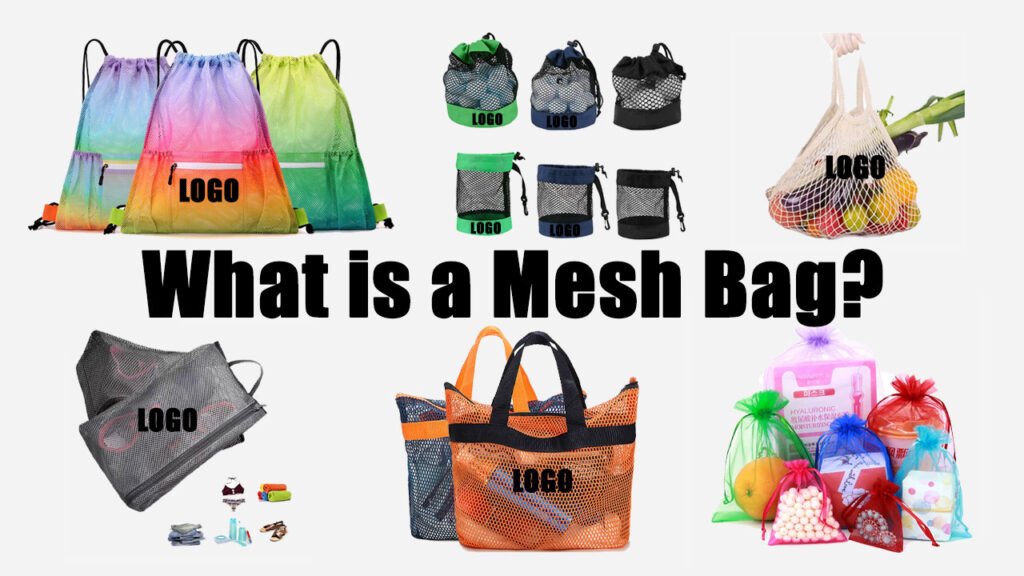
Are you looking for a solution for your beach shop, laundromat, or fresh produce supermarket that eliminates odor buildup and offers lightweight, portable storage? These mesh bags, crafted using a woven fabric process, are naturally breathable and lightweight, perfectly addressing the issue of odor buildup caused by enclosed spaces and trapped moisture. You can use them in your retail stores to organize inventory and for customer shopping. However, as with any product, choosing the wrong material or size can lead to breakage or insufficient capacity during use, which could negatively impact your brand’s reputation. Therefore, drawing on my industry experience in the research, development, and production of mesh bags since 2004, I will provide professional guidance on project procurement, wholesale, and customization to help you make the right choices regarding mesh bag categories, materials, and sizes. (At the end of this article, you can request a free physical sample of a mesh bag to help you examine the details more closely.)
Quick Takeaway: Choose the Right Mesh Bag Based on the Project Type
Mesh bags can be found in almost any setting—sometimes in grocery stores for storing fruits and vegetables, and in laundromats, where people use them to carry sweat-soaked clothes to the washing machine. Thanks to their unique woven mesh structure, which allows water and air to circulate freely, they can be used in virtually any setting where privacy isn’t a concern. Here’s a quick selection guide to help you make the right choice for your project:
| Application Scenario | Applicable Mesh Bag Type | Production Material | Material Features |
| Fresh produce supermarket fruit & vegetable storage & shopping | Drawstring mesh bag, hand-held shopping mesh bag | 120-160g Polyester Mesh, Food-grade PP Mesh | Breathable & water-draining to prevent fruits/vegetables rot from stuffiness; water-resistant & easy to clean, cost-effective |
| Laundry shop wet garment sorting & protection | Laundry Mesh Bag | Thickened Polyester Mesh, High-elastic Nylon Mesh | Fast water drainage & quick drying to avoid mildew odor; resistant to repeated washing machine twisting & pulling, anti-snagging |
| Beach mall small beach item storage | Large-caliber lightweight mesh bag | Lightweight Polyester Mesh, PE Mesh | Ultra-light weight, easy to fold & store; resistant to seawater splash & corrosion, sand can leak out rapidly |
| Supermarket gift & promotional lead generation style | Universal Mesh Bag | Low-cost PP Mesh, Compostable PLA Mesh | Low cost, suitable for bulk customization; eco-compliant style available for overseas markets |
| Hardware small parts / tool sorting & storage | Dense small-hole heavy-load mesh bag | 160g thickened Polyester Mesh, PVC coated Mesh | Dense mesh hole prevents small parts falling out; puncture & wear resistant, load capacity up to 10-15kg |
| Outdoor camping ingredients / sundry storage | Wear-resistant Mesh Bag | 1000D Composite Polyester Mesh, UV-resistant Nylon Mesh | Resistant to outdoor sun aging, tear & splash resistant, fits complex outdoor environments |
| Maternal & infant store baby clothing / toy storage | Dense soft-texture Mesh Bag | Skin-friendly soft Nylon Mesh, Eco-friendly Polyester Mesh | Smooth rounded mesh edge without burrs, no scratch to baby supplies; breathable, moisture-proof & no residual odor |
| Farmers’ market bulk dry goods sorting | Medium-hole reinforced Mesh Bag | Thickened PP Mesh, Compliant compostable Mesh | Stable load bearing & anti-breakage; degradable version complies with plastic restriction regulations of multiple countries |
When purchasing mesh bags for your business project, choosing the right category and a material suitable for the intended environment will directly determine whether the mesh bags you purchase can be used as-is for your project. If you’re short on time, you can refer to the table above to make your selection. If you’d like to learn more about mesh bags, scroll down. By the time you finish reading this article, you’ll have gained enough knowledge to become a procurement expert in the field of mesh bags.
Advantages and Disadvantages of Mesh Bags
Advantages of Mesh Bags
As global environmental awareness grows, businesses and customers are gradually moving away from the use of single-use plastic products. Mesh bags—originally made of cotton—have quickly caught the attention of both businesses and customers thanks to their breathability, light weight, eco-friendliness, and affordable price:
- Breathable and Odor-Resistant: The unique mesh design ensures constant airflow, preventing fresh produce from spoiling quickly or sweat-soaked workout clothes from developing odors due to stuffiness or moisture buildup
- Lightweight and easy to store: Thanks to its mesh structure, the bag can be folded down to a very small size when not in use. You can stack them in a storage area without taking up much space, and for personal use while traveling, you can even slip one into your clothing pocket.
- Extremely Versatile: Whether for grocery shopping, sorting laundry, organizing tools, or storing household items, the Mesh Bag can meet the needs of virtually any scenario your clients may require.
- Eco-Friendly and Reusable: The Mesh Bag replaces single-use plastic bags through repeated use. Some cotton and jute varieties are naturally biodegradable, contributing to environmental sustainability.
- Easy to clean: When the Mesh Bag gets stained, there’s no need for complicated maintenance—simply rinse it with water and give it a gentle rub; its mesh structure allows it to dry quickly.
- See-through design: Whether used in stores or for personal outings, the Mesh Bag’s see-through design lets you clearly see the location of items inside without having to rummage through them.
Mesh Bags allow your project store to replace traditional plastic shopping bags without breaking the bank, and help customers organize their items more efficiently for personal use.
Disadvantages of Mesh Bags
While mesh bags offer many advantages, their extreme convenience also comes with some drawbacks. When procuring items for your project, you need to consider whether your clients will accept these drawbacks. Avoid having your clients reject the products once they receive them:
- No Privacy: The open, see-through design of the Mesh Bag means that items inside are clearly visible, making it virtually unsuitable for carrying private or valuable items. Even when used for ordinary items, some customers who place a high value on privacy may find this unacceptable.
- Prone to Tearing: The mesh weave is susceptible to fraying, holes, or even localized tears caused by friction when carrying rough or sharp objects. Although Mesh Bags made with thickened, coated mesh and reinforced construction offer significantly better durability, this comes at the cost of reduced breathability and transparency.
- Not Water- or Dust-Resistant: While the open mesh design ensures ventilation and quick drying, it offers virtually no protection against water and dust during use. Therefore, when used in rainy weather or dusty areas, you’re largely reliant on the protective capabilities of the items themselves. Some users wrap their belongings in kraft paper before placing them in the Mesh Bag to enhance privacy and protection (much like cowboys in Western movies).
- Large mesh openings can cause small items to fall out: When using a mesh bag, you need to consider whether the mesh size is appropriate for the items you’re carrying. If the mesh openings are too large, smaller items inside may fall out and get lost; for example, commonly used small items like headphones, keys, and chargers.
Although mesh bags can serve as a carrying and storage solution for almost any situation, you should also consider whether your specific products are suitable for transport in this type of bag, which offers no privacy or protection—for example, fragile items or items requiring privacy.
What types of mesh bags are available for your project?
Most mesh bags are typically categorized by material, while professional mesh bag suppliers usually assign multiple names to them (one based on material and another based on usage scenarios or carrying styles). When you submit your procurement requirements, they can quickly provide you with the mesh bag category that best suits your needs:
Mesh Laundry Bag
The Mesh Laundry Bag prevents your clients’ valuable garments from coming into direct contact with the washing machine drum and metal clamps during the wash cycle, providing protection especially for sweaters, silk, knitwear, and other delicate fabrics that are prone to snagging.
Sorting and Storage: When customers bring large quantities of laundry to your laundry shop, you can use Mesh Laundry Bags to sort their clothes into categories such as underwear, socks, dark colors, and light colors. This makes it easier to handle the laundry later and helps avoid the risk of snagging or color bleeding caused by mixing soft and stiff fabrics due to unsorted items.
Laundry Protection: You’ve surely encountered situations where small items like socks and underwear get tangled and lost in the washing machine (many end up in the gaps outside the drum), or where sweaters develop long strands of loose yarn after washing due to exposed threads. The Mesh Laundry Bag is designed to solve these problems and prevent your laundry shop from having to pay compensation for damage to customers’ clothing.
| Specification Type | Core Performance | Applicable Scenarios |
| zippered laundry bags (60D-100D) | Firm closure, not easy to split open and lose items during machine washing | Washing small garments, sorting for business trips & travel, hotel linen sorting |
| wash bag for delicates (100-120 mesh count) | High-density fine mesh, effectively prevents snagging and abrasion | Care washing for silk, lace, wool sweaters and light luxury knitted fabrics |
| Lingerie Laundry Bag (110-120 mesh count) | Fine & dense mesh holes, prevents underwire displacement & deformation | Machine wash protection for bras, panties, close-fitting underwear and shapewear |
When your project involves industries such as laundry service platforms, hotels, and vacation rentals—which require frequent washing and fabric sorting—using Mesh Laundry Bags can help you enhance portability in your business operations and reduce unexpected issues like damage, staining, and loss, thereby improving your overall profit margin.
Mesh Grocery Bags
These lightweight Mesh Grocery Bags, which fold down small enough to fit in a pocket or wallet, can be used at your supermarket chains and fresh produce stores to provide shoppers with a clearer view at checkout while maintaining air circulation to prevent fruits and vegetables from spoiling due to trapped moisture.
Ensure Proper Ventilation: When your customers have finished selecting items in the produce section and move on to other sections to spend a long time shopping, using sealed bags may lead to spoilage and returns due to trapped moisture, resulting in waste. The breathable design of Mesh Grocery Bags effectively prevents this problem from occurring.
Plastic Bag Alternative: When shoppers pass through the checkout lane, they can have their items scanned and paid for without having to empty everything out of their bags. By being reusable, this solution replaces single-use plastic bags and enhances environmental sustainability.
Tear Resistance: Taking standard 60–100D polyester mesh grocery bags as an example, the reinforced-seam style has a static load capacity of 8–12 kg and can easily hold fruits, vegetables, canned goods, and bottled household items.
| Category | Applicable Scenarios | Advantages |
| Coarse Mesh Grocery Bags (30-60 Mesh Count, 60D Polyester) | Bulk fruit & vegetable purchasing, supermarkets, farmers’ markets, beach storage | Excellent air permeability, light self-weight, drains water & sediment efficiently, high load-bearing capacity |
| Fine Mesh Grocery Bags (80-100 Mesh Count, 100D Polyester) | Small berries, beans, small fruits & vegetables sorting, refrigerator storage | Dense mesh holes to prevent tiny ingredients from leaking out, machine washable & reusable |
| Handheld Mesh Grocery Bags | Supermarket shopping, daily grocery shopping, short trips | Comfortable stress bearing for hand carry, easy to open & close, can be directly displayed for access |
| Drawstring Mesh Grocery Bags | Fresh food sorting, refrigerator storage, portable storage | Drawstring closure prevents contents from falling out, small folded size, easy to carry around |
Please note: When purchasing Mesh Grocery Bags for supermarkets and shopping malls, due to the wide variety of product sizes, it is important to ensure that the mesh density is appropriate to prevent items such as candy and small fruits from falling through the mesh.
Mesh Book Bag
On campus, in addition to the most common backpacks, it’s common to see students carrying military-style backpacks or drawstring mesh bookbags. This allows them to carry books, soccer balls, basketballs, and art supplies to extracurricular activities while reducing the load and staying light on their feet. During back-to-school season, campus stores and large supermarkets shouldn’t limit their offerings to just backpacks.
Machine Washable: If the Mesh Book Bag gets dirty during repeated use, you can simply wash it in water. Its breathable design allows it to dry quickly when hung out to air dry.
Shape-Adaptive Design: The Mesh Book Bag flexibly adapts to the shapes of items such as basketballs, soccer balls, volleyballs, books, and art supplies, making it ideal for carrying these items to extracurricular activities.
Easy to Store: It folds down to a compact size, allowing students to store it inside their backpacks, in clothing pockets, or hang it on the outside of their backpacks to expand storage capacity.
| Specification Type | Core Performance | Applicable Scenarios |
| Backpack Mesh Book Bag (60-100D) | Full mesh breathable design, lightweight body, reinforced shoulder straps | Student daily schooling, after-school tutoring, training institutions, summer camps |
| Drawstring Mesh Book Bag (80 Mesh Count) | Compact after folding, portable, lower production cost | Simple textbook storage, extracurricular activities, campus promotional gifts |
Given the low production costs of Mesh Book Bags, you can even bundle them as “free gifts” with purchases at your chain of stores to boost customer conversion rates.
Mesh Beach Bag
Almost all tourists carry this open-weave, breathable mesh beach bag with them when they go to the beach or the pool to store their wet clothes, preventing them from developing an unpleasant odor by the time they return home.
Quick Sand Drainage: The open-mesh design allows sand to drain out quickly
Resistant to Seawater Corrosion: Made from polyester mesh fabric, the Mesh Beach Bag is resistant to sea salt; simply rinse it off after use at the beach to keep it clean
| Specification Type | Core Performance | Applicable Scenarios |
| Handheld Mesh Beach Bag | Fast sand draining, easy to rinse off dirt, large capacity, reinforced handles | Seaside vacation, beach activities, pool outings, short coastal trips |
| Drawstring Mesh Beach Bag | Compact after folding, lightweight & portable, low production cost | Small item storage for beach use, water park visits, cultural tourism promotional gifts |
If your project’s customers are purchasing a Mesh Beach Bag to take to the beach, be sure to also promote waterproof bags for electronics as a cross-sell (the Mesh Beach Bag is not waterproof and cannot be used on its own to carry electronic devices).
Mesh Storage Bags
Mesh Storage Bags are designed to help your project clients store out-of-season furniture and can be easily placed in the trunk of a car when traveling. As long as you accurately describe customer needs and product selling points when selling these items, you can easily boost your store’s sales conversion rate.
Flexible Material: When storing quilts and clothing, the flexible material prevents scratches on the surfaces of these soft items, and its stretchability enhances storage capacity.
Versatile Storage: Featuring multiple closure options such as zippers and drawstrings, combined with a mesh structure, this bag allows for virtually unrestricted storage of items ranging from fruits and vegetables to hardware tools in everyday use.
| Specification Type | Core Performance | Applicable Scenarios |
| Zipper Mesh Storage Bags | Tight closure, high-density mesh structure, small items not easy to fall out | Wardrobe clothes storage, plush doll storage, travel sundry sorting |
| Drawstring Mesh Storage Bags | Simple opening & closing, low cost, excellent air permeability | Bedding storage, outdoor gear arrangement, garage clutter classification |
Mesh Bags For Produce
When shopping for agricultural products, the presence of dirt and sand on the surface is the main reason customers are reluctant to place the items in their bags—after all, no one wants their bag to get dirty. With Mesh Bags For Produce, you can simply place fruits and vegetables directly in water to rinse off the dirt and sand, and check out quickly at the register without having to empty the bag.
Enhancing Environmental Sustainability: Given the unique nature of food, environmentally conscious customers may believe that plastic bags can harm fruits and vegetables, and thus prefer farmers’ markets that do not use them.
Maintaining Freshness: Customers shopping from a distance often worry that fresh fruits and vegetables will spoil due to moisture buildup inside sealed bags; the breathable nature of mesh bags effectively addresses this concern.
| Specification Type | Core Performance | Applicable Scenarios |
| Coarse Mesh Bags For Produce (30-60 mesh, 60D) | Good air permeability for draining sediment & silt, decent load-bearing capacity | Packing & sorting of potatoes, onions, pumpkins and other root vegetables & melons |
| Fine Mesh Bags For Produce (80-100 mesh, 100D) | Dense mesh holes to prevent small fruits and vegetables from leaking out | Packing & sorting of small fresh produce like strawberries, blueberries, cherry tomatoes and beans |
When equipping your fruit and vegetable store with Mesh Bags For Produce, their extremely low weight means they add virtually no extra weight to the total, making them very convenient for weighing at the supermarket.
Recommended Materials and Manufacturing Standards for Producing Mesh Bags
Range of Materials
I understand that when sourcing mesh bags for your project’s online store, you might feel overwhelmed by the variety of options—nylon, jute, polyester, cotton, and more. However, the inherent properties of each material directly determine whether the mesh bag you choose will be suitable for your project. Although they all feature a mesh structure, selecting the wrong material could result in bags that can’t support the weight of items or are impractical for customers to carry while shopping—which could negatively impact your brand’s reputation. Therefore, I’ve listed the materials commonly used to make mesh bags, along with their pros and cons, weight-bearing capacity, and suitable scenarios to help you make an informed choice:
| Material | Advantages | Disadvantages | Spec / Static Load Range | Applicable Scenarios |
| Polyester Mesh Bag | Wash-resistant, tear-resistant, resistant to seawater salt corrosion, not easy to deform, cost-effective, available in multiple specs from 60D to 120D | Regular version ages and yellows easily under long-term sunlight exposure | 60D basic: 5-7kg100D regular: 8-10kg120D thickened: 10-12kg | Produce packing bags, beach bags, laundry bags, storage bags, general supermarket mesh bags |
| Nylon Mesh Bag | Excellent toughness, wear-resistant, anti-snagging, better waterproof performance than polyester, smooth hand feel | High cost, prone to aging under sunlight, higher price than polyester | 70D regular: 6-8kg120D thickened: 9-13kg | High-end laundry care bags, outdoor gear storage, precision small parts protection mesh bags |
| Cotton Mesh Bag | Natural skin-friendly, biodegradable, excellent air permeability, soft touch | Softens when wet, reduced load capacity, prone to mildew, poor wear resistance, deforms after washing | 160g regular: 3-5kg220g thickened: 5-7kg | Maternity & infant clothing storage, eco-friendly organic produce bags, lightweight gift mesh bags |
| Jute Mesh Bag | Eco-friendly, retro texture, top-tier air permeability, biodegradable | Hard texture easy to chafe skin, prone to rot when soaked, weak load capacity, easy to fray | Basic weave: 2-3kgdensified weave: 3-5kg | Eco cultural & creative gift bags, short-term agricultural produce packing, offline event companion gift mesh bags |
When a client on your project asks you, “What are mesh bags made of?” you can not only tell them the material but also clearly explain the pros, cons, and suitable use cases. This will help them make the right choice during the shopping process and avoid the risk of returns or even negative reviews later on due to customers making the wrong selection.
Scope of Work
Once you’ve identified the materials suitable for your project, don’t rush to a conclusion just yet; A high-quality mesh bag requires not only selecting the right material based on your project’s needs, but also paying attention to details such as hardware, reinforcement points, and weaving techniques to enhance overall convenience and durability. (Compared to a mesh bag made from the same material and specifications, one with reinforced points offers an 18%–22% increase in static load capacity, a 30%–40% increase in the number of reuse cycles, and an approximately 35% longer overall service life.)
Accessory Compatibility
Plastic Anti-Slip Drawstring Tabs: Prevent the drawstring from slipping out during use and improve ease of opening and closing (reducing the time required for a single opening/closing operation by 40%).
Reinforced Nylon Webbing Handle: The reinforced handle distributes the pulling force when lifting heavy objects, increasing load-bearing capacity by 20%; it also reduces localized strain on the hand by 35% during prolonged lifting.
Rust-Resistant Metal Zipper: Resists rust and jamming in seawater and humid environments. Tested for 480 hours in a salt spray environment with no rust or jamming; compared to standard iron zippers, it has a three-fold longer service life in humid conditions
Abrasion-Resistant Oxford Fabric Reinforcement Patches: Used to cover rope holes and handle connection points. After installing the reinforcement patches, tear strength at the rope holes increases by 45%, and the failure rate due to hole expansion under high-frequency pulling reduces from 62% to 8%, extending the service life of stress points by approximately 40%.
Knitting Techniques
High-Density Weave: Compared to fabrics with the same denier, this high-density weave reduces snagging and damage during daily use by 55%.
Double-Layer Stitched Edging: Stitching along the entire edge prevents fraying and loose threads in the mesh fabric and increases the tensile strength of the sides by approximately 32%. In testing, after 50 washes, there were no issues with fraying or loose threads along the edges, and the rate of edge wear and tear was reduced by 60%.
Triangular Stitching Technique: Stitching triangular patterns at seams and corners distributes concentrated tensile forces, reducing the probability of corner cracking by 70% under the same load conditions.
Degree of Reinforcement
Essential Reinforcement Applications: Grocery bags for supermarkets, beach bags, tool storage bags, and frequently reused laundry bags must include handles, cord holes, and reinforced bottom panels as standard features.
Trade-offs for Lightweight Applications: Disposable promotional gifts and short-term produce bags can have their reinforcement processes simplified to control costs.
By now, you’ve already learned what mesh bags are made of and, once you’ve chosen the material, how to make a net bag. Next, drawing on my industry experience and the common mistakes I’ve seen procurement managers make when ordering custom mesh bags in bulk, I’ll provide some guidance to help you avoid these pitfalls during your wholesale project.
Avoiding Mistakes When Purchasing or Customizing Mesh Bags
Choosing the right mesh bag can directly shape your brand image; conversely, if your clients are unable to use them, it can cause significant damage to your brand. Here, I’ve listed several common mistakes related to mesh bags to help you avoid them:
Failure to Consider Environmental Weather Resistance
First, you should confirm your client’s intended use for the project and the location of your store. Especially when used in beach settings, using standard polyester mesh bags can lead to rapid aging and cracking due to salt corrosion from seawater. Additionally, prolonged exposure to high temperatures and direct sunlight without UV protection can cause the fabric to fade and the mesh threads to become brittle and snap. Therefore, before starting the project, prioritize confirming the intended use to prevent your client from having to cancel their trip because the mesh bags are unsuitable for the environment.
Does not meet the compliance requirements for the target region
This is an issue that many buyers tend to overlook, which can result in products being unable to be brought to market for sale after large-scale production is complete. Below, I’ve listed the regulations governing materials and fabrics in several countries; you can review them to take proactive measures to avoid any issues. Alternatively, contact us for free professional guidance.
Blindly Reducing Paper Weight to Control Costs
To boost overall project profits, some buyers reduce the fabric weight and cut back on reinforcement processes when purchasing mesh bags. As a result, the finished mesh bags fail to meet weight-bearing standards, and they often tear when used by shoppers, thereby damaging the brand’s reputation.
How to Choose the Right Mesh Bag for You
Have you already familiarized yourself with the details of mesh bags—such as categories, materials, and manufacturing processes—but are still unsure about which one to choose for your project? Don’t worry. I’m going to show you how to select the right mesh bag based on the specific characteristics of your project:
Assess usage requirements, select materials, and determine dimensions
What are your project clients’ main uses for these bags? Storing wet clothes after a workout? Carrying fruits and vegetables while shopping? Or preparing for a trip to the beach? Each use case has different requirements for the Mesh Bag’s material, size, and weight capacity. Therefore, I’ve listed the recommended materials, sizes, and weight capacities for Mesh Bags suited to various scenarios:
| Usage Scenario | Suitable Material & Spec | Regular Outer Size (W × H) | Standard Static Load | Scenario Supporting Description |
| Store damp sportswear | 60D Regular Polyester Mesh | 35×45cm | 5-7kg | Breathable mesh for fast drying; holds 1 set of sportswear + sneakers, for daily gym storage; reinforced version load reaches 6.0-8.4kg |
| Supermarket produce carry bag | 100D Thickened Polyester Mesh | 40×50cm | 8-10kg | Breathable mesh avoids moisture buildup on fruits & veggies, ideal for melons/fresh produce shopping; bottom & handle reinforcement lifts load capacity by 20%, stably holds full bags of fruits & vegetables |
| Seaside travel storage | 70D Nylon Mesh | 42×52cm | 6-8kg | Resists seawater salt fog corrosion, waterproof & tear-resistant; stores swimwear, beach toys & sun supplies; service life in humid environments is twice that of regular polyester |
| Household laundry sorting storage | 60D Dense Polyester Mesh | 30×40cm | 4-6kg | Fine mesh prevents small clothes from falling out; resists fraying after 50 machine washes, fits sorting storage for underwear, socks & small garments |
| Outdoor small tool storage | 120D Thickened Polyester Mesh | 38×48cm | 10-12kg | Equipped with reinforcing patches & bartack stitching at truck seams, load-bearing anti-cracking; stores wrenches, fittings & small hardware parts, boosts repeated service life |
You can also think of it simply this way: polyester is suitable for everyday light-duty use, while nylon is better suited for high-load applications and specific environments with high humidity.
Compliance with regulatory requirements in export markets
Although mesh bags are reusable and eco-friendly, certain regulations in different countries and regions may explicitly prohibit their use in specific circumstances. Before placing a formal wholesale order for custom mesh bags, be sure to check the laws and regulations regarding mesh bags in your region:
- Germany: In accordance with the EU’s REACH regulation, strict controls are in place for PFAS, phthalates, and heavy metals; specific limits apply to drawstring lengths and accessory strength for children’s products; EPR registration for textiles is mandatory; and labels must include material composition and recycling information in German.
- United Kingdom: UK REACH and UKCA certification are enforced; strict controls are in place for formaldehyde, and harmful azo dyes are banned; EPR for textiles is mandatory; and safety test reports verifying the suitability of additives for seawater must be submitted for beachwear.
- France: Non-compostable single-use mesh bags are banned; reusable mesh bags must indicate their expected lifespan and recycling channels; bulk purchases require supporting documentation on the carbon footprint of the fabric; strict controls are in place to mitigate the risk of accidental ingestion of small accessories in children’s products.
- United States: Children’s products must comply with CPSIA limits for lead and phthalates and provide a CPSC certificate; in California, products must comply with California Proposition 65 warning label requirements; and mesh bags for household use must meet applicable flame-retardant regulations.
- Canada: In accordance with the CCPSA, which aligns with EU standards for chemical and structural safety of children’s products, strict traceability of fabric materials is enforced; reusable mesh bags must be labeled as such; while there are no specific thickness requirements for plastic-free bags, compliance documentation must be available for inspection.
- Australia: Compliance with ACCC safety standards is required, including specified tensile strength limits for children’s accessories and formaldehyde limits for fabrics; imports must be accompanied by Safety Data Sheets (SDS) for additives; all product categories must include English labels specifying materials and safety warnings.
- Japan: Fruit and vegetable storage bags must meet food contact safety standards; household goods labeling regulations require the disclosure of material and care instructions; children’s products are subject to ST standards governing drawstrings, sharp edges, and harmful dyes and additives.
- Singapore: Chemical indicators align with the EU REACH baseline limits; fabric safety is subject to random inspections upon entry; supermarkets prioritize reusable options; an environmental tax is levied on single-use mesh bags; clearance is denied without a valid compliance test report.
- South Korea: Mesh bags in the children’s category are subject to mandatory KC safety certification; strict controls are in place for azo dyes and VOC emissions from fabrics; products on the market must include recycling sorting guidelines; and the distribution of laminated, non-biodegradable mesh bags is prohibited.
- New Zealand: The country follows Australian ACCC safety standards, unifies physical and chemical control requirements for children’s products, prioritizes products made from recycled and eco-friendly fabrics, and continues to tighten market access rules for single-use mesh bags.
Before you launch your project, I can provide you with free, professional guidance on market regulations. This will help ensure your mesh bag products can be successfully brought to market for sale and use.
Conclusion
Breathable and lightweight, mesh bags are the best choice if you’re looking for an alternative to single-use plastic bags. They’re perfect for grocery stores, farmers’ markets, beach shops, and any other situation where you need a carrying bag. Can’t find a mesh bag supplier that offers competitive prices and professional expertise? Contact us. As a specialized manufacturer dedicated to the production and R&D of mesh bags since 2004, 367 Bags Factory provides free design services, free physical samples, and low-volume OEM & ODM services to help bring your project vision to life.