10 Best Bags Materials – The Ultimate Guide for Your Project
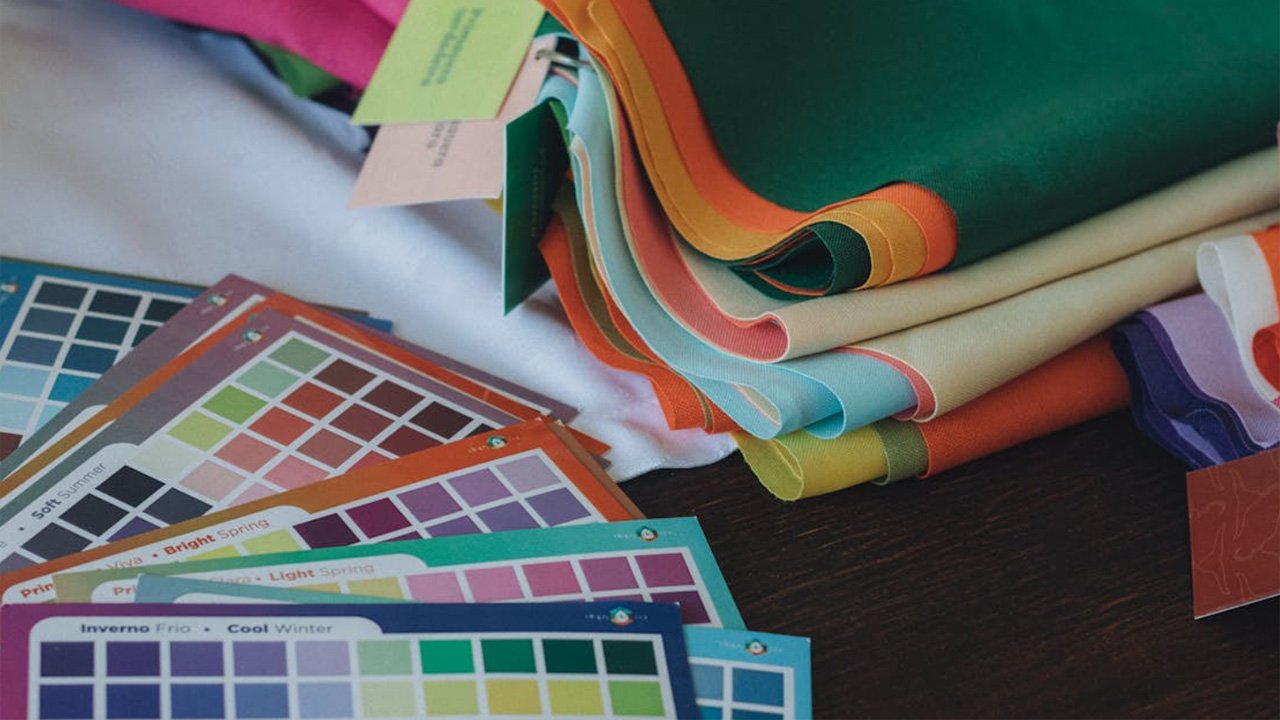
struggling to find the right materials for your new bag project? First of all, you should identify the usage scenarios for making the bags. The material choices for high – end fashion retail, large – scale durable procurement, and budget – friendly gift marketing scenarios are completely different. Otherwise, even a perfect design will lose its unique style completely if the wrong material is used, increasing the risk of failure for your business project.
With 21 years of industry experience, our manufacturer team has dealt with almost all the materials used in bag production. In this guide, I will analyze the characteristics of each material and teach you how to make a choice by considering factors such as the project scenario, bag category, and budget.
Quick Summary of Bag Materials Performance
Before you read the article, I’ve put together a quick reference table to help you quickly and easily understand the basic properties and recommended applications of each material.
| Quick overview of the properties of various materials. | ||||
| Material Science | Advantage | shortcoming | Applicable scenarios. | Ideal for bag usage. |
| Canvas | Durable,Environmentally friendly,Printable | Easy to get dirty; prone to heaviness. | Daily commuting, outdoor activities, brand promotion. | Tote bags, travel bags, handbags. |
| Organic Cotton | Environmentally friendly, gentle on the skin, low in allergenicity. | High costs, low output. | High-end retail, baby and parenting market, environmental protection projects. | Tote bags, maternity bags, shopping bags. |
| Polyester | Low cost, wrinkle-resistant, easy to clean. | Poor breathability; not environmentally friendly. | Promotional activities, daily commutes, student market. | Backpacks, shopping bags, lightweight bags. |
| Nylon | High strength, wear-resistant, lightweight. | Non-biodegradable, prone to aging. | Outdoor activities, travel, tactical applications. | Hiking backpacks, tactical packs, luggage bags. |
| Leather | High-end, durable, and rich in texture. | High price; requires maintenance. | Business offices, upscale retail, luxury goods market. | Messenger bags, handbags, tote bags. |
| PU leather. | Affordable, water-resistant, and easy to maintain. | Easily prone to aging; lacks substantial texture. | Fast fashion market, campuses, daily commutes. | Backpacks, handbags, student bags. |
| Vegan leather. | Environmental protection, innovation, sustainability. | Higher costs and significant performance differences. | Eco-friendly brand, high-end fashion, young consumer demographic. | Handbag, cross-body bag, wallet. |
| Cork leather. | Naturally renewable, water-resistant, and antibacterial. | Limited resilience and design constraints. | Environmental protection market, designer brands, luxury-lite market. | Handbag, cross-body bag, wallet. |
| Cordura® | Super-durable, resistant to tearing, lightweight. | Stronger material, higher price. | Military, outdoor. | Tactical backpacks, tool kits, workwear bags. |
| TPU | 100% waterproof, durable, and resistant to stains. | Poor breathability, increased costs. | Waterproof for outdoor use, suitable for beaches, water sports, and commuting on rainy days. | Waterproof backpack, drying bag, functional bag. |
The quick summary provides only a brief overview. For more details on material properties and bag applications, please refer to the main text below or use the table of contents to navigate to specific sections.
Material Categories and Specific Types
Fabric materials
Canvas—A Classic from the Renaissance to the Present Day
Canvas is typically made from cotton or linen using a plain weave. Due to its excellent adaptability and durability, it was widely used in oil painting during the Italian Renaissance. It remains a classic material in industries such as bags and apparel to this day, valued for its ability to be dyed and printed with patterns.
Pros of Canvas Material
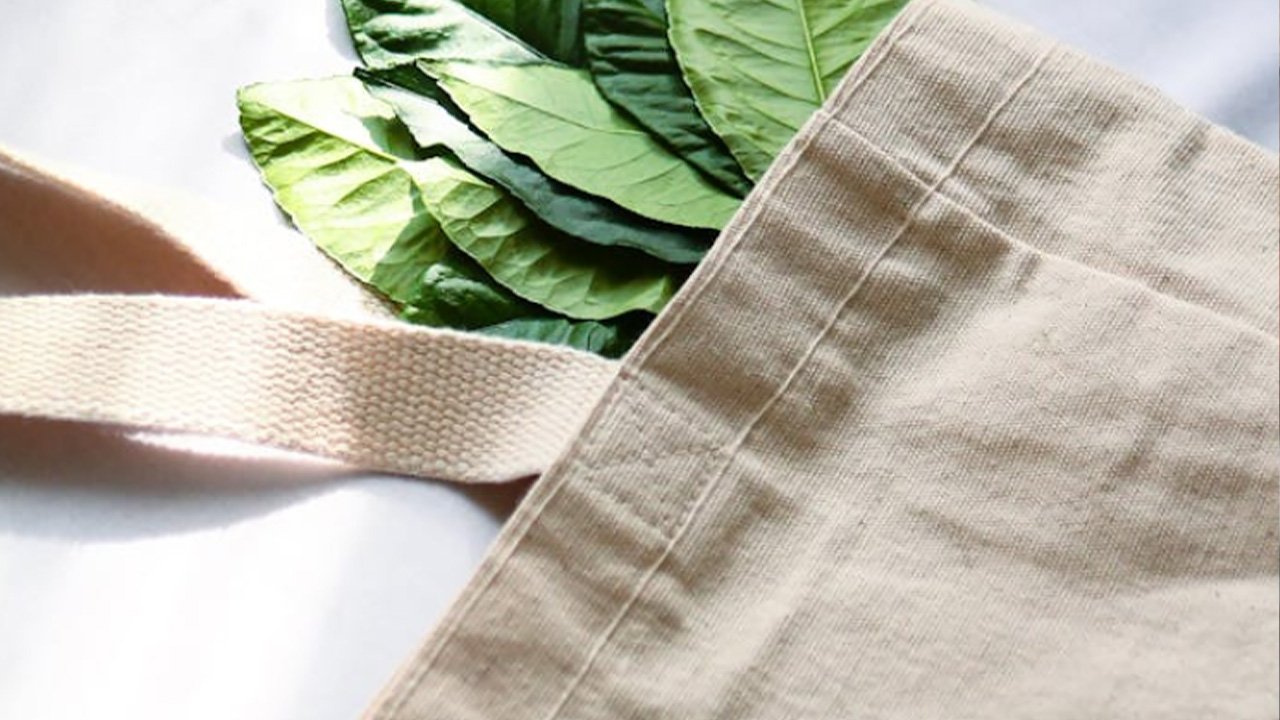
- Durability: Thanks to its interlaced weave, which tightly binds the internal fibers, canvas is highly durable. Once made into bags, it resists pilling and tearing even when rubbed against common materials like cotton, polyester, nylon, and leather during daily use. Furthermore, its excellent abrasion and tear resistance make it highly resistant to tearing when scraped against sharp objects such as branches or metal.
- Waterproofing: Canvas is not inherently waterproof, but excellent water resistance can be achieved through various waterproofing processes, such as coating (applying PU or PVC coatings), impregnation (soaking in silicone or fluorinated water-repellent agents), waxing (applying paraffin or beeswax), and lamination (applying waterproof films such as TPU). These methods ensure the fabric meets the protective requirements for various bag applications.
- Environmental Protection: Made from cotton and linen, canvas bags can be recycled and reprocessed into various canvas or fiber products—such as rugs, table mats, and clothing—after use, thereby improving resource utilization. Even if discarded in the natural environment, they will fully decompose within about a year.
Cons of Canvas Material
- Easily dyed: Because cotton and linen naturally contain hydrophilic hydroxyl groups (-OH), and their internal fibers feature numerous microporous structures and a large specific surface area, canvas acts like a “sponge with hooks” when it comes into contact with dye. It not only absorbs the dye but also “hooks onto” the dye molecules.
- Care Instructions: When exposed to dust or stains, canvas is prone to absorption into its natural fibers, which can shorten its overall lifespan. Additionally, due to the nature of natural plant materials, prolonged exposure to sunlight can cause UV rays to weaken the internal fibers, reducing their flexibility and strength.
- Plain texture: Due to the characteristics of natural plants, Canvas is relatively rough and thick in texture compared to synthetic materials, fur, etc. in terms of fineness, softness, luster, etc. Moreover, the market value of its raw materials makes Canvas more common. Unlike luxury materials, it cannot enhance its high – end attributes through scarcity and complex craftsmanship.
Given its durability, eco-friendliness, dyeability, waterproofing capabilities, and affordability, canvas is ideal for crafting tactical bags, travel bags, and branded tote bags—all of which require high levels of sturdiness. Additionally, postal services have utilized canvas mailbags to provide lightweight yet sturdy delivery solutions. Brands such as BURBERRY, GUCCI, and CELINE frequently release canvas bag collections.
| Canvas details. | |
| dimension | details |
| Raw material | Cotton, linen. |
| Advantage | Durable, water-resistant, eco-friendly. |
| shortcoming | Easy to stain, requires maintenance, lacks depth of texture. |
| Maintenance methods. | Regularly clean, keep it dry, and avoid direct sunlight. |
| Types of bags that are suitable. | Tactical bags, travel bags, handbags. |
| Applicable scenarios. | Daily commuting, travel, outdoor activities, brand promotion, and more. |
| EU certification. | Oeko – Tex Standard 100、REACH、CE、ISO 9001、ISO 14001 |
| Canvas load-bearing capacity. | |
| Canvas Canvas Specifications | Loading capacity. |
| 210D | Approximately 5 to 10 kg. |
| 420D | Approximately 10 to 15 kg. |
| 600D | Approximately 15 to 25 kg. |
| 1680D | Approximately 25 to 50 kg. |
Organic Cotton—A Sustainable and Eco-Friendly Alternative
Organic cotton is a new variety of cotton developed through the optimization of cultivation methods and technological advancements. Unlike conventional cotton, organic cotton is grown without the use of any harmful chemicals, significantly reducing the risk of allergic reactions and offering superior softness and breathability. As a result, products made from organic cotton—such as bags, home textiles, and clothing—are primarily targeted at the high-end market.
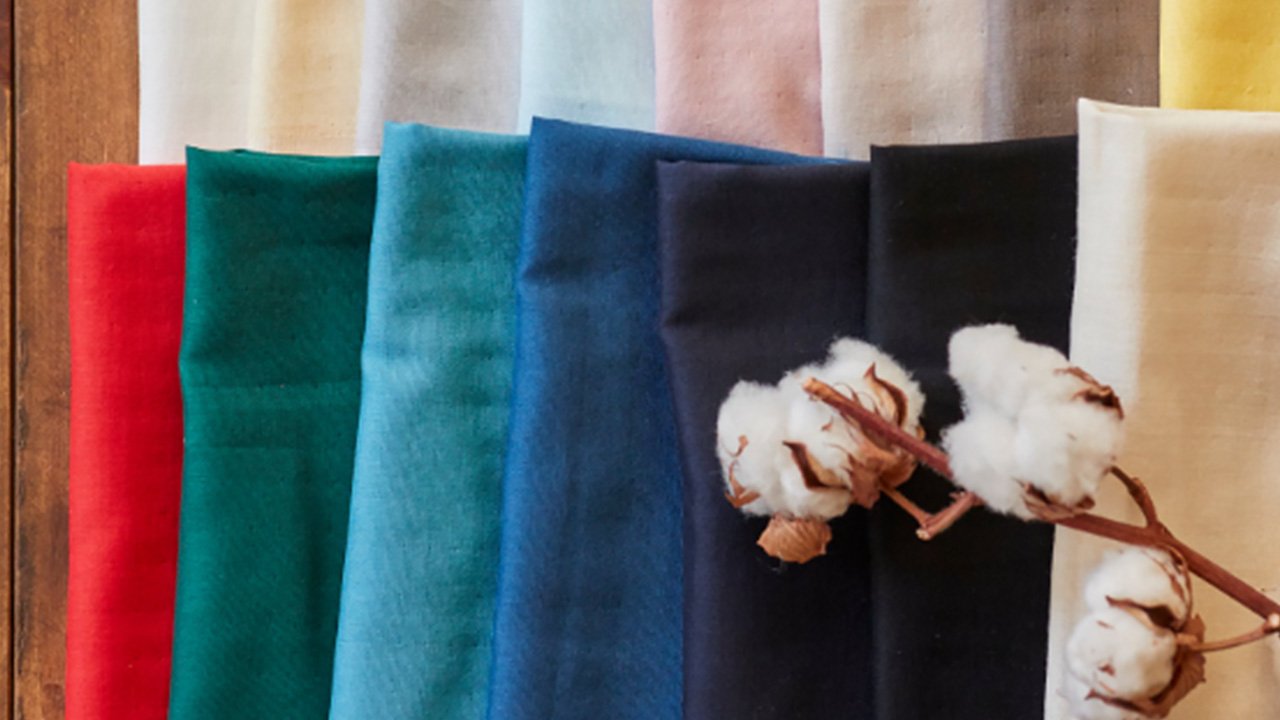
Pros of Organic cotton Material
- Durability: Because organic cotton grows in accordance with natural growth patterns, its internal fibers develop more fully and healthily, resulting in a denser overall structure. When crafted into bags for your projects, they can better withstand wear and tear, as well as the weight and strain of carrying everyday items such as laptops and cameras.
- Health: Since organic cotton is grown without the use of pesticides or chemical fertilizers, it contains no chemical residues, making it safer for your customers—especially those with sensitive skin or those caring for infants and young children. This significantly reduces the risk of skin irritation and allergies, thereby minimizing post-sale issues for your business.
- Environmental Sustainability: Organic cotton bags and other organic cotton products are produced without the use of any chemicals throughout the entire process, from cultivation to manufacturing. Additionally, used bags can be reprocessed into common cotton items such as towels, clothing, and curtains, thereby significantly enhancing environmental sustainability. Even if discarded in nature, they typically begin to break down within 3 to 6 months and eventually decompose completely into harmless substances.
Cons of Organic cotton Material
- Cost: Because organic cotton has stricter cultivation and growth requirements—the land must not have been treated with any chemicals for at least three years, soil fertility must be maintained through crop rotation and intercropping, and pest control and sorting during growth and harvesting must be done primarily by hand—it is more expensive than conventional cotton. However, this also makes bags made from organic cotton more popular in the high-end market.
- Production: Currently, global organic cotton production accounts for only 1–2% of total cotton production. Furthermore, because no chemical pesticides or herbicides may be used, the yield per plant is only 70–80% of that of conventional cotton. As a result, there are often shortages when sourcing raw materials (production data sourced from the “Organic Cotton Fact Sheet” published by OTA).
- Certifications: When manufacturing organic cotton bags, various certifications are required, including GOTS, Oeko-Tex Standard 100, OCS, and Eco-label. However, very few factories in the market hold these certifications; as a result, many suppliers in the market offer uncertified products while claiming they are organic in order to inflate prices.
Due to its high strength, excellent durability, and all-natural, pollution-free properties, organic cotton is ideal for crafting tote bags, drawstring bags, zipper bags, and cosmetic bags (designed to store skincare products and prevent cross-contamination) for use in high-end retail, gifting, and eco-conscious markets. For example, well-known brands such as Dior (the “Organic Cotton Yazu” collection), Burberry (Heritage Trench coat), and Saint Laurent (GOTS-certified tweed fabric) have all incorporated organic cotton into their product lines.
| Details about organic cotton. | |
| dimension | details |
| Raw material | 100% certified organic cotton (grown without chemical pesticides/fertilizers). |
| Advantage | Gentle on the skin, environmentally friendly, low allergenicity, good fiber resilience. |
| shortcoming | It is expensive, has a low unit output, and is difficult to dye. |
| Maintenance methods. | Wash by hand with mild detergent / machine wash on a gentle setting. |
| Types of bags that are suitable. | Tote bags, storage bags for baby and maternity products, eco-friendly shopping bags, lightweight backpacks. |
| Applicable scenarios. | Daily commutes, travel for mothers and children, eco-friendly markets, high-end retail. |
| Certification system. | GOTS、USDA Organic、Oeko-Tex Standard 100 |
| Degradability. | It can completely degrade within 1-5 years in a natural environment. |
| Organic cotton, load-bearing. | |
| Organic cotton specifications. | Loading capacity. |
| 210D | Approximately 3 to 8 kg. |
| 420D | Approximately 8-12 kg. |
| 600D | Approximately 12-20kg. |
Polyester – Practicality that’s Easier to Organize
Unlike natural canvas and organic cotton, polyester is a synthetic material produced by synthesizing paraxylene derived from petroleum with ethylene. As a result, compared to natural plant-based materials, synthetic polyester offers a wide variety of types, high strength, high production volume, and low cost. In the bag category, it is commonly used for the main body, functional coatings, and accessories, and polyester bags are very common in the market.
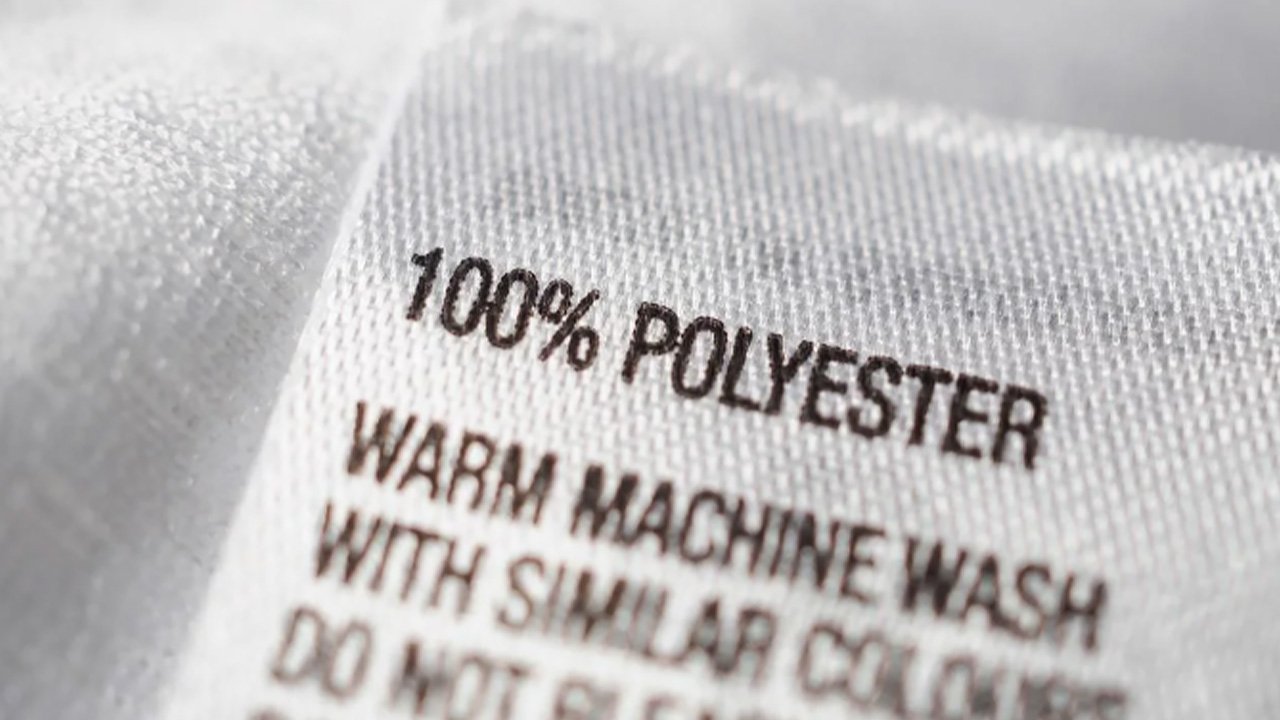
Pros of Polyester Material
- Multifunctional types: Polyester can be classified according to the focus of your project into ripstop polyester (tear resistance and durability), dobby polyester (a wide variety of patterns and designs), and microfiber polyester (quick – drying and heat – retaining functions). During the production of bags, through lamination and blending, it can be flexibly adapted to achieve the final product’s shape and add functions such as waterproofing, abrasion resistance, and softness.
- Wrinkle-resistant and durable: The molecular chains within the polyester material remain in a glassy state at temperatures below 70°C, giving the fibers high rigidity. As a result, bags made from this material will not develop unsightly wrinkles during daily use, such as when carried or moved around. Additionally, polyester’s high strength and abrasion resistance ensure that the bags retain their original shape even with long-term use (avoid exposure to open flames or high temperatures, as polyester is prone to deformation and wrinkling at temperatures above 70°C).
- Great Value: Due to polyester’s high production volume and low cost (combining affordability with strong durability), bags made from this material are often used as promotional gifts when brands are expanding into new markets.
Cons of Polyester Material
- Poor breathability: During the manufacturing process, the molecular bonds in polyester are too tightly packed, making it difficult for air to circulate through the material. As a result, polyester is less breathable than natural materials such as canvas and organic cotton, which were discussed earlier. However, this also makes polyester bags more resistant to wrinkles and more water-resistant.
- Environmental pollution: The process of refining and manufacturing polyester from petroleum consumes a significant amount of energy, and when these bags are discarded, the petroleum-derived components are not biodegradable. Therefore, both the production and recycling of polyester products have a negative impact on the environment.
Due to its abrasion-resistant and wrinkle-resistant properties, polyester is commonly used as the main or secondary fabric in the production of tote bags, backpacks, luggage, crossbody bags, and drawstring bags (covering virtually every category of bags), and enjoys long-term, stable sales in the business, school, outdoor, and sports markets. International brands such as Herschel, Thule, Converse, and Nike have also developed product lines leveraging polyester’s abrasion-resistant and durable characteristics.
| Polyester Details | |
| dimension | details |
| Raw material | Diisopropylbenzene and ethylene. |
| Advantage | Durable, resistant to tearing, easy to clean, quick-drying, wrinkle-resistant, and cost-effective. |
| shortcoming | Poor breathability, weak skin compatibility, and difficult to degrade naturally. |
| Maintenance methods. | Just avoid high temperatures. |
| Types of bags that are suitable. | Sports backpacks, waterproof tote bags, travel luggage bags, lightweight bags. |
| Applicable scenarios. | Daily commuting, outdoor hiking, fitness activities, travel, student/business daily life. |
| Certification system. | OEKO-TEX Standard 100、GRS |
| Polyester load-bearing capacity. | |
| Polyester specifications. | Loading capacity. |
| 210D | Approximately 5-10 kg. |
| 420D | Approximately 10-15 kg. |
| 600D | Approximately 15-25kg. |
| 1680D | Approximately 25-40kg. |
Nylon—The Top Choice for Durable and Reliable Materials
Like polyester, nylon is a synthetic material with versatile properties. When manufacturing bags, you typically need to choose from Cordura®, ripstop, ballistic, 420D, and 500D nylon based on your project’s specific requirements to meet its needs for abrasion resistance, tear resistance, and high load-bearing capacity.
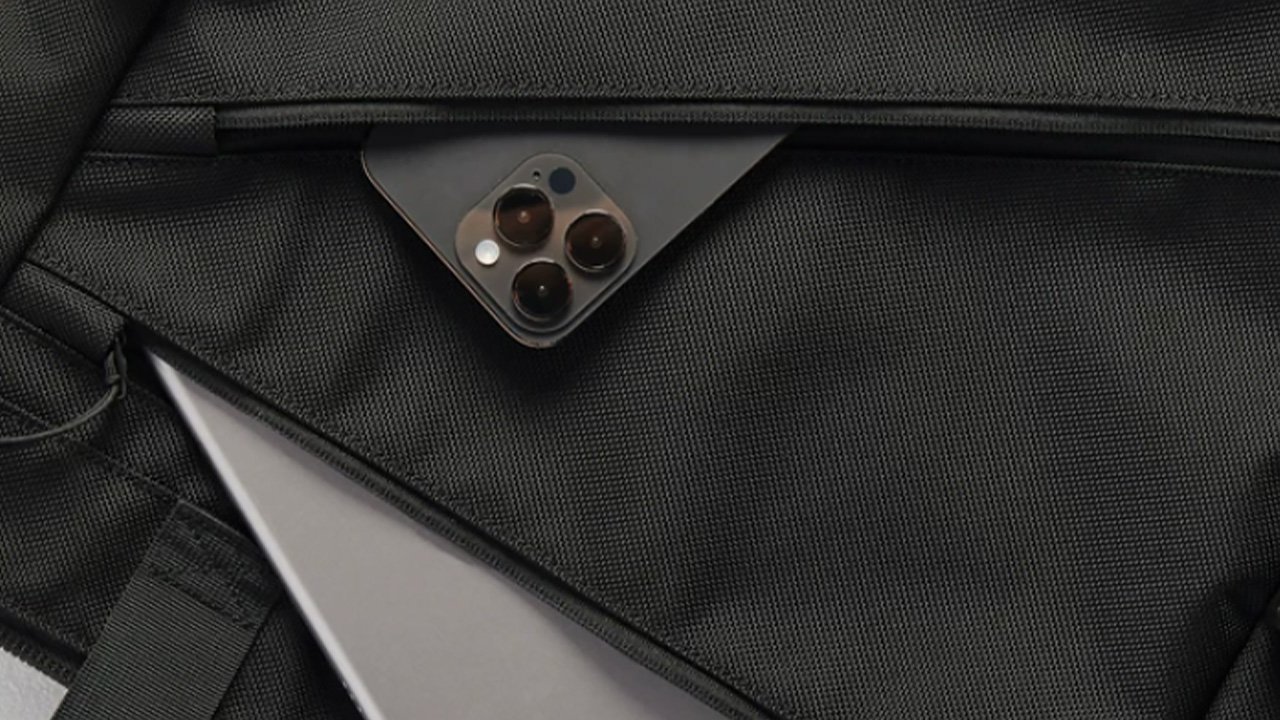
Various types of nylon
- Ripstop nylon: As the name suggests, this material features a grid-like pattern of reinforced threads woven into the nylon fabric, giving it exceptional tear resistance. It is commonly used in travel bags, hiking backpacks, and camping gear. Even if the fabric is cut or torn during outdoor use, its tear-resistant properties prevent the tear from spreading further, maintaining the bag’s structural integrity.
- Ballistic nylon: Designed with a focus on toughness and abrasion resistance, it has evolved from its origins in the military market to widespread use in the civilian market today. It is commonly used to make tactical bags, military gear, and luggage that is subject to rough handling.
- 420D and 500D Nylon: These are classified by denier. You can choose the denier that best suits your project when manufacturing bags. Simply put, materials below 500D prioritize lightweight construction, while those above 500D offer greater durability.
Pros of nylon Material
- Lightweight: The Daniel coefficient can be flexibly adjusted to meet your project requirements, reducing weight while maintaining strength
- Waterproofing: Nylon can be made less porous through high-density weaving, and its waterproof properties can be enhanced by applying PU, PVC, or ePTFE waterproof membranes to the surface (since nylon is hygroscopic, it is not inherently waterproof). Waterproof-treated nylon can achieve a water column resistance of 10,000–15,000 mmH₂O (meaning it can withstand the pressure of a 10–15-meter-high water column without leaking). Waterproof rating
- Durability: High-density nylon—such as the 1680D nylon tool bags commonly used at our 367bags factory—can withstand the friction caused by long-term use of tools like wrenches and screwdrivers for at least 365 days while remaining intact and free from wear-through.
Cons of nylon Material
- Misperceived as inexpensive: Because nylon offers a wide range of properties—including high abrasion resistance, tensile strength, tear resistance, and water resistance—it is widely used in outdoor, commercial, and home textile industries. However, due to its widespread availability in the market and the prevalence of nylon products rated at 500D or lower, consumers often mistakenly perceive nylon as a low-cost material.
- Cannot undergo natural biodegradation: Nylon is a synthetic material in which the internal polymers are tightly bound by chemical bonds. While this structure gives nylon its excellent properties, it also makes it difficult for enzymes secreted by microorganisms to penetrate the material, thereby hindering biodegradation.
Nylon’s exceptional durability makes it ideal for your projects involving the production of sports bags, tactical bags, outdoor bags, luggage, shopping bags, and large check-in bags—all of which require high-strength materials. Internationally renowned brands such as Adidas and Nike in the sports market, and Fendi and Celine in the fashion market, as well as military and police departments, frequently use nylon to develop their product lines.
| Nylon details. | |
| dimension | details |
| Raw material | Petroleum-based synthetic polyamide fibers. |
| Advantage | Durable, resistant to tearing, easy to clean, and can be made water-resistant through manufacturing processes. |
| shortcoming | Poor skin compatibility, difficult to degrade naturally, prone to aging from prolonged exposure to sunlight. |
| Maintenance methods. | No special maintenance required. |
| Types of bags that are suitable. | Sports backpacks, travel luggage bags, tactical bags, fitness bags. |
| Applicable scenarios. | Daily commuting, outdoor hiking, fitness activities, travel, military/security missions, industrial work. |
| Certification system.Certification system. | OEKO-TEX Standard 100、GRS |
| Nylon for load-bearing purposes. | |
| Nylon specifications. | Loading capacity. |
| 420D | Approximately 8-15kg. |
| 600D | Approximately 15-25kg. |
| 1000D | Approximately 25-40kg. |
| 1680D | Approximately 40-60 kg. |
Leather materials
Genuine Leather – A Classic at the Pinnacle of Materials
Leather has long been synonymous with fashion, luxury, and timeless elegance in the world of materials, and it is widely sought after across the globe—regardless of region, climate, or culture. The most distinctive feature of leather is that it is crafted from genuine animal hides, such as cowhide, sheepskin, and alligator skin, each of which boasts a unique grain, color palette, and tactile quality. When creating bags, the choice of leather is typically tailored to your brand and design aesthetic.
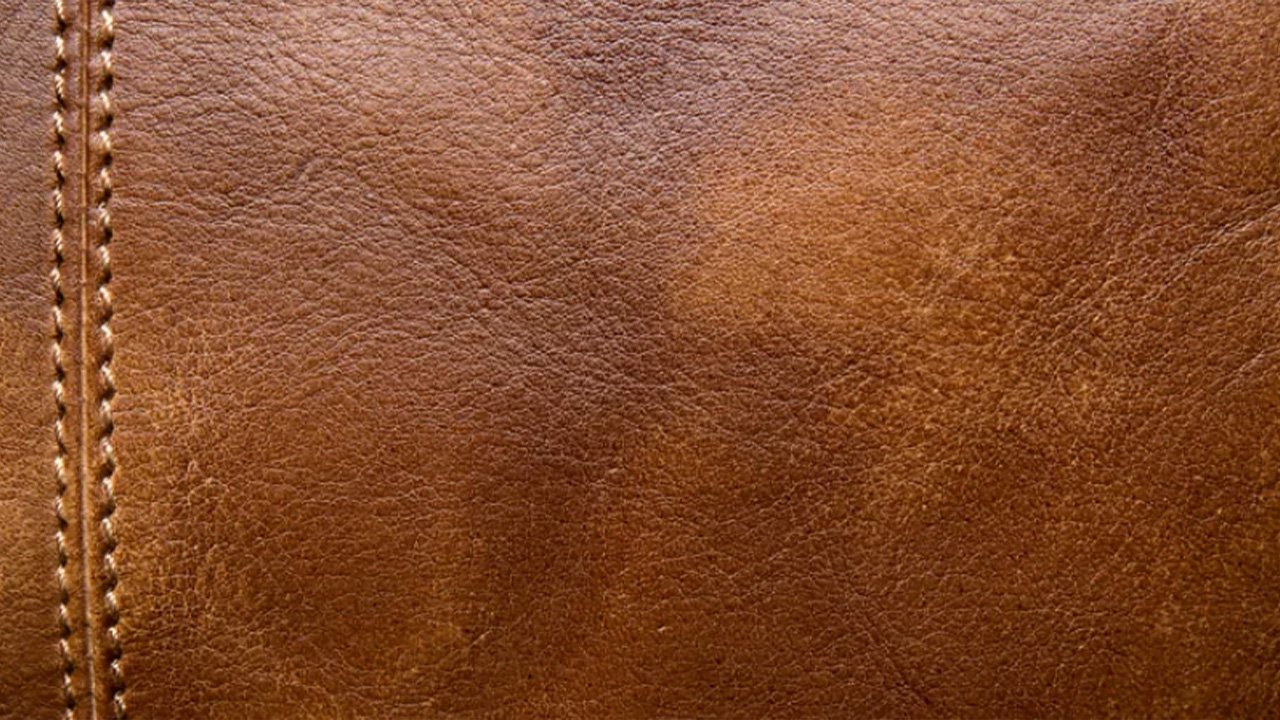
Multiple types of genuine leather
- Cowhide: Designed for durability, it is ideal for business bags, backpacks, and totes. Even with frequent daily use and wear, it can last 5 to 10 years (and even longer with proper care).
- Sheepskin: It has a softer texture than cowhide and feels smoother to the touch. It is commonly used to make women’s backpacks, tote bags, and wallets. Due to its softness, sheepskin typically lasts 3–5 years and should be protected from scratches.
- Alligator leather: Known for its distinctive raised texture, it is highly popular in business settings and among men, and is commonly used to make business-oriented items such as briefcases and laptop bags. It is more durable than cowhide and typically lasts for over 10 years.
- Lizard leather: Compared to other leathers, lizard leather features a more distinctive and eye-catching pattern. It is ideal for crafting wallets, card holders, makeup bags, and mini backpacks. The compact size of these items helps accentuate their refined, high-end aesthetic. Because lizard leather is relatively thin, its lifespan is typically 3–5 years, and it should be protected from excessive friction.
Cons of leather Material
- Higher cost: Genuine leather requires sourcing hides from animals, followed by complex processing (which varies depending on the type of leather), and market supply is significantly lower than that of synthetic materials; therefore, the overall cost of the material is higher.
- Prone to deformation: Prone to deformation: When carrying heavy loads for extended periods or subjected to uneven pressure, genuine leather bags are prone to stretching and deformation, which can affect their overall appearance (think of your own skin—the principle is the same).
- Complex maintenance: Almost all genuine leather bags require regular cleaning and maintenance, and are sensitive to humidity levels in storage areas. If not properly cared for, they are highly susceptible to cracking, aging, and biodegradation, which can make the entire bag look cheap.
- Animal Ethics: Since the slaughter of animals is an unavoidable part of the process of obtaining leather, virtually every genuine leather bag represents the death of an animal. As a result, while genuine leather products are popular worldwide, they have long been a subject of controversy.
The unique grain and luxurious texture of genuine leather are highly sought after in the business, high-end, and luxury markets, and are commonly used to craft briefcases, messenger bags, laptop bags, totes, clutches, and various small mini bags. Around the world, internationally renowned brands such as Hermès, Louis Vuitton, Gucci, and Prada continue to update their collections of genuine leather bags.
| Details about leather. | |
| dimension | details |
| Raw material | Leather, sheepskin, crocodile skin, lizard skin, snake skin, and others. |
| Advantage | Resistant to wear and tear, comfortable to the touch, high-quality finish, natural texture. |
| shortcoming | High price, complex maintenance, prone to deformation/cracking, poor environmental friendliness. |
| Maintenance methods. | Use a specialized leather cleaner to wipe it clean, apply conditioning oil periodically, avoid exposure to water, sunlight, and sharp objects that could scratch it. |
| Types of bags that are suitable. | Messenger bags, high-end handbags, tote bags, backpacks, clutch bags, mini bags. |
| Applicable scenarios. | Business office, commuting, dinner parties, travel. |
| Certification system. | Leather Working Group, EU Eco-Leather Certification |
| Leather quality classification. | Full-grain, sanded, second-layer leather. |
| Durability differences. | Crocodile leather (10+ years) > Cowhide (5-10 years) > Lamb/Lizard leather (3-5 years) |
| Leather durability. | |
| Leather specifications. | Loading capacity. |
| Standard thickness of leather. | Approximately 10-25kg. |
| Standard thickness of sheepskin. | Approximately 5-10 kg. |
| Standard thickness of crocodile leather. | Approximately 15-30kg. |
| Standard thickness of lizard skin. | Approximately 3 to 8 kg. |
PU Leather—The Top Choice for Genuine Leather Alternatives
The emergence of PU leather has provided an effective alternative to traditional genuine leather, which requires harming animals to obtain hides. Compared to genuine leather, PU offers an almost limitless variety of colors and textures, is water-resistant without requiring any additional treatment, and features consistent quality and affordability. Based on our analysis of sales data from B2B clients in over 40 countries worldwide, PU leather has now become the dominant material in most national markets.
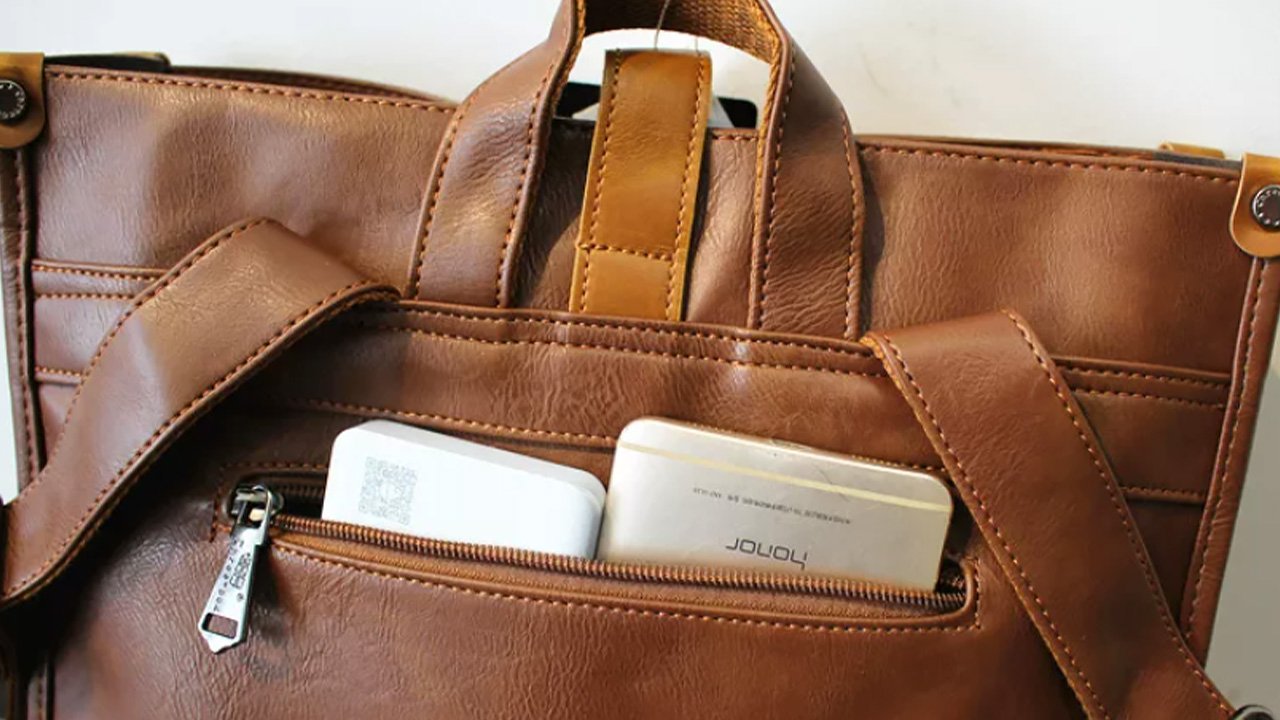
Pros of PU Leather Material
- Protecting Animals from Harm: PU leather replicates the texture of genuine leather by up to 95% and its feel by up to 90%. Since its introduction, it has significantly captured a large share of the traditional leather market (specifically the mid-range price segment, which previously consumed the most leather), thereby making an outstanding contribution to animal welfare.
- Virtually Unlimited Colors and Textures: As a synthetic material, PU leather offers a full range of Pantone colors and can be embossed with various patterns using templates. This means it can accommodate virtually any custom color or texture you desire for your bag projects, helping you stand out in a competitive market.
- Waterproofing: Due to the tight molecular structure of PU material, it inherently possesses a certain degree of water resistance. Depending on your project’s waterproofing requirements, a waterproofing agent can be applied, or added during the PU production process to achieve a waterproofing rating of 10,000–20,000 mmH₂O (capable of withstanding direct exposure to heavy rain while keeping the interior dry).
- Great Value: Compared to animal leather, PU leather is more affordable, making it a more appealing choice for customers when it comes to bags sold on the market.
Cons of PU Leather Material
- Poor breathability: The tight molecular bonds within PU provide excellent waterproofing but result in poor breathability. If your project primarily involves making bags, this lack of breathability will have virtually no impact.
- Environmental pollution: Since PU is a petroleum-based product, it cannot be naturally degraded by microorganisms in the environment; disposing of it improperly can cause environmental pollution.
Thanks to its appearance, which closely resembles genuine leather, as well as its superior durability, lightweight nature, water resistance, affordability, and full customizability compared to animal leather, PU is now widely used in handbags, briefcases, totes, commuter bags, backpacks, and sports bags, dominating the mass-market, student, and fast-fashion consumer sectors. Although consumers generally do not consider PU to be leather, it has gained widespread acceptance due to the influence of PU bags from internationally renowned brands such as ZARA, H&M, and Charles & Keith.
| Details about leather. | |
| dimension | details |
| Raw material | Petrochemical-based polyurethane. |
| Advantage | Low cost, diverse colors and textures, excellent water resistance, easy to clean, highly capable of mimicking the feel of genuine leather. |
| shortcoming | Poor breathability, prone to aging and cracking over time, and unable to degrade naturally. |
| Maintenance methods. | No special maintenance is required; simply wipe it with a damp cloth. |
| Types of bags that are suitable. | Business briefcases, tote bags, handbags, student backpacks, sport and leisure bags. |
| Applicable scenarios. | Business office, commuting, campus life, travel. |
| Certification system. | OEKO-TEX Standard 100、REACH |
| Authenticity of faux leather. | The texture of genuine leather can be accurately reproduced to 95%, and its feel can be replicated to 90%. |
| Leather durability. | |
| Leather specifications. | Loading capacity. |
| Standard lightweight PU. | Approximately 3 to 8 kg. |
| Thick, wear-resistant PU material. | Approximately 8-15kg. |
| Outdoor waterproof version with PU material. | Approximately 15-20 kg. |
Vegan Leather: An Innovative Material That Saves Animals and Replaces Polluting Synthetics
While PU and PVC leather address animal welfare concerns, the emergence of vegan leather solves the environmental pollution issues associated with chemically synthesized leathers like PU and PVC, thereby enhancing environmental sustainability. Vegan leather can replicate the texture of genuine leather up to 90% and its tactile feel up to 85%. It also features unique natural textures, is lighter and more breathable, and offers a wide range of color options to suit the specific needs of your bag projects.
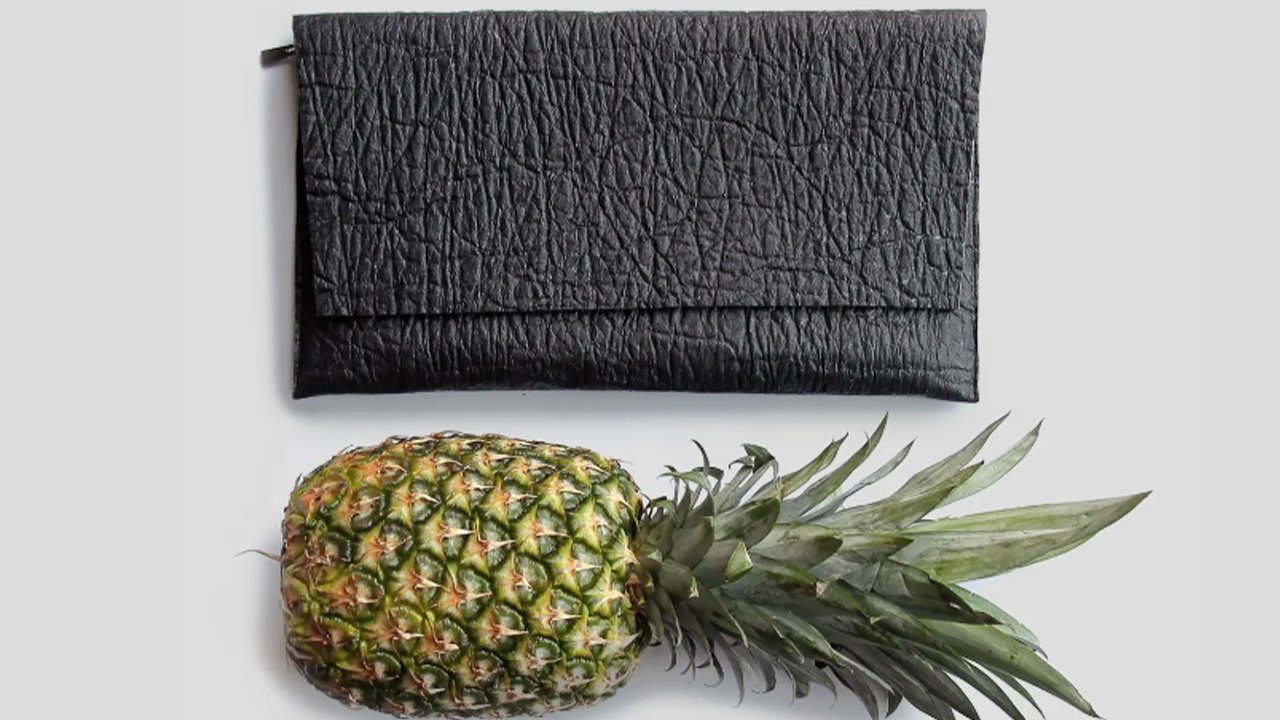
Pros of Vegan leather Material
- Eco-friendly and sustainable: Vegan leather is made from mushrooms (mycelium), pineapples (pineapple leaf fibers), apples (apple peels), cacti, and hemp plants. Through fiber extraction and processing, the final product closely resembles animal leather in both quality and texture. Compared to petroleum-based synthetic leather, it can undergo natural microbial degradation after disposal, thereby contributing to environmental protection.
- Easy to maintain: Vegan leather offers durability and stability comparable to synthetic leather and is water-resistant, so it requires no special care. Simply wipe it down with a damp cloth to keep it clean.
Cons of Vegan leather Material
- There are significant differences in quality and durability: Similar to genuine animal leather, the properties of leather made from different animals or plants vary considerably. For example, pineapple leaf leather emphasizes durability, mushroom leather emphasizes flexibility, and apple leather emphasizes lightness and thinness (see the characteristics of various plant-based leathers for reference).
- Higher price than synthetic leather: Currently, the production of vegan leather requires precise control over mycelium cultivation conditions and the extraction of fibers from various plants, making the overall process relatively complex. As a result, it is more expensive than synthetic leather; however, as the process matures, overall costs will decrease, and the final price will eventually be lower than that of synthetic leather.
The emergence of vegan leather has not only enhanced environmental sustainability but also offers overall durability, lightness, and water resistance comparable to synthetic leather. It is commonly used to craft totes, crossbody bags, handbags, clutches, and wallets. Following the launch of Stella McCartney’s Falabella handbag collection, Hugo Boss’s vegan leather bags, and Louis Vuitton’s sneakers, vegan leather has become a hot trend in both the high-end and youth markets.
| Details about leather. | |
| dimension | details |
| Raw material | Plant-based (pineapple leaf fiber, apple peel), fungal mycelium. |
| Advantage | 100% plant-based, eco-friendly and sustainable, diverse textures/colors, some products feature breathable and flexible materials. |
| shortcoming | There are significant differences in durability, and natural degradation can occur. |
| Maintenance methods. | Use a damp cloth to gently clean it. |
| Types of bags that are suitable. | Tote bags, cross-body bags, handbags, clutch bags, wallets. |
| Applicable scenarios Applicable scenarios | High-end fashion combinations, eco-friendly themed events, work and commuting. |
| Certification system. | EU Ecolabel, PETA Vegan Certification, OEKO-TEX Standard 100. |
| Authenticity of faux leather. | The texture fidelity can reach 90%, and the tactile fidelity can reach 85%. |
| Leather durability. | |
| Leather specifications. | Loading capacity. |
| Plant-based (pineapple fiber). | Approximately 8-15kg. |
| Mushroom base. | Approximately 5-10 kg. |
Cork Leather—An Innovative Material That Supports Environmental Sustainability
Cork leather is made from the bark of the cork oak tree, allowing for the harvesting of raw materials without cutting down or harming the trees, and enabling sustainable, renewable harvesting. Once processed into thin sheets, cork leather has a texture similar to leather—it is extremely soft and offers durability and water resistance. When creating your bag projects, you can dye it using Pantone color codes as needed to maintain your brand’s unique identity.
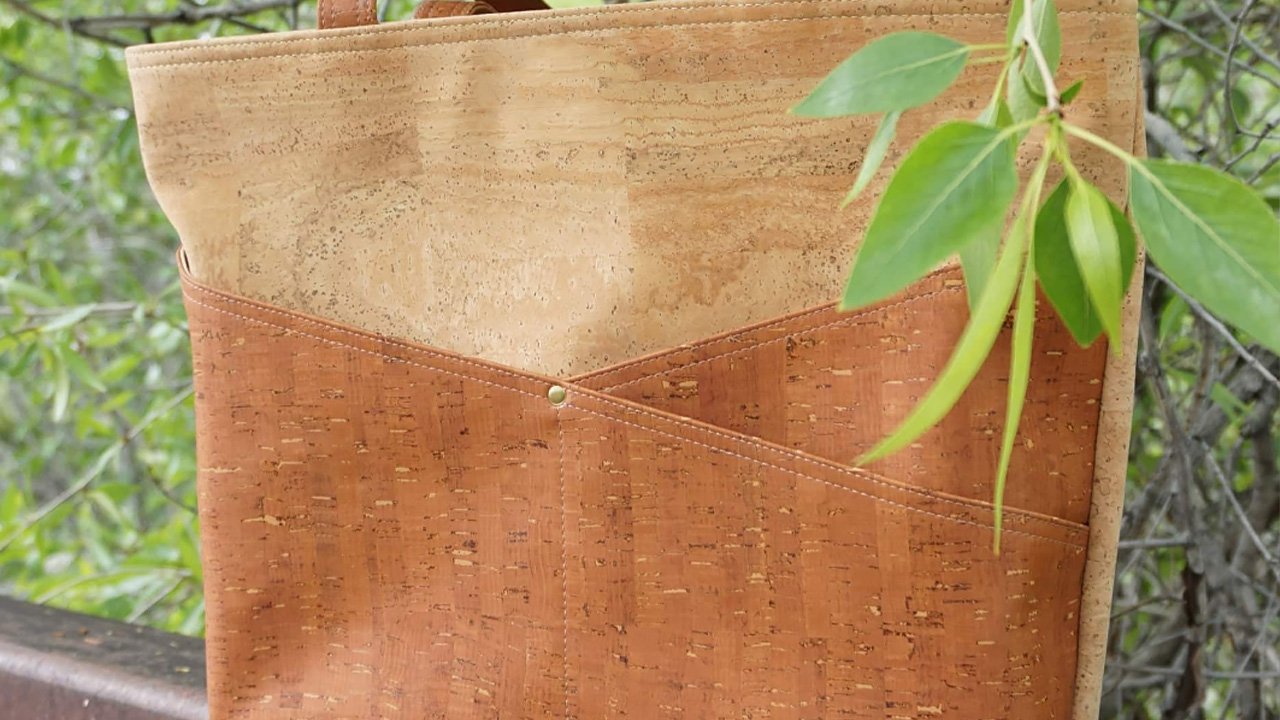
Pros of Cork Leather Material
- 100% natural and renewable: The raw materials are obtained without harming the oak trees. The harvested trees can continue to absorb carbon dioxide and can be harvested again after they complete their growth cycle. Cork leather can almost be called a 100% natural and renewable resource.
- Water-resistant and antibacterial: Even after being processed into leather, it retains the tree’s natural water-resistant, durable, and antibacterial properties, making it ideal for people with leather allergies when crafted into bags.
Cons of Cork Leather Material
- Lower durability: Because it is made from tree bark, it is less durable than animal leather and cannot be made as thin as other types of leather. Repeated folding along the same crease over time may cause it to crack (similar to conventional tree bark).
- Bag Design Limitations: Due to the natural structure of the wood, not all bag designs can be used in the bags project (we tend to favor rigid bags, etc.)
Thanks to its natural water-repellent, antimicrobial, and durable properties, as well as its 100% sustainable and eco-friendly nature, cork leather is ideal for use in handbags, clutches, crossbody bags, and other conventional hard-leather-style bags. It has been adopted by brands such as Corkor, Portuguese Cork, and Corkcicle for use in their long-term product lines.
| Details about leather. | |
| dimension | details |
| Raw material | Oak tree bark. |
| Advantage | Environmentally friendly, water-resistant, antibacterial, features unique texture, excellent breathability. |
| shortcoming | Poor flexibility, limited packaging capabilities. |
| Maintenance methods. | Use a damp cloth to gently clean it. |
| Types of bags that are suitable. | Cross-body bag, handbag, clutch bag, wallet. |
| Applicable scenarios. | High-end fashion combinations, eco-friendly themed events, work and commuting. |
| Certification system. | EU Ecolabel, PETA Vegan Certification. |
| Leather durability. | |
| Leather specifications. | Loading capacity. |
| Standard lightweight version. | Approximately 3 to 8 kg. |
| Thickened version. | Approximately 5-12 kg. |
Functional materials
Cordura—a high-performance, high-strength material
Cordura® is a high-strength nylon fabric. Due to its excellent tear resistance, abrasion resistance, light weight, and water-repellent properties, it is commonly used as a functional material in the manufacture of heavy-duty bags for outdoor, military, and camping applications.
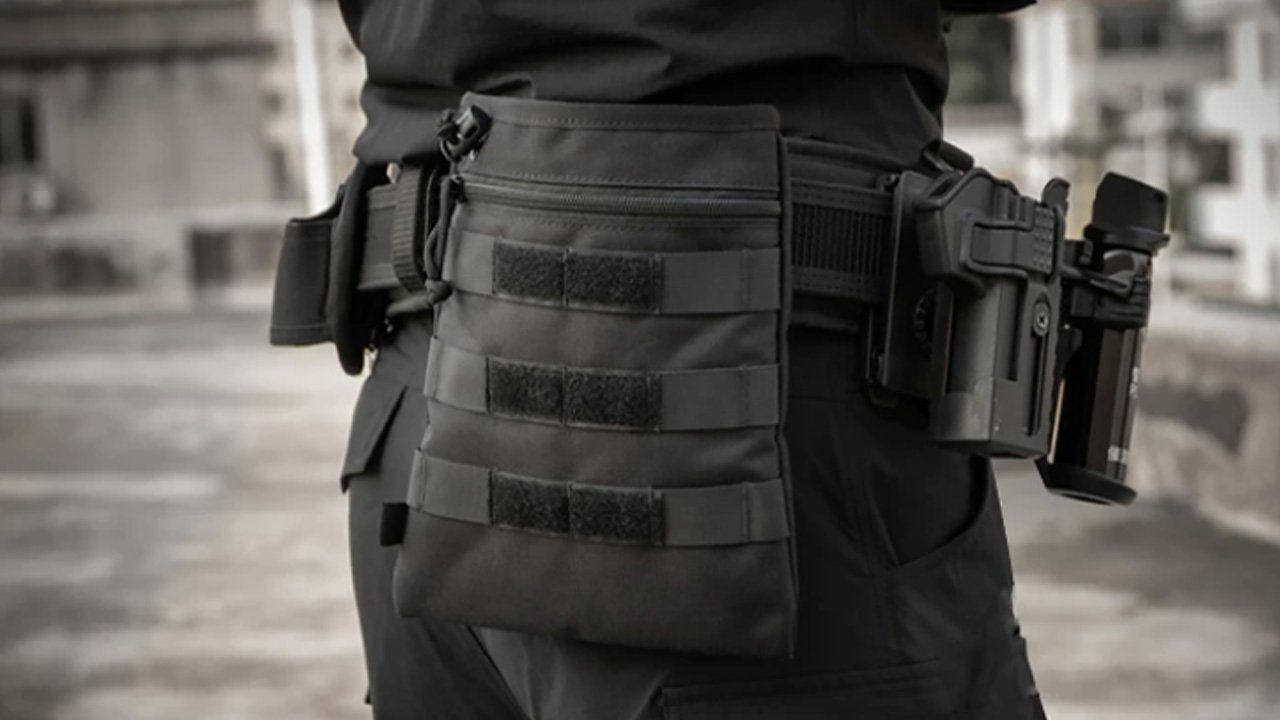
Pros of Cordura® Material
- Abrasion and Tear Resistance: Cordura® can be customized with varying denier strengths to meet specific requirements for abrasion and tear resistance, enabling the creation of durable military and civilian gear—including luggage, transport bags, and commuter bags—that meet your project needs (1000D Cordura® can withstand ≥100,000 abrasion cycles).
- Waterproof and Antibacterial: If your project is located by the sea or will be exposed to outdoor conditions for extended periods, Cordura® fabric—with its tight weave and polyurethane coating—offers excellent water resistance and quick-drying properties (water column resistance ≥15,000 mm). This keeps the inside and outside of your backpack dry, preventing mold and rot.
- Easy to clean: This special nylon material retains its shape and color even after prolonged exposure to sunlight and friction on muddy surfaces, so it can be easily wiped clean without any complicated maintenance.
Cons of Cordura® Material
- Poor breathability: Virtually all materials designed to be abrasion-resistant and waterproof perform poorly in terms of breathability. Cordura® is no exception; it tends to trap heat during prolonged use. However, as a bag manufacturer with 21 years of experience, we incorporate a honeycomb breathable panel on the back of our Cordura backpacks to prevent direct contact with the back, thereby enhancing comfort.
- Initially stiff to the touch: Compared to other fabrics, cotton, leather, and similar materials, new Cordura® fabric feels relatively stiff and is less comfortable against the skin. However, it softens with use and develops a personalized fit (when customers question whether the product has been used during sales, this characteristic can be used to support the claim).
Cordura® is widely popular in the outdoor, military, tactical gear, and everyday commuter bag markets due to its exceptional protection against sharp objects and harsh weather conditions, and is used by internationally renowned brands such as The North Face and Jansport in their product lines.
| Cordura® Details | |
| dimension | details |
| Raw material | High-strength nylon fibers. |
| Advantage | Extremely durable, resistant to tearing, lightweight, resistant to punctures, and can enhance water resistance through the use of polyurethane. |
| shortcoming | Poor breathability, initially feels stiff, and relatively expensive. |
| Maintenance methods. | Use a damp cloth to gently clean it. |
| Types of bags that are suitable. | Tactical backpacks, hiking backpacks, commuter bags, workwear bags. |
| Applicable scenarios. | Outdoor hiking/mountaineering, tactical gear, daily commuting, workwear-inspired outfits. |
| Certification system. | OEKO-TEX Standard 100 |
| Cordura® Load-bearing. | |
| Cordura® Specifications | Loading capacity. |
| 330D | Approximately 8-15kg. |
| 500D | Approximately 15-20 kg. |
| 1000D | Approximately 20-30 kg. |
Waterproof TPU—A High-Strength Performance Material
In the production of various types of bags, waterproof TPU is primarily used as a supplementary material to enhance the product’s water resistance, oil resistance, abrasion resistance, and chemical resistance, rather than being used directly in the manufacturing process.
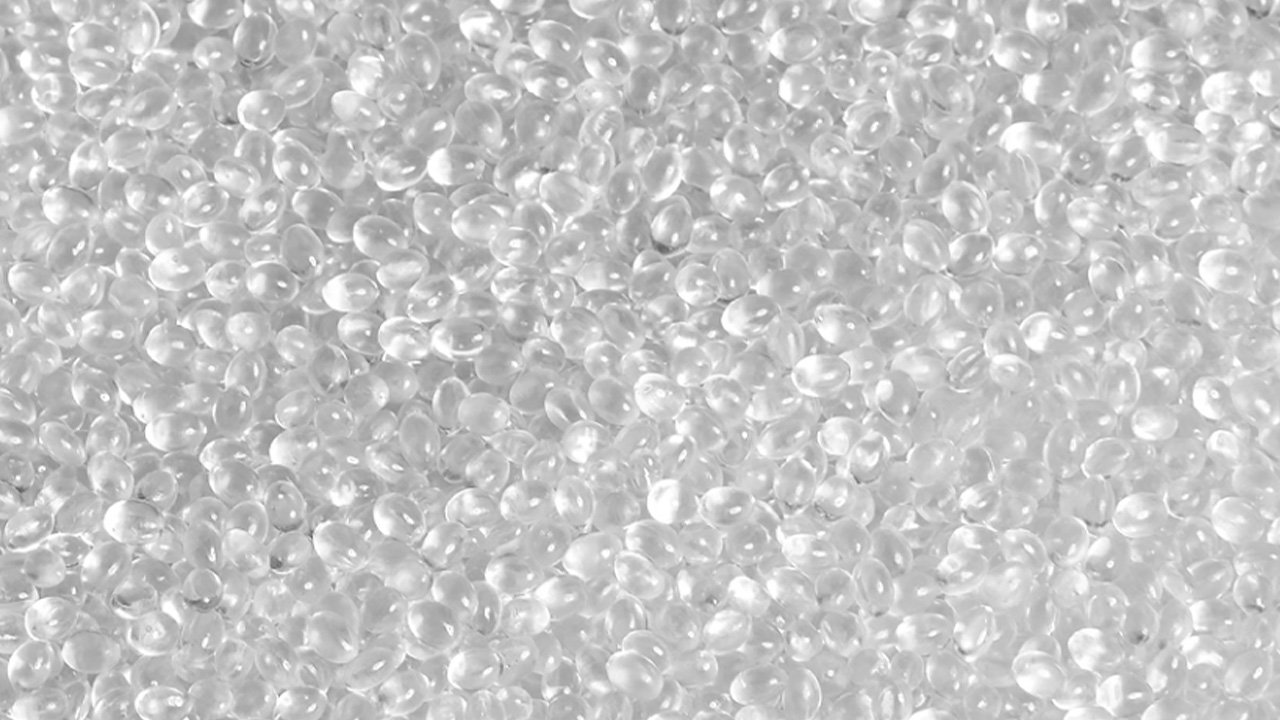
Pros of Waterproof TPU Material
- Flexibility and Elasticity: Thanks to its excellent flexibility and elasticity, TPU can be molded into various shapes and retains its original form even after being stretched or bent during use. During bag production, TPU can be applied to the surface to enhance protection based on your project’s specific use case (by heat-pressing, gluing, or directly bonding liquid TPU to the bag’s surface).
- Waterproof and Antibacterial: The tightly bonded molecular structure of TPU creates a natural protective barrier that repels water upon contact, causing it to form droplets that roll off the surface and preventing penetration. (TPU provides 100% waterproof protection.)
- Easy to clean: Waterproof TPU offers excellent protective properties, so you can simply wipe it down with a damp cloth or rinse it with water to keep it clean during daily use.
Cons of Waterproof TPU Material
- Poor heat resistance: TPU can be applied to the surfaces of various items using a heat-pressing process; however, this very characteristic causes TPU to soften and deform when exposed to high temperatures (when continuously exposed to temperatures above 80°C). However, there is no need for concern when using it to manufacture standard bags.
- Poor breathability: To ensure excellent waterproofing and abrasion resistance, the molecular bonds within the TPU are tightly packed, which results in poor overall breathability (similar to the feeling of wearing a raincoat). However, this characteristic has virtually no impact on the bag industry.
TPU can be used on the surfaces and inner linings of virtually any product across any industry, enhancing properties such as water resistance and abrasion resistance. In the bag industry, it is commonly used to manufacture waterproof backpacks, dry bags, waterproof phone pouches, and storage bags (achieving IPX8 water resistance) and has garnered widespread acclaim in the outdoor and extreme sports markets. For example, well-known brands such as Nok (whose TPU-based phone waterproof pouches can withstand pressure at depths of 40 meters), Overboard, and Sealline have incorporated TPU directly or integrated it into their long-term product development.
| TPU details. | |
| dimension | details |
| Raw material | Thermoplastic polyurethane. |
| Advantage | 100% waterproof, high elasticity, resistance to low temperatures, strong toughness, easy to heat-seal and join. |
| shortcoming | High temperatures can cause deformation, poor breathability, and high manufacturing costs. |
| Maintenance methods. | Use a damp cloth to gently clean it. |
| Types of bags that are suitable. | Waterproof backpacks, drying bags, phone waterproof pouches, moisture-proof storage bags, and various types of bag attachments. |
| Applicable scenarios. | Outdoor hiking/mountaineering, water sports, commuting in the rain. |
| Certification system. | OEKO-TEX Standard 100, IPX waterproof rating certification. |
| Common forms. | Coating (applied to the surface of the fabric), film (composite fabric), standalone injection-molded components. |
| TPU load capacity. | |
| TPU specifications. | Loading capacity. |
| Independent TPU waterproof bag. | Approximately 3 to 8 kg. |
| TPU coated fabric bag. | Approximately 5-15 kg. |
| TPU film composite packaging bags. | Approximately 10 to 20 kg. |
What do the material parameters in the text represent?
Denier (D) — A unit of measurement for the thickness of fabric fibers
In industrial applications, denier is commonly abbreviated as “D.” Simply put, it is primarily used to measure the density of a fabric. Generally speaking, a higher denier value indicates thicker fibers, resulting in a fabric that is typically heavier and more durable, though its weight will also increase accordingly. Conversely, a lower denier value yields the opposite results.
.jpg "Denier(D)")
The standard definition of the data is: the weight in grams of 9,000 meters of fiber. For example:
| Denier value. | length | Weight per unit. | conclusion |
| 1000D | 9000 M | 1000 g | The fibers are thicker and more abrasion-resistant. |
| 500D | 9000 M | 500 g | The fibers are relatively fine and more lightweight. |
Common applications of fabrics with specific denier ratings in the bags industry:
| Denier value. | Characteristics of thickness and fineness. | Bag category. | Applicable scenarios. |
| 150D-330D (lightweight) | The fibers are fine and the weight is extremely light. | Foldable shopping bags, phone cases, card holders, ultra-thin notebook inner sleeves, lightweight backpacks, canvas patchwork tote bags, travel toiletry bags for short trips. | Daily commuting, short trips. |
| 500D (Balanced) | The thickness is just right, balancing durability with weight. | Backpacks, laptop bags, cycling bags, camping utility bags. | Work-related travel, short-term trips outdoors. |
| 840D (highly wear-resistant) | Thicker than 500D, enhanced wear resistance. | Medium-sized backpack, workwear messenger bag, photographic equipment bag (light protection). | Outdoor travel, carrying office-related equipment and gear. |
| 1000D (high wear resistance) | The fibers are coarse, thick, and durable. | Tactical pack, hiking backpack, outdoor camping bag, tool storage bag. | Extreme outdoor conditions/harsh environments. |
| 1680D (super-durable) | The fibers are extremely coarse and have high hardness. | Industrial repair tool kit, heavy-duty camping equipment bag, long-distance off-road backpack, material transport bag. | Extremely durable/high-load applications. |
GSM—Fabric weight
In the materials industry, “Grams per Square Meter” is abbreviated as “GSM” to denote fabric weight. Unlike denier, GSM is used to indicate the thickness of fabrics such as cotton and nylon; a higher GSM value indicates a thicker fabric with greater density (GSM values can be used to assess a fabric’s durability, texture, and weight), while a lower value indicates a thinner fabric with lower density.
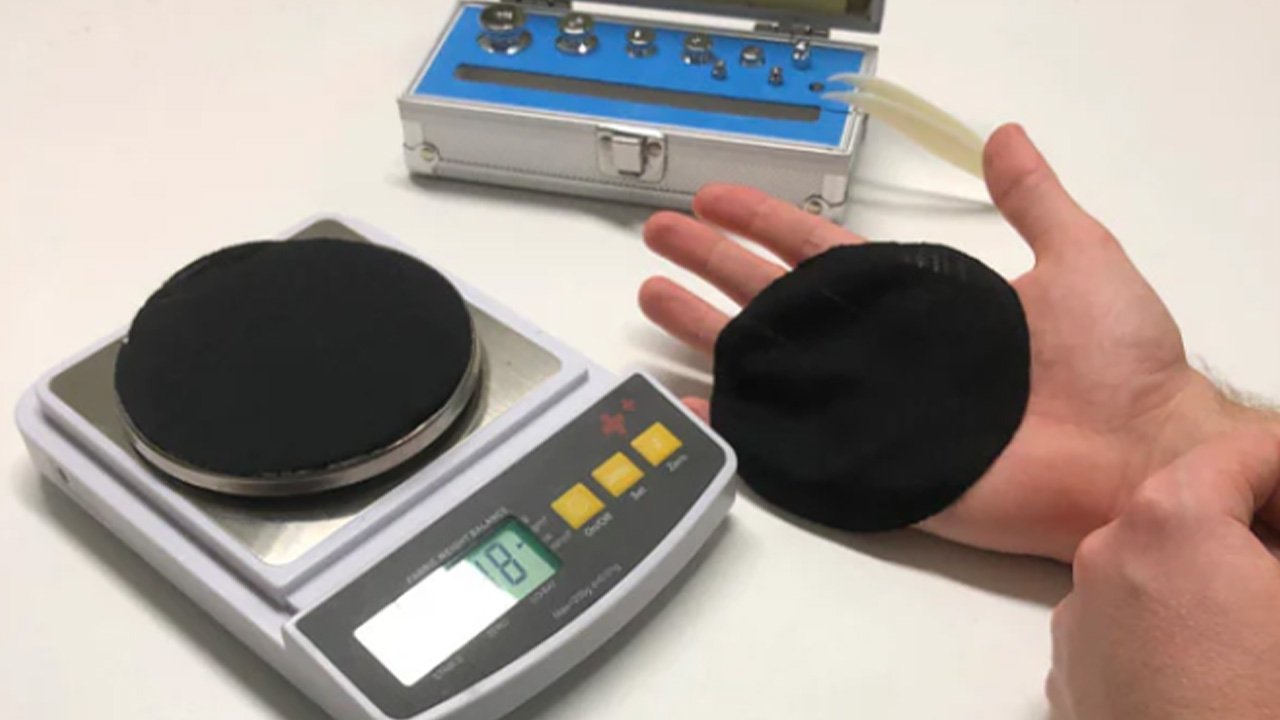
The standard definition of this data is: the weight of the fabric per square meter (in grams). For example:
| Material Science | area | GSM value. | conclusion |
| cotton | 1㎡ | 200GSM | Low density, lightweight. |
| canvas | 1㎡ | 300GSM | High density, highly wear-resistant. |
Common applications of fabrics corresponding to GSM values in the bag industry:
| GSM value. | Characteristic | Bag category. | 适用场景 |
| 150-200 GSM (lightweight) | The fabric is extremely thin and lightweight. | Laptop sleeve, card holder, phone case, foldable storage bag. | Regular commuting to and from work, short trips. |
| 200-300 GSM (medium-thin) | The thickness is moderate, and the softness is high. | Canvas tote bag, toiletry bag, backpack. | Work commutes, outdoor camping. |
| 300-400 GSM (medium-thick) | The fabric is thick and has good stiffness. | Canvas backpack, laptop bag, postal worker’s bag. | Daily commutes, short business trips. |
| 400-500GSM (thick version). | The fabric is rigid and has high density. | Tool kits, outdoor backpacks, workwear bags. | Outdoor exploration, tool storage. |
| 500-600 GSM (super thick) | The fabric is thick and highly abrasion-resistant. | Tactical bag, industrial material bags, camping bags. | Extremely heavy loads, harsh environmental conditions. |
Which materials work best for making bags?
When selecting materials for bags, you should choose based on your project requirements and the characteristics of the materials; there is no single material that is universally superior.
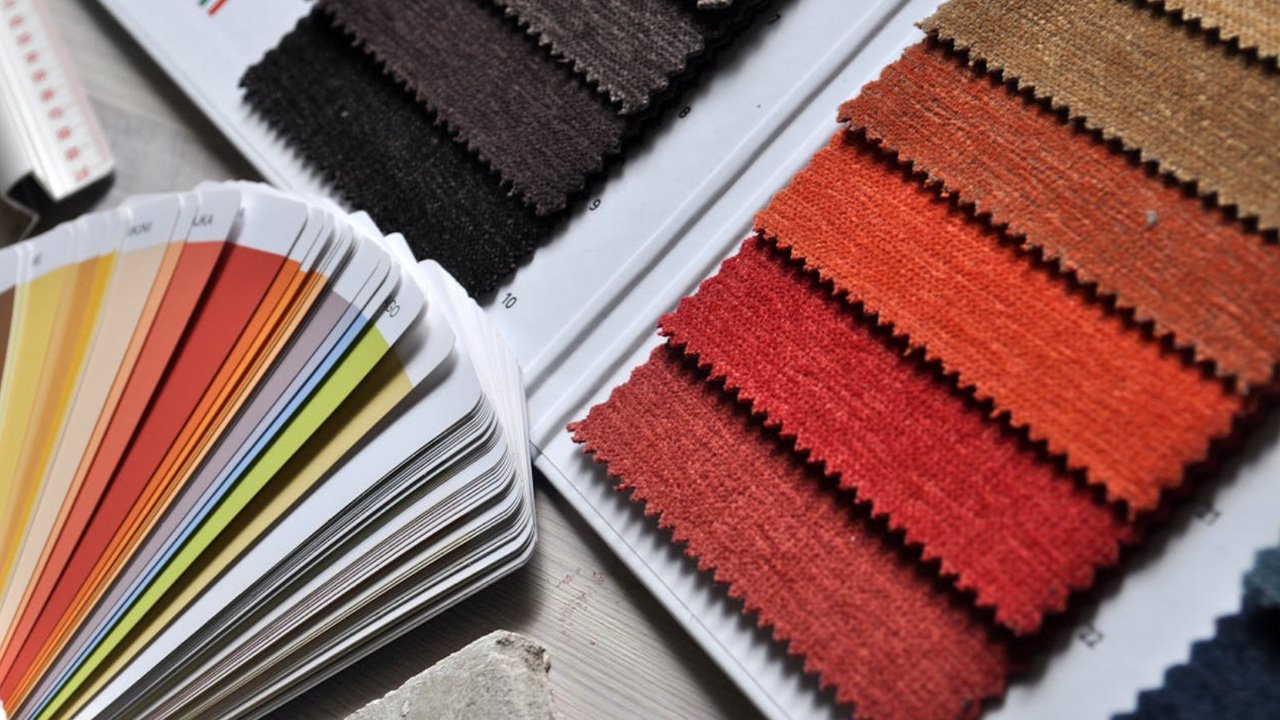
Canvas vs. Cotton: A Quick Comparison
The fundamental difference between cotton and canvas is that cotton is a natural fiber extracted from cotton plants and used in the production of cotton fabrics; it is also one of the raw materials used to make canvas.
| dimension | cotton | canvas |
| texture of timber | 100% natural cotton fibers (or a blend of cotton). | Predominantly made of cotton fibers (may contain blends of linen/synthetic fibers). |
| Weave | Plain weave / knitted fabric; the texture is relatively loose. | Smooth/woven with a twill pattern; tightly woven, with thick yarns and a robust texture. |
| texture | Soft and delicate, with faint textures (on the surface). | Rough and clear, with distinct weaving patterns (on the surface). |
| weight | Lightweight (predominantly 150-300 GSM). | Heavy (predominantly 300-600 GSM) |
| Advantage | Breathable, skin-friendly, soft, and eco-friendly. | Highly resistant to wear and tear, capable of withstanding heavy loads. |
| shortcoming | Prone to wrinkling and deformation, poor wear resistance, and inadequate load-bearing capacity. | The texture is relatively stiff and its breathability is weaker than that of pure cotton. |
| Durability. | weak | strong |
| Customizability | Available for printing and dyeing. | Available for printing and embroidery. |
| Available in the bags category. | Tote bags (lightweight), maternity bags, eco-friendly shopping bags. | Tool bag, outdoor backpacks, postman bags. |
Polyester vs. Nylon: A Quick Comparison
Both materials fall under the category of synthetic fibers, but because their compositions and design priorities differ, they are suited for different environments. Nylon bags are better suited for outdoor adventures, while polyester bags are better suited for lightweight travel.
| dimension | Polyester | nylon |
| texture of timber | Synthetic fibers produced through the condensation of an organic dicarboxylic acid and a diol (derived from petroleum). | Synthetic fibers derived from lactam/diacid diamine copolymerization (petroleum extraction). |
| Weave | Smooth weave / knitted fabric, fine yarn. | Flat weave / twill weave; yarns can be thick or thin. |
| texture | The surface is smooth and has a strong sheen. | The surface is smooth, and when rubbed, it has a “sandy” sensation. |
| weight | Lightweight (predominantly 100-300 GSM). | Medium (predominantly 200-400 GSM). |
| Advantage | Anti-wrinkle, sun-resistant, and affordable. | Abrasion-resistant, soft, elastic, moisture-absorbing. |
| shortcoming | Poor moisture-absorbing properties; relatively stiff. | Prone to wrinkles; afraid of direct sunlight. |
| Durability. | in | strong |
| Customizability | Available for printing and dyeing. | Available for printing and embroidery. |
| Available in the bags category. | Commuter bags, tote bags, storage bags. | Hiking backpacks, tactical backpacks, tool bag. |
Genuine Leather vs. PU: A Quick Comparison
The main difference between the two lies in how they are obtained: genuine leather requires harming animals to obtain the raw materials, while PU is a synthetic material that, although it does not involve harming animals, causes environmental pollution during production and disposal.
| dimension | Genuine leather | PU |
| texture of timber | Natural fabrics made from processed animal hides (cowhide/sheepskin, etc.). | A synthetic, man-made imitation leather material made from polyurethane. |
| Weave | Non-woven process (natural). | Kevlar + coating composite structure. |
| texture | Natural irregular textures; random with subtle variations. | Uniform texture; the pore pattern is neatly arranged. |
| weight | Medium (leather with an approximate GSM of 400-600). | Lightweight (approx. 200-400 GSM). |
| Advantage | Breathable, high-quality texture, durable. | Affordable price, water-resistant, easy to clean. |
| shortcoming | Maintenance is complex, prone to moisture/cracking, and expensive. | Poor breathability, prone to peeling, and lacks substance. |
| Durability. | Strong (well-maintained, can last for over 10 years). | Weak (typically 1–3 years). |
| Customizability | Ideal for embossing. | Available for printing and dyeing. |
| Available in the bags category. | High-end handbags, messenger bags, backpacks. | Affordable fashion bags, waterproof bags of various bag. |
Analysis of the Bags Project’s Characteristics and Recommended Material Selection
Retail Market Segments:
- Economy Market: Bags sold in the Economy Market are generally priced affordably and often come with discounts. When selecting materials, the focus is on affordable yet durable options such as polyester, PU, and standard nylon.
- High-end Market: Customers in this segment are primarily business professionals who prioritize quality and durability when purchasing bags, while some also seek a sense of luxury. Materials typically include genuine leather such as cowhide and sheepskin, high-count cotton canvas, and nylon with a denier rating of 1,000 or higher—all of which convey a premium feel.
- Eco-friendly Market: When making a selection, the first consideration should be the eco-friendly properties of the materials. The focus is primarily on naturally biodegradable materials such as organic cotton and vegan leather.
| A brief overview of material recommendations based on market categories. | |||
| Retail market categorization. | Core requirements. | Recommended Materials | Compatibility with bag types. |
| Economic markets. | Affordable, durable. | Polyester fiber, PU, standard nylon. | Commuter bags, student backpacks, foldable shopping bags. |
| High-end market. | High-quality finish, excellent durability. | Genuine leather, high-thread-count cotton canvas, 1000D or higher nylon. | Luxury leather bags, messenger bags, high-end outdoor backpacks. |
| The environmental protection market. | Environmentally friendly, biodegradable. | Organic cotton, vegan leather. | Eco-friendly shopping bags, baby and maternity storage bags, bags promoting sustainable practices. |
Brand-specific categories:
- Supermarkets: When manufacturing bags, a distinction must be made between general-purpose shopping bags and grocery bags. For general-purpose shopping bags, the primary materials selected are durable and reusable options such as non-woven fabric, nylon, and canvas (some high-end supermarkets use materials like PEVA and aluminum foil to make cooler bags that keep groceries fresh). Grocery bags, on the other hand, are typically made from cost-effective, lightweight materials such as HDPE, laminated non-woven fabric, and biodegradable PLA.
- Restaurants: The most important consideration is maintaining food freshness. When selecting materials, prioritize durable options with good sealing properties that can help retain temperature, such as nylon, canvas, PEVA, and aluminum foil.
- Gifts: For marketing campaigns aimed at expanding your market reach, you may opt for cost-effective materials such as non-woven fabric or canvas with a denier rating of 500D or lower. For client gifts, however, we recommend materials that convey a higher sense of quality, such as leather or high-quality nylon.
| Based on brand-specific usage, a brief overview of recommended materials. | ||||
| Usage scenarios. | classification | emphasis | Recommended Materials | Compatibility with bag types. |
| Supermarket | Public reusable shopping bags. | Robust and reusable. | Non-woven fabric, nylon, canvas, PEVA/aluminum foil. | Cooler Bag |
| grocery bag | Affordable, lightweight. | HDPE, coated non-woven fabric, biodegradable PLA. | ||
| Restaurant | Food storage bags. | Sealed, insulated, and sanitary. | Nylon, canvas, PEVA, aluminum foil. | Food bags. |
| gift | Marketing campaign. | Good value for money. | Non-woven fabric, canvas with a thickness of 500D or less. | Marketing promotional gift bag. |
| Client gifts. | Good texture. | Leather, high-quality nylon. | Customized gift packages for customers. | |
Procurement and Use Categories:
- Military: The primary considerations include high durability, heavy-duty load-bearing capacity, and the ability to be dyed for camouflage. Common materials include Cordura nylon, 800D canvas (and higher), and TPU-coated surfaces, designed to withstand various tactical training scenarios and long-term outdoor operations.
- Companies: When it comes to office use, they prioritize portability, quality, and water resistance. Most companies typically use PU leather and high-quality nylon to manufacture office bags and laptop bags, ensuring they maintain their quality and durability during daily use while also protecting their contents from rain when traveling.
- Campus: For campus use, priority is given to features such as lightweight design, water resistance, and durability, and the bags typically feature the school logo. They are most commonly made from lightweight nylon, waterproof canvas, and polyester, striking a balance between portability and practicality.
| A quick overview of material recommendations based on the classification of purchases. | |||
| Usage scenarios. | Core requirements. | Recommended Materials | Compatibility with bag types. |
| army | High strength, wear-resistant, capable of withstanding heavy loads, and can be dyed for camouflage purposes. | Cordura nylon, 800D and higher canvas, surface TPU coating. | Tactical backpack, expedition gear pack. |
| company | Lightweight, high-quality feel, water-resistant. | PU leather, high-quality nylon. | Office bag, laptop bag. |
| campus | Lightweight, waterproof, durable, can be printed with a logo. | Lightweight nylon, water-resistant canvas, polyester fiber. | Campus backpacks, activity backpacks. |
Common Mistakes to Avoid
1. Using inexpensive materials in the high-end market
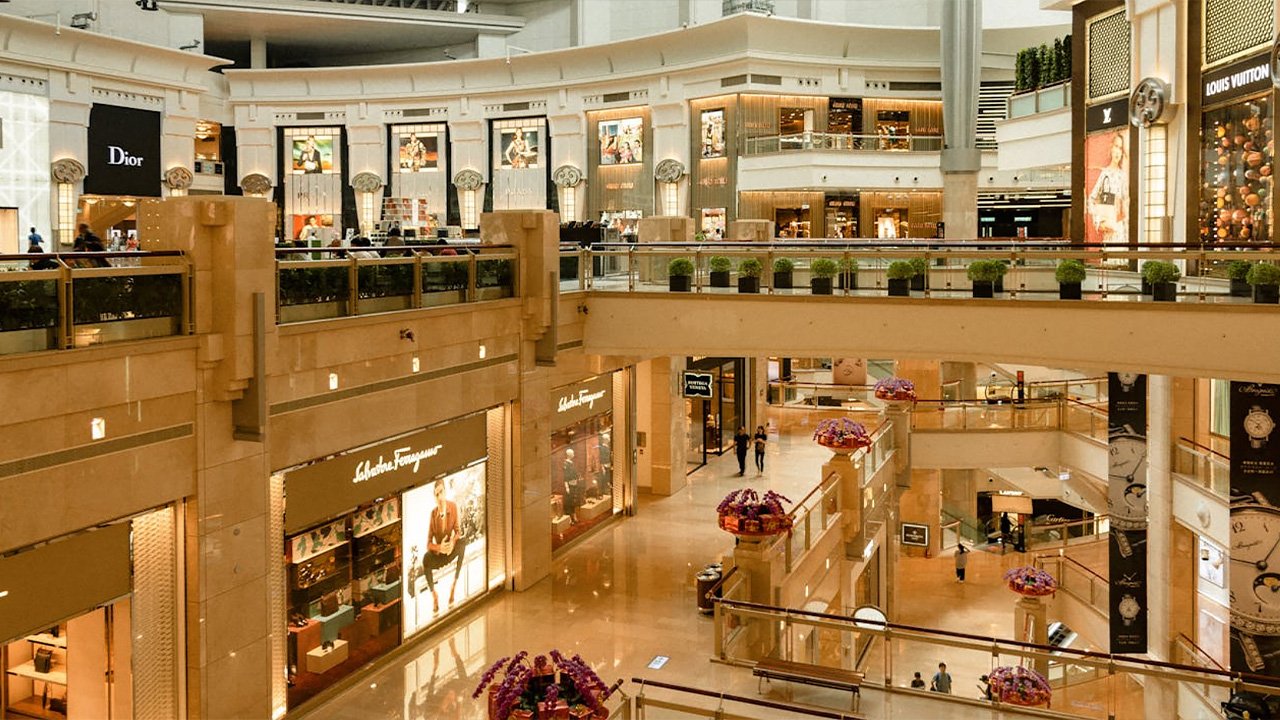
Customers in the high-end luggage and handbag market place great importance on the texture of the materials themselves when shopping. For example, the materials used in leather bags can be classified into top-grain full-grain cowhide, top-grain split cowhide, split cowhide, recycled cowhide, as well as other materials such as sheepskin and crocodile leather, all of which have their own grading systems. If your project is aiming to enter the high-end market, you must not choose lower-grade materials due to cost considerations or a lack of familiarity with materials, as these mistakes could cause your brand to miss out on the high-end market or lose existing high-end customers.
2: Ignoring durability requirements
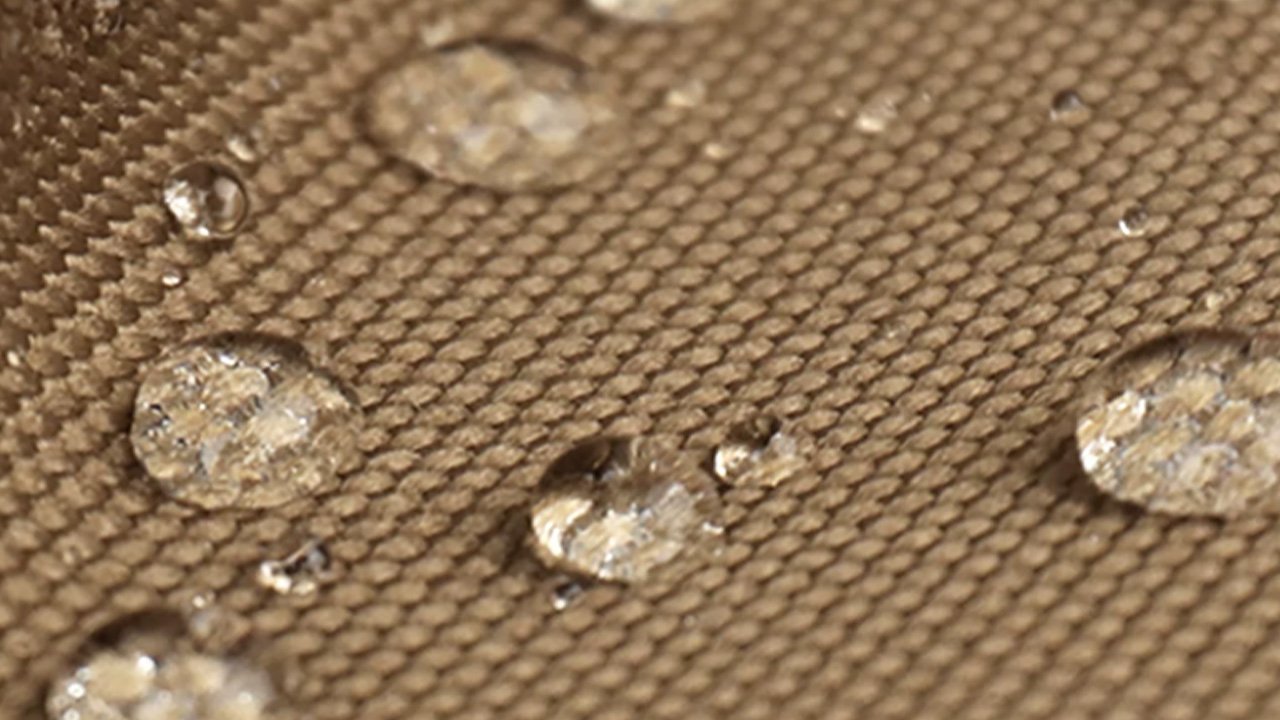
Over the course of our 21 years providing OEM and ODM services, we have seen many bag retailers receive negative reviews and face consumer complaints—and in some severe cases, even go out of business—because they failed to prioritize durability when manufacturing bags due to cost or design considerations. Therefore, if you wish to become a bag retailer in any market, durability must be a priority. This is crucial to the long-term success of your brand (with the exception of luxury goods, where texture and design take precedence over all else).
3: Blindly following trends
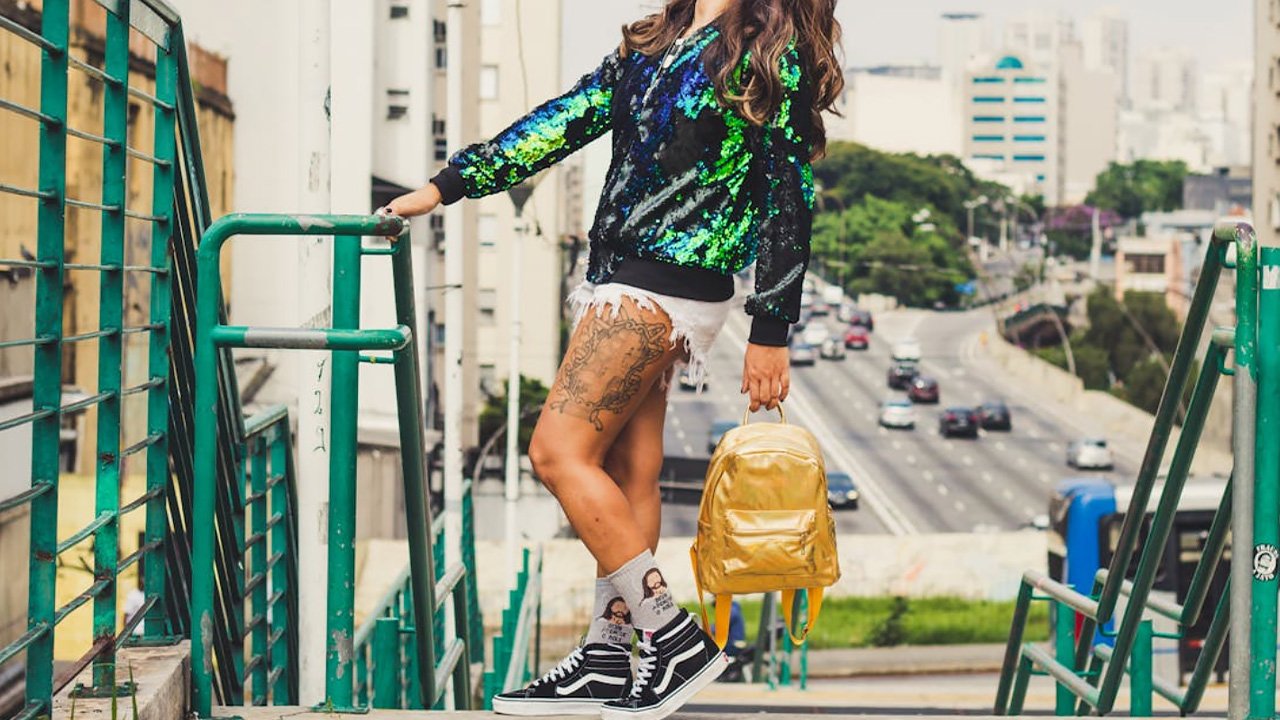
When stocking bags, don’t let yourself be completely swayed by online trends and blindly follow the crowd; styles that become popular overnight often fall out of favor just as quickly. Instead, focus on selecting or designing styles based on a combination of factors, such as those that are steadily gaining traction, historical customer purchase data, celebrity-endorsed styles, and the year’s trending colors.
FAQ
In OEM/ODM customization, how does the choice of materials affect the cost structure of bags?
- Materials account for approximately 30–60% of the cost of bags, with the remainder attributed to manufacturing processes, printing, and transportation.
When purchasing bags in bulk, how can you determine whether the material meets quality standards?
- Make a comprehensive assessment by reviewing the GSM, Daniel coefficient, OEKO-TEX, REACH, and other standard certifications for the materials (taking into account your project’s market), as well as their water resistance, abrasion resistance, and load-bearing capacity.
Is it possible to combine multiple materials in a single bag project?
- Yes. More than 80% of the bags on the market are designed using a combination of multiple materials, which helps strike a balance between performance, cost, and appearance.
How can you determine whether a new material is worth using in a bag project?
- First, you should consider whether the material is being produced on a stable, mass-production basis to avoid supply shortages as your project gains momentum. Next, you should assess whether the material meets the functional requirements of your bag project (such as water resistance, abrasion resistance, and tear resistance).
Why do some high-end brands still insist on using traditional materials?
- Since the integration of brand design and traditional materials has become highly sophisticated, and materials like leather inherently possess historical value, products are more readily accepted by customers when put on the market. Brand owners typically maintain the use of original traditional materials to secure the brand’s basic sales volume, and then conduct small – scale series development and testing to gauge market acceptance.
What are the future trends in bag materials?
- As environmental awareness grows worldwide, sustainable and eco-friendly materials will attract increasing attention in the future. The same applies to high-performance composites, which offer superior performance at a lower cost and with lighter weight (composites have been in high demand since their inception).
Customize or purchase wholesale any bag items at 367 Bags Factory
Based on the insights shared in this article, I believe you now have a general understanding that selecting materials for bag projects shouldn’t be based solely on personal preference. Instead, you should carefully consider a range of factors, including texture, functionality, trends, intended use, and price. 367 Bags Factory can analyze your project requirements and provide comprehensive OEM/ODM services to help your brand continuously improve customer satisfaction and avoid the pitfalls of choosing the wrong materials.